
Bengaluru : HL August 23, 2026
Karnataka has imposed a one-year prohibition on the manufacture, processing, packaging, storage, transportation, distribution and sale of analogue or non-dairy paneer being marketed as “paneer” across the state. The decision has been taken by the Karnataka Food Safety and Drug Administration (FDA) in the interest of public health and consumer protection.
The government notification, issued on August 17, will remain in force until August 17, 2027. Under the order, food businesses have also been directed not to store, supply or use analogue or non-dairy paneer while preparing or manufacturing other food products.
What is Analogue Paneer?
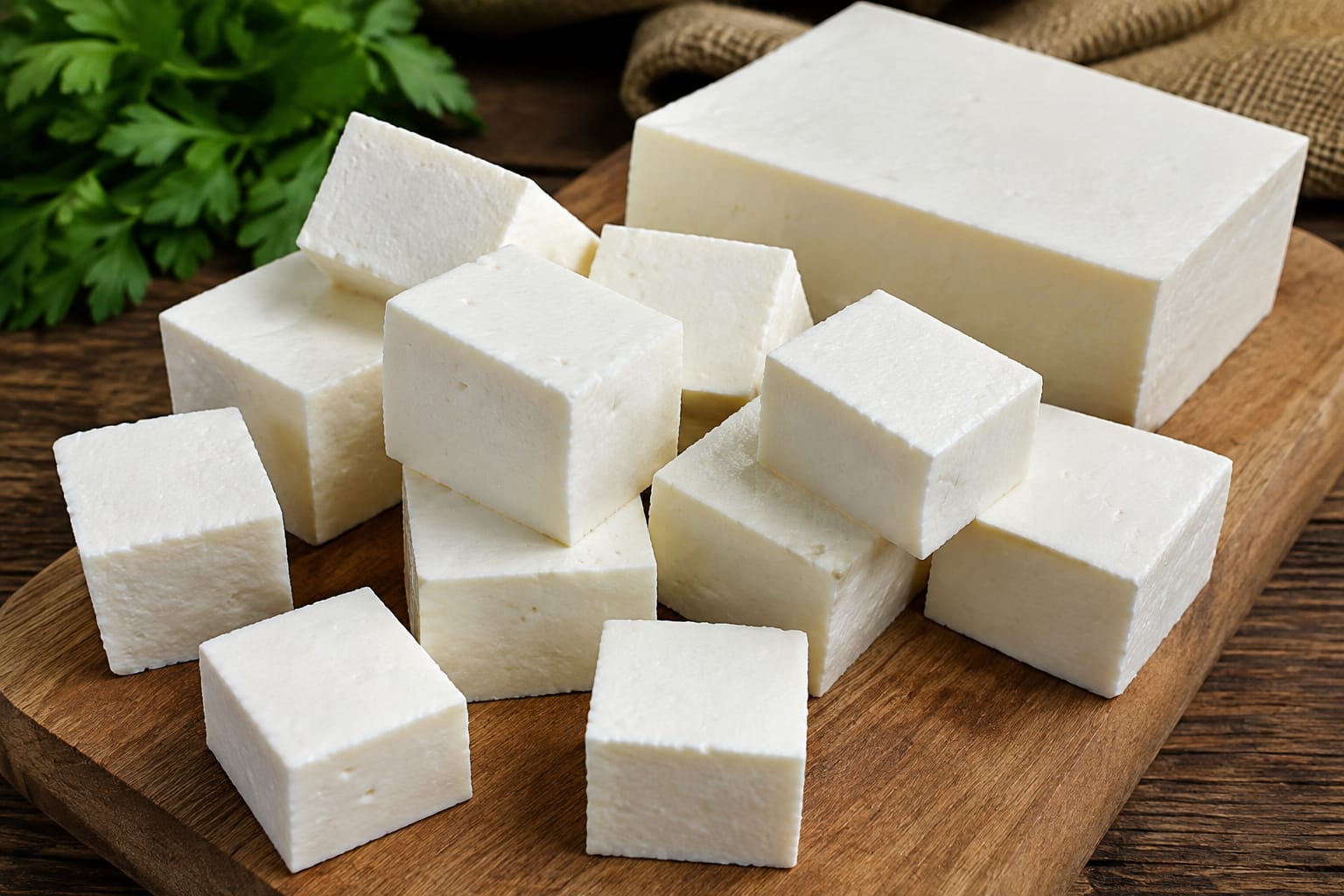
Analogue paneer refers to a product made in the form of paneer in which milk fat or milk solids are wholly or partially replaced with vegetable oil, vegetable fat or other non-dairy ingredients. Such products can therefore differ significantly from traditional dairy paneer.
According to the Karnataka FDA, paneer is a standardised milk-based food product under the Food Safety and Standards (Food Products Standards and Food Additives) Regulations, 2011. The regulations do not permit the replacement of milk components with vegetable oil, vegetable fat or other non-dairy ingredients when the product is represented as paneer.
Ban Covers the Entire Supply Chain
The Karnataka order covers multiple stages of the food supply chain, including manufacturing, processing, packing, storage, transportation, wholesale and retail sale, display for sale and supply.
The move is aimed at ensuring that consumers purchasing a product labelled or sold as paneer actually receive a compliant dairy product rather than a non-dairy substitute. The FDA has also said that enforcement drives will be undertaken across the state to ensure compliance.
Not All Dairy Alternatives Are Covered
The prohibition does not extend to standardised food categories that already have specific regulatory standards. Products such as frozen desserts, processed cheese and mixed-fat spreads are outside the scope of this particular order because they are governed by separate food safety standards.
The distinction is important because the Karnataka order is specifically directed at analogue or non-dairy products being sold or represented as paneer, rather than imposing a blanket prohibition on every food product containing non-dairy ingredients.
Focus on Consumer Protection
The latest action reflects growing regulatory attention on the authenticity and labelling of dairy products. For consumers, the issue is not only the composition of the food but also whether a substitute product is being represented as a standardised food without adequate distinction.
Food businesses in Karnataka will now have to ensure that their sourcing, storage, preparation and sale practices comply with the new prohibition. The FDA has urged food business operators to strictly follow the notification.
Karnataka’s move follows similar regulatory action in other states. Maharashtra, for example, recently imposed a one-year ban on analogue paneer, while other states have also taken steps against the sale of synthetic or non-dairy products as genuine paneer.
What Consumers Should Know
Consumers buying paneer can pay attention to product labelling, packaging and the source of the product. Packaged dairy products should carry the required information under applicable food safety and labelling regulations.
The Karnataka FDA’s action is ultimately intended to strengthen food safety enforcement and ensure that products sold under the name “paneer” meet the applicable standards.
Potential health concerns
Different nutritional value: Traditional paneer is a milk-based food and provides protein, fat and other milk nutrients. An analogue may contain less milk protein and instead use starches, vegetable fats or plant proteins, so its nutritional value can vary substantially.
Higher-fat formulations: Some analogue products use vegetable oils or fats. Depending on the formulation, frequent consumption of high-fat products can contribute substantially to calorie and fat intake.
Saturated/trans-fat concern: The health impact depends on the specific fat used. Products containing hydrogenated fats are particularly concerning because trans fats are associated with increased cardiovascular risk. FSSAI regulations specifically require declaration when hydrogenated vegetable fats containing trans fats are used.
Starches and additives: Analogue paneer can contain starches, emulsifiers, stabilisers and flavouring ingredients to reproduce the texture and taste of paneer. Their presence does not by itself prove that the product is toxic, but consumers should know what they are eating.
Misleading consumers: One of the biggest concerns is when a non-dairy analogue is sold simply as “paneer.” FSSAI requires appropriate disclosure for dairy analogues, including declaration of the non-milk ingredients in applicable products.
Food-safety risk from poor manufacturing: The greatest immediate danger may arise when products are illegally manufactured or adulterated with unsafe chemicals or non-permitted ingredients. Recent enforcement operations have highlighted such concerns, but this should not be confused with every properly labelled analogue product.
Important point
There is not enough evidence to say that every analogue paneer causes disease or is inherently poisonous. The actual risk depends on its ingredients, fat composition, manufacturing hygiene, additives, storage and how frequently it is consumed.
For consumers looking for the traditional nutritional benefits of paneer, genuine milk-based paneer is the more straightforward choice. FSSAI’s standard defines chhana/paneer as a product obtained from milk, with specified milk-based composition requirements.