
New Delhi : August 23, 2026
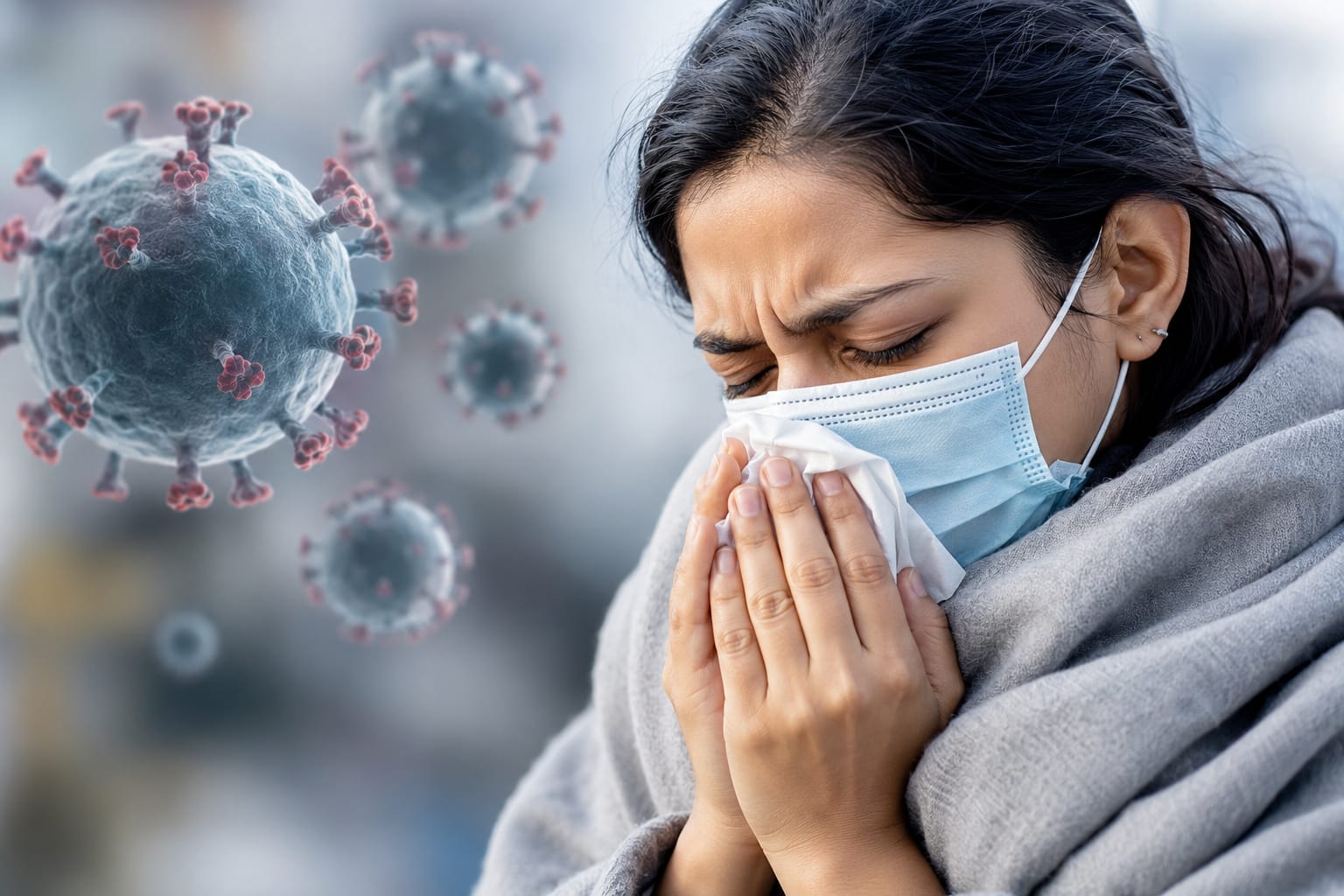
Delhi is witnessing a sharp increase in seasonal influenza infections, with 1,777 H1N1 (swine flu) cases reported so far this year. According to health department data, the capital has recorded 2,392 Influenza-A cases, with H1N1 accounting for nearly three-fourths of them. Overall, including Influenza-B infections, Delhi has reported 2,602 influenza cases this year.
The latest numbers indicate a significant change in the influenza pattern compared with last year. While H3N2 was the dominant strain in 2025, H1N1 has emerged as the major strain in Delhi this year.
114 H1N1 Cases Reported in a Single Day
The pace of infections has accelerated in recent days. On August 20 alone, Delhi reported 159 fresh influenza cases, including 114 H1N1 infections. The cumulative H1N1 count subsequently reached 1,777.
For comparison, only 229 H1N1 cases had been recorded during the corresponding period last year, making this year’s tally more than seven times higher.
Health experts, however, have cautioned against viewing every respiratory infection as H1N1 because symptoms overlap with several other seasonal viruses.
H1N1 Dominates Influenza-A Infections
The breakdown of Delhi’s Influenza-A cases shows the changing virus pattern:
Influenza strain| Cases
H1N1| 1,777
H3| 138
H1| 37
Other Influenza-A strains| 440
Total Influenza-A| 2,392
Total influenza cases, including Influenza-B| 2,602
The figures show that H1N1 accounts for approximately 74% of Influenza-A infections reported in Delhi this year.
Fever Clinics and Isolation Facilities Expanded
Hospitals have begun strengthening arrangements to handle the rising number of patients.
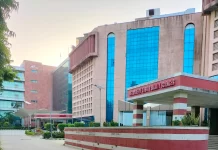
According to the newspaper report, Deen Dayal Upadhyay Hospital has started a fever clinic, while an isolation ward has been prepared with eight beds. At Guru Teg Bahadur Hospital, 10 beds have been reserved for swine flu patients.
The measures are aimed at ensuring that patients with suspected or confirmed influenza can be assessed and treated without putting unnecessary pressure on general hospital wards.
The Delhi government has said that hospitals have adequate beds, doctors, medicines and essential medical equipment, while arrangements are being strengthened according to the evolving requirement.
Focus on Early Detection and Antiviral Treatment
Doctors are stressing the importance of recognising warning signs early. Most uncomplicated influenza infections can be managed without hospitalisation, but pneumonia, breathing difficulty and falling oxygen levels can indicate serious disease.
People should seek medical attention if they develop:
- Severe difficulty in breathing
- Persistent or worsening fever
- Chest discomfort or pain
- Significant weakness or confusion
- Persistent vomiting or inability to maintain hydration
- Falling oxygen saturation
- Symptoms that continue or worsen despite initial treatment
Older adults, young children, pregnant women and people with diabetes, chronic heart or lung disease or weakened immunity may be at greater risk of complications.
Health Department Monitoring ILI and SARI Cases
Delhi’s health authorities are maintaining daily surveillance of influenza, influenza-like illness (ILI) and severe acute respiratory infection (SARI) through the Integrated Disease Surveillance Programme and the Integrated Health Information Platform.
The surveillance system is intended to help authorities identify clusters, monitor the severity of infections and strengthen hospital preparedness when necessary.
Schools and Colleges to Get Awareness Campaign
A public-awareness campaign is being planned for more than 5,500 schools and higher educational institutions across Delhi. The campaign aims to reach approximately 44.91 lakh students with information on preventing influenza transmission and recognising symptoms.
The initiative follows an interdepartmental review involving health and education authorities. Health workers have also received refresher training on influenza case identification, treatment protocols, symptoms and surveillance.
Schools and colleges are expected to receive awareness material covering measures such as respiratory hygiene, handwashing, mask use in crowded settings and maintaining distance from people showing symptoms.
What People Can Do to Prevent Infection
- Wear a mask in crowded or poorly ventilated places, particularly during periods of high transmission.
- Wash hands regularly with soap and water.
- Avoid touching the eyes, nose and mouth with unwashed hands.
- Cover the mouth and nose while coughing or sneezing.
- Avoid close contact with people who have flu-like symptoms.
- Stay home when sick and minimise contact with others.
- Maintain adequate ventilation indoors.
- Do not self-medicate with antibiotics or antiviral medicines.
- Consult a doctor if symptoms are severe, persistent or worsening.
The Delhi Health Department has also issued updated public information on Influenza A(H1N1), with the page updated on August 20, 2026.
No Need for Panic, But Vigilance Is Important
The rise in H1N1 cases is significant, but health experts have advised people not to panic. Seasonal influenza generally remains manageable for most healthy people, while the greatest concern is the development of complications among vulnerable groups.