

New Delhi : HL August 23, 2026
Health challenges change significantly across the life course. While older generations are more likely to face chronic diseases, mobility problems and age-related conditions, younger generations are increasingly dealing with mental-health pressures, sedentary lifestyles, obesity and technology-related behavioural changes.
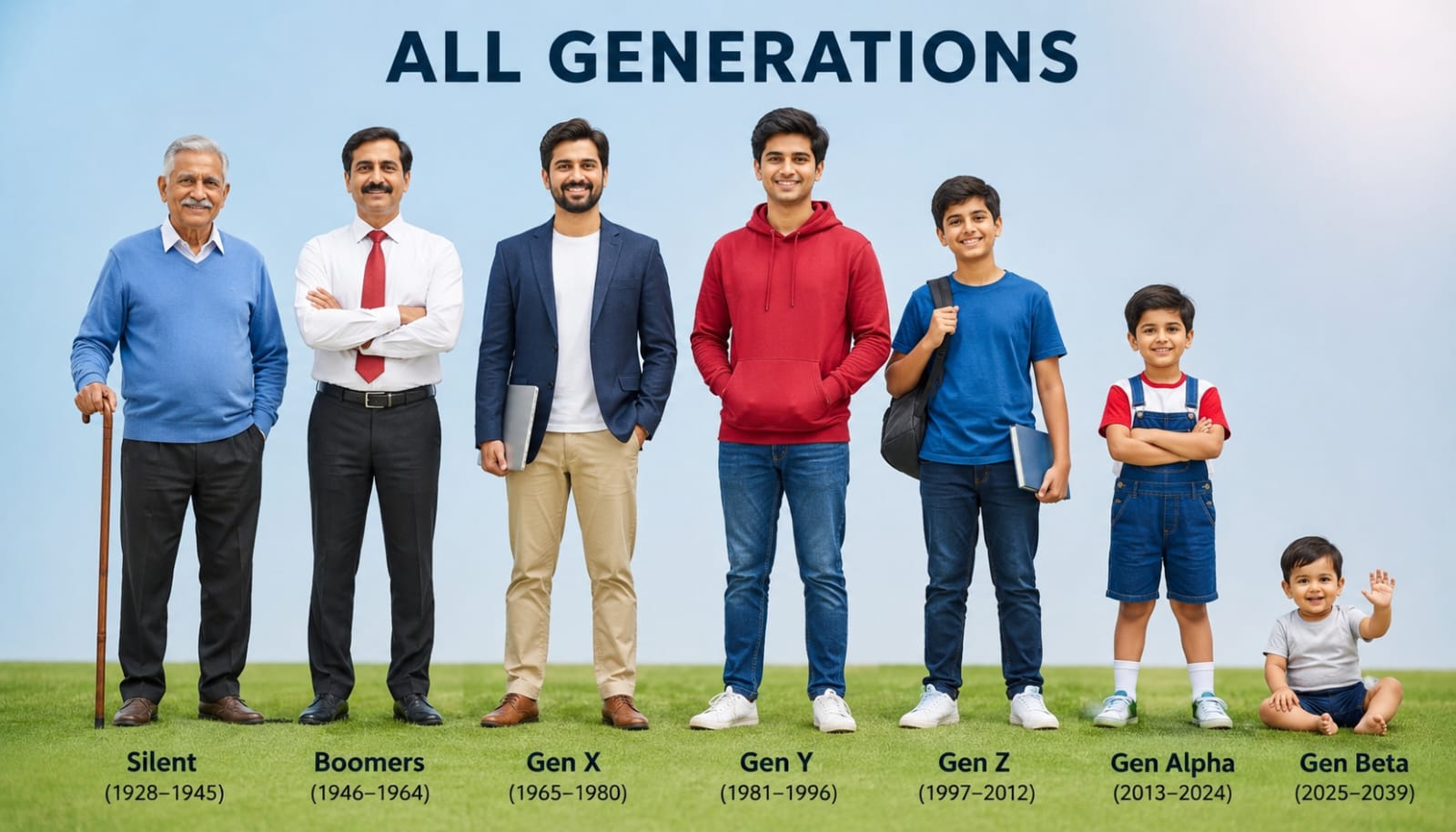
The boundaries used to describe generations—such as Silent Generation, Baby Boomers, Gen X, Millennials, Gen Z, Gen Alpha and Gen Beta—are social classifications rather than medical categories. Individual health risks depend on factors including genetics, lifestyle, environment, income, access to healthcare and previous health conditions.
- Silent Generation: Ageing, Mobility and Cognitive Health
People born in the earlier part of the 20th century are now generally in advanced old age. Their healthcare priorities often include managing multiple chronic conditions and maintaining independence.
Common concerns can include heart disease, diabetes, arthritis, osteoporosis, hearing and vision problems, falls, frailty, depression and dementia. WHO notes that older adults commonly experience conditions such as hearing loss, cataracts, osteoarthritis, diabetes, depression and dementia, while falls and frailty can become important geriatric concerns.
Regular medical reviews, appropriate physical activity, balanced nutrition, vaccination, medication management and social connection can play an important role in healthy ageing.
- Baby Boomers: Chronic Disease and Preventive Healthcare
Baby Boomers are now predominantly in their 60s and older. For this generation, prevention and effective management of chronic diseases are particularly important.
High blood pressure, cardiovascular disease, diabetes, cancer, obesity, joint problems and respiratory illnesses can become significant health concerns. Risk factors such as tobacco use, unhealthy diets, physical inactivity and harmful alcohol use contribute to several major noncommunicable diseases.
Maintaining an active lifestyle and undergoing age-appropriate health screenings can help identify problems earlier.
- Gen X: The Midlife Health Check
Gen X is moving through middle age, making this a crucial period for preventing future health problems.
Long working hours, stress, insufficient exercise, poor sleep, unhealthy eating and prolonged sitting can contribute to high blood pressure, obesity, diabetes, heart disease and mental-health difficulties.
This generation can benefit from treating midlife as an opportunity for prevention rather than waiting until symptoms become serious. WHO says physical inactivity increases the risk of several noncommunicable diseases, while regular activity is associated with better cardiovascular, metabolic and mental health.
- Millennials: Stress, Lifestyle and Metabolic Health
Millennials are now largely in their late 20s to mid-40s. Although many remain relatively young, modern work and lifestyle patterns can create significant health risks.
Work-related stress, anxiety, sleep problems, sedentary behaviour, weight gain and poor dietary habits can affect this generation. Increasing obesity across the global population is also a concern; WHO reports that adult obesity has more than doubled worldwide since 1990.
For Millennials, establishing sustainable habits around exercise, sleep, nutrition and preventive healthcare may reduce health risks later in life.
- Gen Z: Mental Health Takes Centre Stage
For Gen Z, mental health is an especially important area of concern.
Academic pressure, employment uncertainty, social comparison, cyberbullying, online exposure and changing social relationships can contribute to anxiety, depression, stress, sleep difficulties and other mental-health challenges.
WHO estimates that one in seven people aged 10–19 globally experiences a mental-health condition, with depression, anxiety and behavioural disorders among the leading causes of illness and disability in this age group.
At the same time, physical health should not be overlooked. Low physical activity, unhealthy diets and obesity can establish risk factors for chronic diseases at an early age.
- Gen Alpha: Childhood Health in a Digital Environment
Gen Alpha includes children growing up with smartphones, tablets, streaming platforms, online education and artificial intelligence as part of everyday life.
Their health challenges can include childhood obesity, insufficient physical activity, sleep disruption, poor dietary habits, emotional difficulties and excessive sedentary time.
WHO recommends healthy eating, adequate physical activity and healthy sleep habits during childhood, while limiting sedentary behaviour and excessive screen exposure can also be important.
Parents, schools and healthcare professionals therefore have an important role in creating balanced routines rather than focusing only on academic performance or technology skills.
- Gen Beta: A Generation Still Growing Up
Gen Beta is a newer generational label generally applied to children born from 2025 onward. Because this generation is only beginning to emerge, it is too early to identify its definitive health profile.
However, children born into an increasingly digital and technologically advanced environment may face familiar childhood concerns such as nutrition, physical inactivity and mental well-being, alongside emerging issues associated with technology and changing environments.
It is important not to present predictions about Gen Beta as established medical facts. Their health outcomes will depend heavily on future living conditions, healthcare, nutrition, technology use, climate and social environments.
One Common Thread: Prevention Matters at Every Age
Although the health concerns differ from generation to generation, many risk factors overlap.
WHO identifies tobacco use, physical inactivity, unhealthy diets, harmful alcohol use and air pollution among important contributors to noncommunicable disease risk. Such diseases affect people across age groups rather than being limited to older adults.
Physical activity is particularly valuable throughout life. Regular activity is associated with improved physical and mental health in children, adults and older adults, while inactivity is linked to increased health risks.
There is no single definition of a “healthy generation.” The Silent Generation may need greater attention to mobility, dementia and multiple chronic conditions; Boomers may focus on preventive care and chronic disease management; Gen X and Millennials face important midlife lifestyle risks; Gen Z is confronting a growing mental-health conversation; and Gen Alpha is growing up amid unprecedented digital exposure.