

New Delhi: HL September 02, 2026
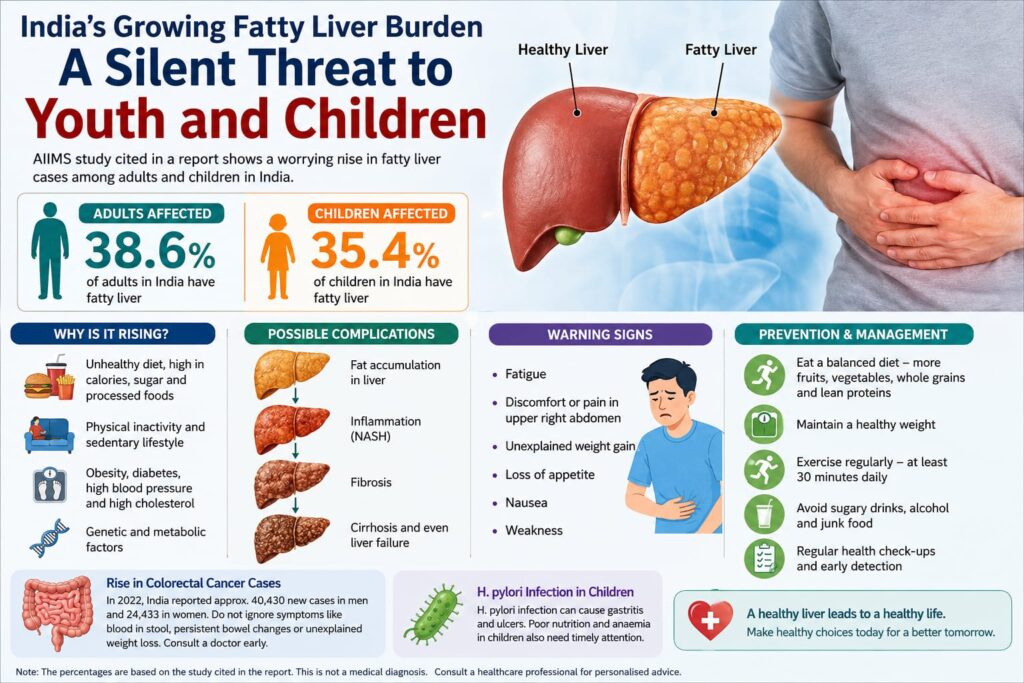
Changing lifestyles and dietary patterns are increasingly being linked to a rising burden of digestive and metabolic disorders in India. According to an AIIMS study, around 38.6% of adults and 35.4% of children in India are affected by fatty liver.
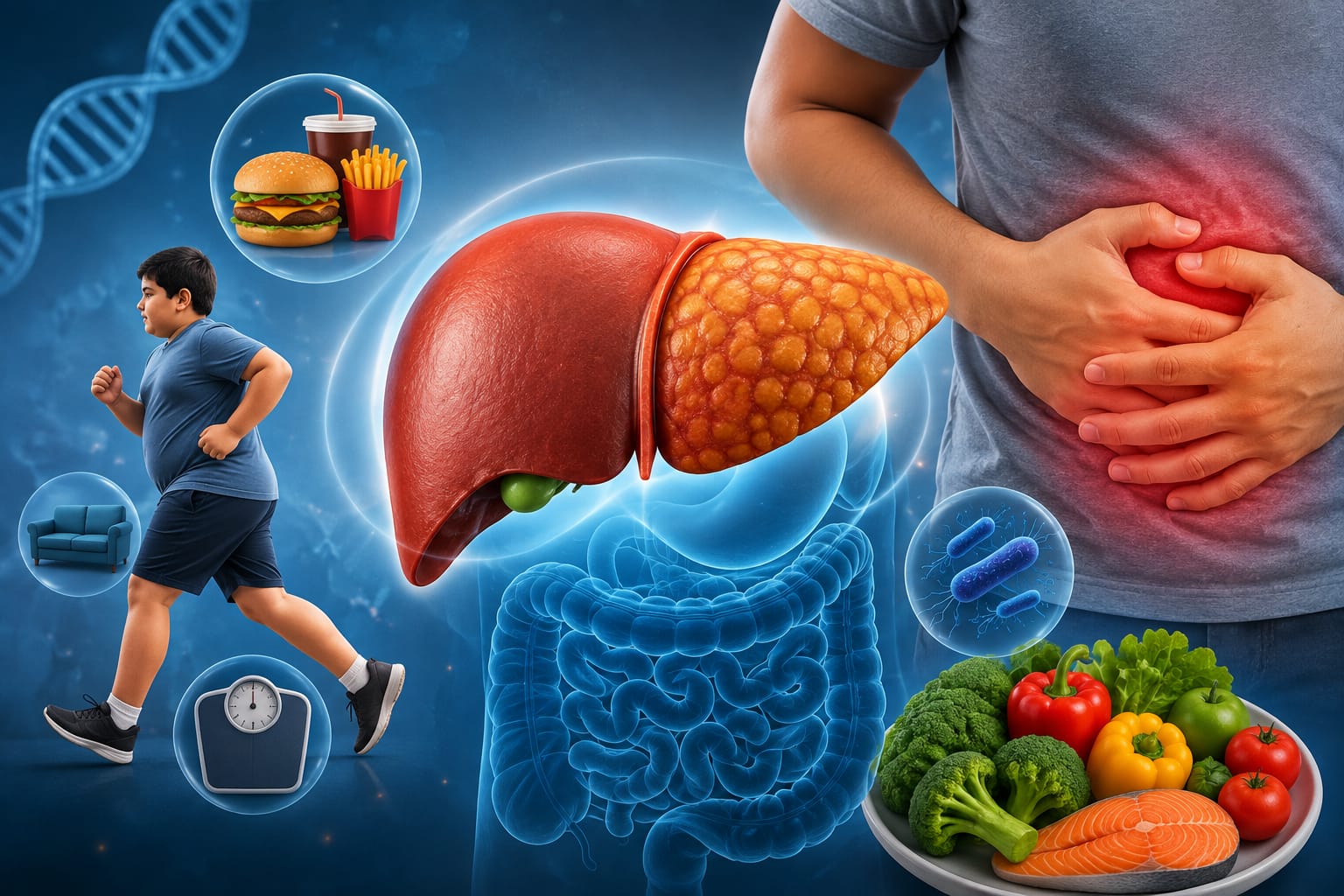
fatty liver is no longer viewed only as a condition associated with older adults. Younger people and children can also develop excess fat accumulation in the liver, particularly in the presence of obesity, unhealthy dietary patterns and metabolic disorders.
What is fatty liver?
Fatty liver occurs when excessive fat accumulates in liver cells. In its early stages, it may produce few or no noticeable symptoms, meaning many people discover the condition during routine medical investigations.
In some individuals, persistent liver fat accumulation can be associated with inflammation and progressive liver damage, potentially leading to fibrosis or cirrhosis. However, progression varies considerably from person to person.
Why are young people increasingly at risk?
Experts commonly associate fatty liver with factors such as:
Overweight and obesity
Physical inactivity
High-calorie diets
Excessive consumption of sugary drinks and processed foods
Type-2 diabetes and insulin resistance
High blood pressure and abnormal cholesterol levels
For children and adolescents, reduced physical activity and increasing sedentary time can further contribute to metabolic risk.
Fatty Liver and Diabetes: A Strong Metabolic Connection
The report highlights the relationship between fatty liver and metabolic conditions such as diabetes, obesity and high blood pressure.
People with type-2 diabetes are at increased risk of developing fatty liver. Conversely, the presence of fatty liver can also be an important marker of broader metabolic health problems.
This makes regular monitoring of blood sugar, weight, blood pressure and cholesterol particularly important for people at higher risk.
Colorectal Cancer Among Younger People Raises Another Concern
The report also highlights concerns about colorectal cancer, particularly the emergence of cases among younger adults.
It cites 2022 figures of approximately 40,430 new colorectal cancer cases among men and 24,433 among women in India.
Warning signs that should not be routinely dismissed include:
Blood in the stool
Persistent constipation or diarrhoea
A sustained change in bowel habits
Unexplained weight loss
Persistent abdominal discomfort
These symptoms can occur because of many non-cancerous conditions as well. However, persistent or unexplained symptoms warrant medical evaluation.
H. pylori and Nutritional Problems in Children
The report also draws attention to Helicobacter pylori (H. pylori) infection among children.
H. pylori is a bacterium that can infect the stomach and is associated with gastritis and peptic ulcers in some people. Persistent infection may require medical evaluation and appropriate treatment.
The report further highlights concerns surrounding childhood anaemia, nutritional deficiencies and other gastrointestinal problems.
Prevention Starts With Lifestyle
Reducing metabolic risk requires long-term lifestyle changes rather than quick fixes.
Key measures include:
Encourage regular physical activity and exercise.
Limit sugary drinks and highly processed foods.
Eat a balanced diet rich in vegetables, fruits, whole grains and adequate protein.
Maintain a healthy body weight.
Monitor blood sugar, blood pressure and cholesterol when appropriate.
Encourage children to participate in regular outdoor activities.
Seek medical advice for persistent digestive symptoms or unexplained changes in weight.
A Growing Gastroenterology Challenge for India
The increasing prevalence of metabolic and digestive disorders underscores the importance of preventive healthcare and early diagnosis. Greater awareness among families, schools and healthcare providers could help identify high-risk individuals earlier and encourage healthier lifestyles.
Editorial note: The percentages and disease figures above are based on the study and statistics. They should not be interpreted as a diagnosis for any individual. Fatty liver should be confirmed through appropriate clinical assessment and investigations recommended by a healthcare professional.