

LUDHIANA: HL OCTOBER 21, 2026
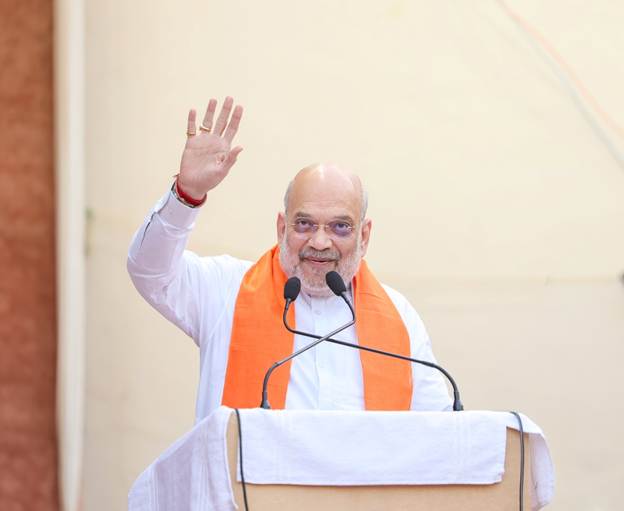
Union Home Minister and Minister of Cooperation Amit Shah participated in the Vijayadashami celebrations in Ludhiana, Punjab, where he symbolically burnt an effigy representing ‘Chitta’, a street term commonly associated with heroin and other illicit opioid mixtures in Punjab.
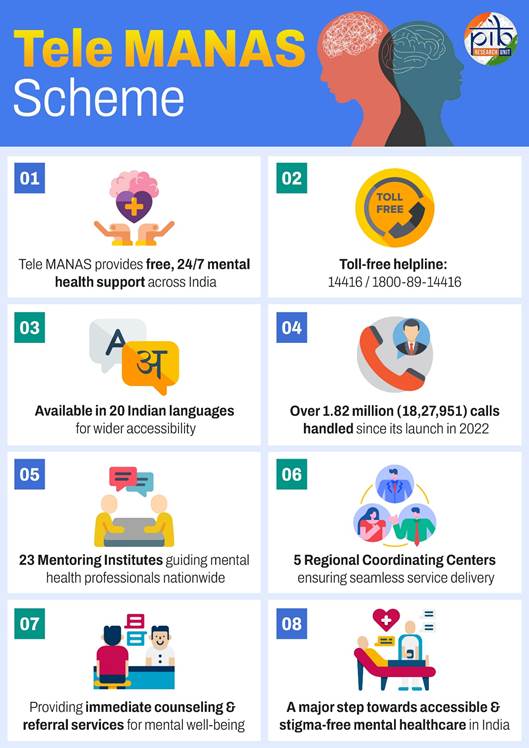
Using the occasion’s message of the victory of good over evil, Shah called for a determined campaign against drug trafficking and substance abuse. He announced a resolve to make Punjab free from the drug trade by December 31, 2029, and appealed to residents to share information about narcotics-related activities through the Narcotics Control Bureau’s toll-free helpline.
This year, the symbolic burning of the effigy of ‘Chitta’ added a public-awareness message to the traditional festival, highlighting the social consequences of drug abuse and the need to combat narcotics trafficking.
Amit Shah Meets Families Affected by Drug-Related Deaths
During his visit, the Home Minister said he had met families at three locations in Punjab who had lost their sons in the fight against drugs.
Shah described the relatives’ grief, tears and unanswered questions as deeply distressing. He called for accountability and justice for the families.
According to his address, the Punjab government had transferred the investigation into one murder case to the Central Bureau of Investigation (CBI). He urged the state government to hand over the investigations into two other murders to the central agency as well.
Shah expressed confidence that the investigations would help bring those responsible to justice, regardless of their influence or position. The allegations and responsibility in these cases, however, must be established through the relevant investigations and legal proceedings.
December 31, 2029: Target for a Drug-Free Punjab
Making a pledge on Vijayadashami, Amit Shah declared that the government would work towards freeing Punjab from the drug trade by December 31, 2029.
The Home Minister cited the abrogation of Articles 370 and 35A, action against terrorism and the government’s campaign against Naxalism as examples of commitments he said had been fulfilled. He added that eliminating the drug menace would be another major priority.
What Is Chitta? Understanding the Drug Behind Punjab’s Crisis
‘Chitta’ is a commonly used street name in Punjab for heroin or illicit opioid substances sold as heroin. The term is not a precise chemical classification, and the composition, strength and purity of substances sold under this name can vary.
Heroin is an opioid drug derived from morphine, which is obtained from the opium poppy. Illicit heroin is produced through chemical processing and is distributed through illegal supply networks. Street-level products may contain unknown adulterants or other psychoactive substances, making their effects unpredictable.
Not every substance sold as Chitta is necessarily chemically identical. Therefore, it is important not to assume that all street samples have the same ingredients or potency.
How Is Heroin Made?
Heroin is manufactured illegally by chemically processing morphine extracted from opium. The process involves controlled chemical reactions and purification steps that can produce diacetylmorphine, the compound commonly known as heroin.
The drug is then distributed through illegal trafficking networks. Street products may be diluted or mixed with other substances, and their composition is often unknown to the person consuming them.
Chitta is not a safe or standardised pharmaceutical product. Because its purity and ingredients can be uncertain, even a small quantity may pose serious health risks.
How Does Chitta Affect the Human Body?
Chitta-associated heroin use can affect the brain, breathing, heart function and overall physical and mental health.
Addiction and dependence: Opioids act on receptors in the brain involved in pain, reward and breathing. Repeated use can lead to dependence and opioid use disorder, making it difficult to stop without support.
Respiratory depression: Heroin can slow or stop breathing. An overdose can cause unconsciousness, brain injury or death, particularly when the drug is mixed with alcohol, sedatives or other opioids.
Withdrawal symptoms: People who become physically dependent may experience muscle aches, sweating, diarrhoea, vomiting, anxiety, restlessness and intense cravings when they stop or reduce use.
Mental and emotional effects: Addiction may disrupt sleep, concentration, decision-making and emotional well-being. It can also strain relationships, education, employment and family life.
Infections and other complications: Injecting drugs with shared or contaminated equipment increases the risk of HIV, hepatitis B and hepatitis C. Contaminated products and unsafe injection practices can also cause serious infections.
Financial and social consequences: Dependence can lead to mounting expenses, loss of employment, family conflict, social isolation and vulnerability to exploitation or criminal networks.
Drug dependence is a treatable health condition. People experiencing opioid addiction can benefit from medically supervised treatment, including opioid agonist treatment where appropriate, psychological support, rehabilitation and continued follow-up.
- An effective response requires coordinated action against traffickers, accessible addiction treatment, prevention programmes, community participation, employment opportunities and long-term support for people in recovery.