
New Delhi: HL November 17, 2026
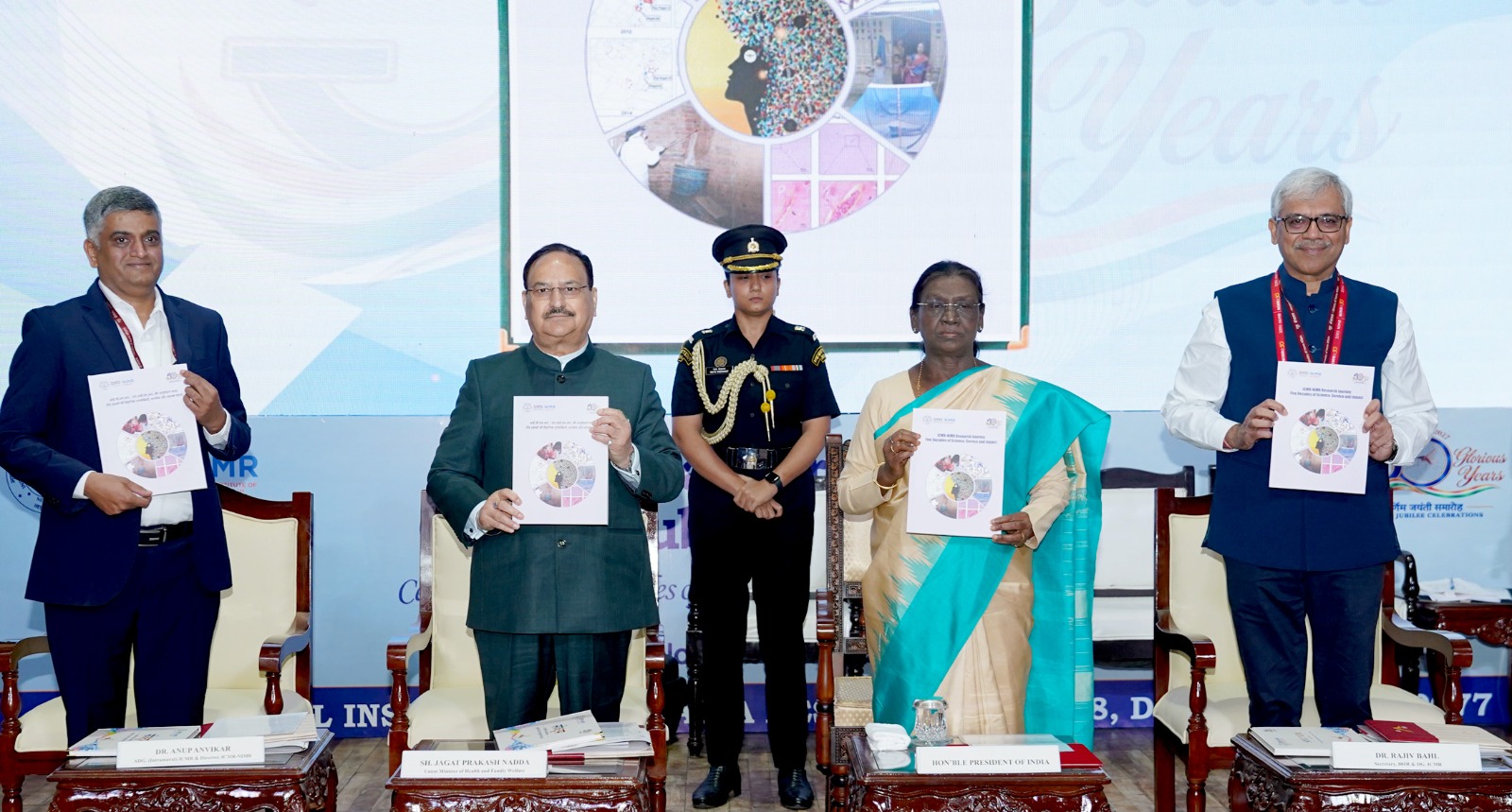
President of India Droupadi Murmu on Tuesday inaugurated the year-long Golden Jubilee celebrations of the Indian Council of Medical Research–National Institute of Malaria Research (ICMR-NIMR) in New Delhi, highlighting India’s significant progress in malaria control and calling for sustained research, innovation and community participation to achieve malaria elimination.
Addressing the gathering, the President said India had recorded nearly an 80 per cent decline in malaria cases and deaths between 2015 and 2025. She noted that the country had made remarkable progress through improved healthcare services, modern diagnostic techniques, effective medicines, mosquito-control campaigns and active community participation.
Highlighting India’s international progress, President Murmu noted that the country moved out of the World Health Organization’s ‘High Burden to High Impact’ category in 2024. She credited public health programmes, scientists, healthcare workers and citizens for this achievement.
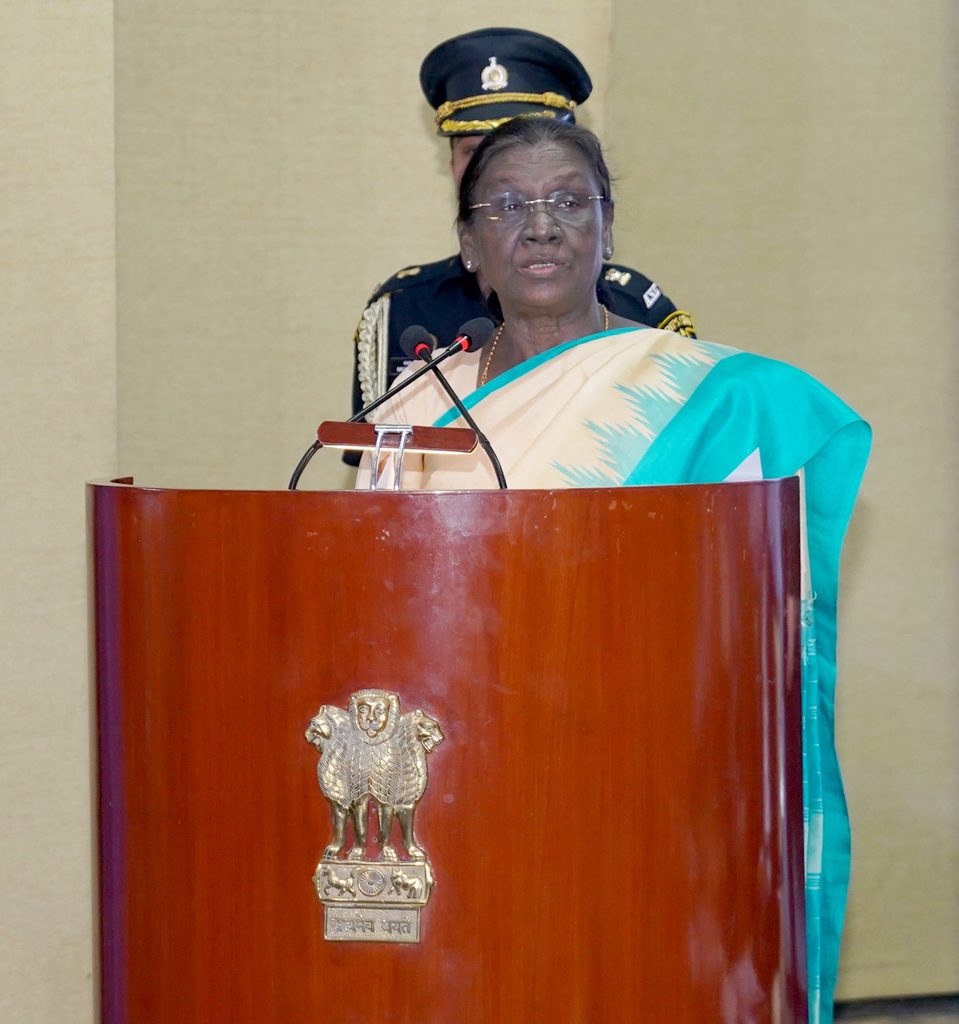
The President Droupadi Murmu also emphasised emerging challenges, including climate change, unplanned urbanisation and increasing insecticide resistance among mosquitoes. She stressed that malaria prevention requires more than medical intervention, calling for measures to prevent water stagnation, eliminate mosquito-breeding sites and improve environmental management.
Referring to dengue as another growing public health concern, she cautioned that global warming and changing monsoon patterns could make vector-borne diseases more challenging in the coming years. She highlighted ICMR’s contribution to research on tuberculosis, leprosy and kala-azar, as well as its role in establishing a nationwide COVID-19 testing network and supporting the development of India’s first indigenous COVID-19 vaccine.
The President said the Golden Jubilee was an opportunity not only to celebrate five decades of scientific achievements but also to set ambitious goals for the future. Emphasising the vision of Viksit Bharat by 2047, she called for stronger collaboration among research institutions, universities, technical institutions and industry.
She also stressed that scientific research must reach every village and every community where it is needed.
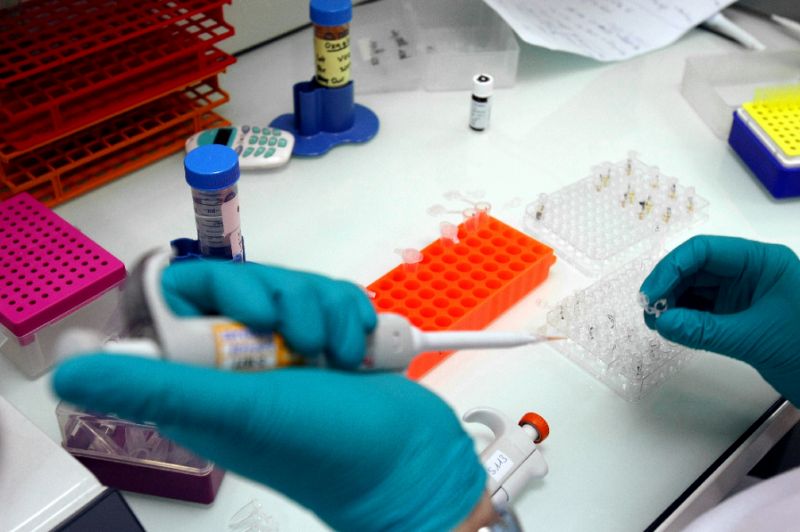
The ICMR-National Institute of Malaria Research has played a pivotal role over the past five decades through pioneering research on malaria parasites, mosquito vectors, vector control, insecticide resistance and community-based surveillance.
The President expressed confidence that ICMR and its affiliated institutions would continue contributing to India’s health-related goals through research, collaboration and innovation.
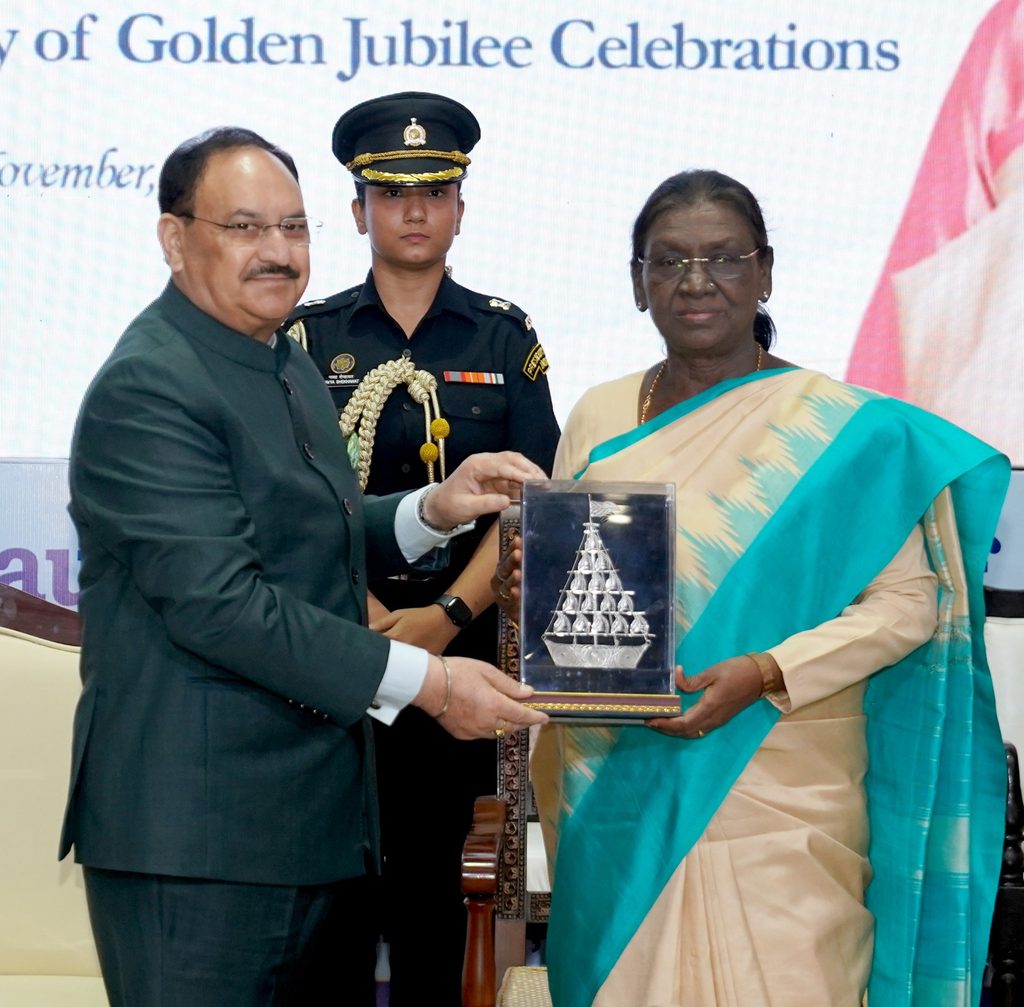
Union Health Minister J.P. Nadda called for intensified efforts to achieve malaria elimination by 2030. He highlighted the progress in reducing the number of malaria high-burden districts from 155 to 33 and underscored the importance of scientific research and innovation in making healthcare affordable and accessible.