
New Delhi: HL November 19, 2026
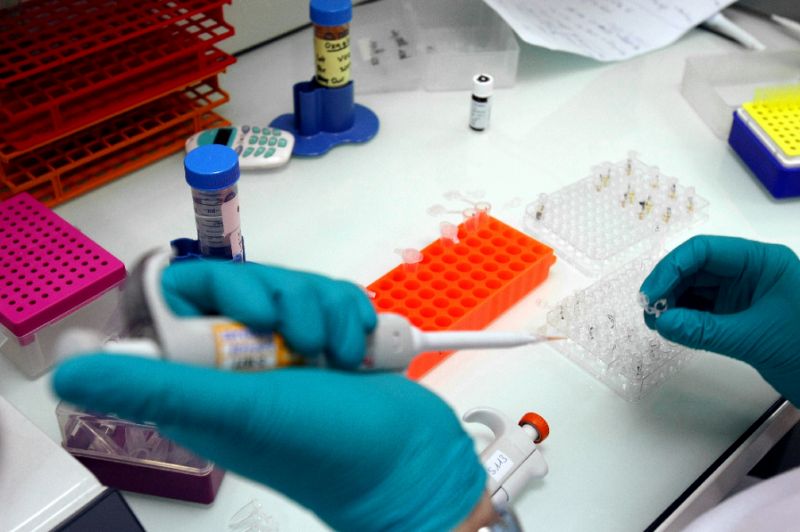
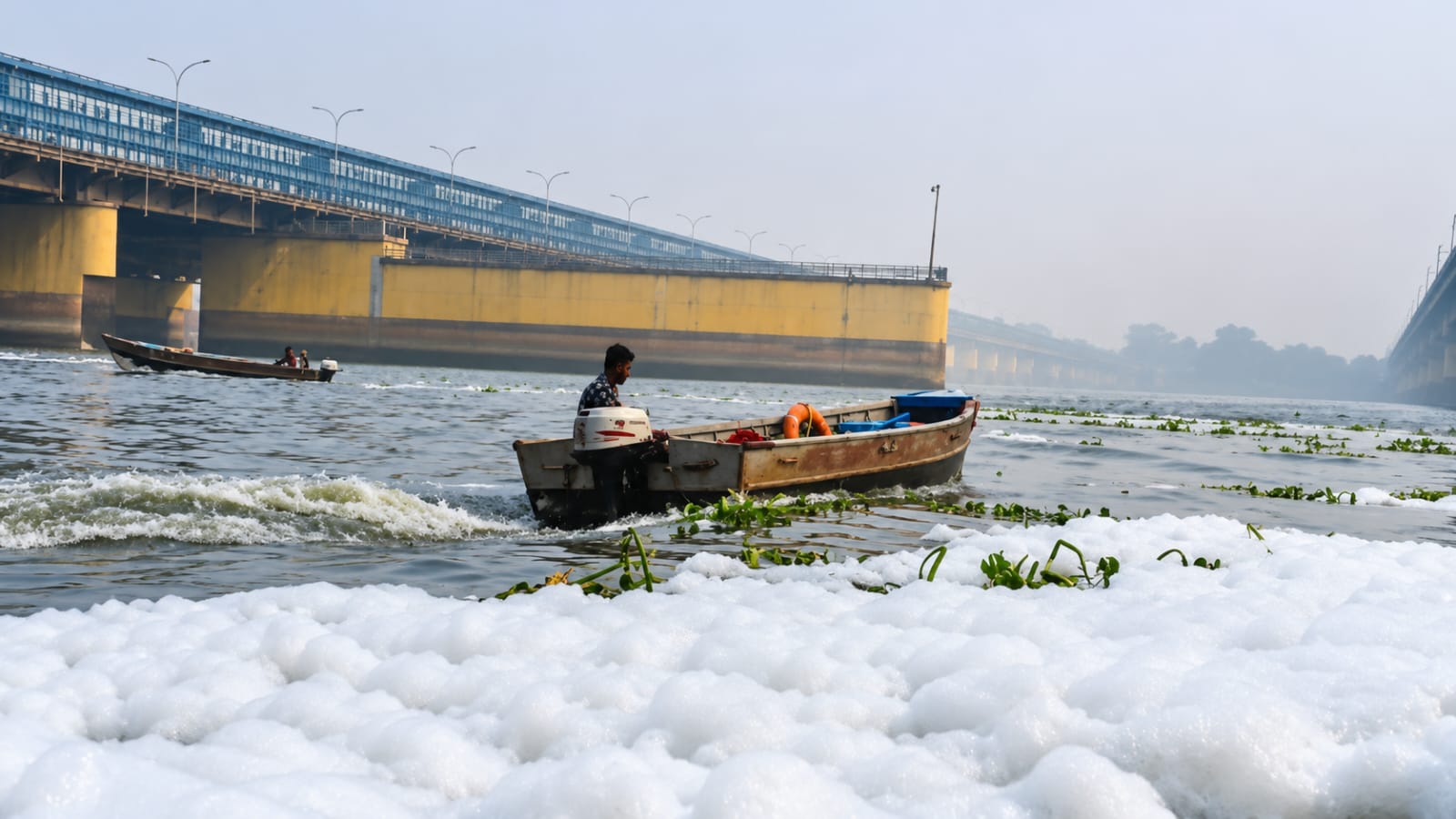
The pollution crisis in the Yamuna River may be far more serious than its visible accumulation of plastic waste and froth suggests. A study conducted by researchers from the University of Delhi has identified 321 different types of chemicals in river water, including potentially hazardous substances associated with pesticides, pharmaceutical products, industrial waste and microplastic contamination.
The findings raise concerns about the growing chemical burden on one of India’s most important rivers, particularly in the Delhi region, where untreated sewage, agricultural runoff and industrial discharge continue to contribute to water pollution.
The research highlights how the Yamuna is increasingly exposed to a complex mixture of pollutants that may threaten aquatic ecosystems, environmental health and potentially human health through different exposure pathways.
2,289 Microplastic Particles Found in River Water
As part of the research, scientists examined approximately 48.8 kilometres of the Yamuna, covering the stretch from Palla to Asgarpur. The investigation included eight sampling locations representing different land-use patterns, including agricultural, residential, industrial, forest and recreational areas.
Researchers detected a total of 2,289 microplastic particles, equivalent to an average concentration of approximately 3.18 particles per litre of water.
The analysis identified polyethylene as the most prevalent polymer, accounting for 44.1 per cent of the detected microplastics. Polypropylene represented another 27.3 per cent, making these two plastic types the dominant contributors to microplastic contamination.
These findings indicate that plastic pollution in the river is not limited to visible waste. Microscopic plastic particles are also circulating through the water system.
321 Chemicals Detected, Including Potentially Hazardous Substances
One of the most concerning aspects of the study was the identification of 321 different chemical compounds in the Yamuna water samples.
According to the reported findings, 36 of these chemicals fall into categories considered particularly hazardous under international health and environmental standards.
Such substances may be associated with serious environmental concerns, including toxicity to aquatic organisms, reproductive health effects and other adverse biological impacts.
The researchers also examined chemicals associated with microplastic particles. Fifty chemicals were identified in samples separated from the microplastics, with 36 reported to have been detected at four or more sampling locations.
The findings suggest that microplastics may serve as carriers of different chemical contaminants in the aquatic environment.
Seven Chemicals Found Across All Eight Sampling Locations
The study identified seven chemicals that were present at all eight sampling locations, indicating widespread contamination across the investigated stretch.
These included:
- 2-Naphthylamine
- Lidocaine
- Monobutyl phthalate
- Other pharmaceutical and industrial chemical residues
The investigation also reported the presence of pharmaceutical compounds such as atomoxetine, domperidone and telmisartan, along with other substances.
The detection of these compounds points towards the possible contribution of pharmaceutical waste and other human activities to the river’s chemical contamination.
22 Drains Discharging Wastewater Into the Yamuna
The study also draws attention to the role of untreated and partially treated wastewater entering the river.
According to the findings highlighted in the report, 22 drains discharge sewage, agricultural wastewater and industrial waste into the Yamuna.
These drainage channels can introduce a mixture of pollutants, including organic waste, chemical residues and other contaminants, directly into the river.
The researchers observed that pollution levels were particularly concerning around barrage locations and downstream areas where drains meet the river.
In comparison, agricultural and forest stretches showed relatively lower contamination in the reported analysis.
Barrage Areas Among the Most Polluted Locations
The study indicates that the areas around barrages and downstream drainage points face a particularly heavy pollution burden.
The accumulation of pollutants in these locations highlights the need for better monitoring of wastewater entering the river.
Researchers have also cautioned that the findings represent an initial assessment. Further detailed investigations are necessary to establish the precise concentrations of individual chemicals and understand their long-term effects on aquatic organisms and the wider ecosystem.
Experts Call for Stronger River Protection Measures
The research underlines the need to address pollution at its source rather than focusing exclusively on cleaning visible waste from the river.
Prof. Radheshyam Sharma, associated with the Department of Environmental Studies at the University of Delhi and identified as a principal researcher and co-author, has emphasised strengthening the river’s natural purification capacity.
The recommendations highlighted alongside the study include increasing green cover along riverbanks, planting trees and developing stricter policies to prevent plastic waste and toxic chemical pollutants from entering the river.
A comprehensive strategy involving effective sewage treatment, industrial discharge monitoring, agricultural pollution control and regular chemical surveillance will be essential to improve the health of the Yamuna.
Why the Findings Matter
The study highlights an important shift in understanding river pollution. The problem is no longer restricted to plastic bottles, garbage and visible foam. The presence of microscopic plastic particles, pharmaceutical residues and potentially hazardous chemicals indicates a much more complicated environmental challenge.
While further research is required to establish the actual health risks and exposure levels, the findings reinforce the urgency of preventing untreated wastewater and chemical contaminants from entering the Yamuna.
Cleaning the river will require more than surface-level interventions. Controlling pollution at its source and protecting the river’s ecological system must become central priorities.