
New Delhi: HL July 25, 2026
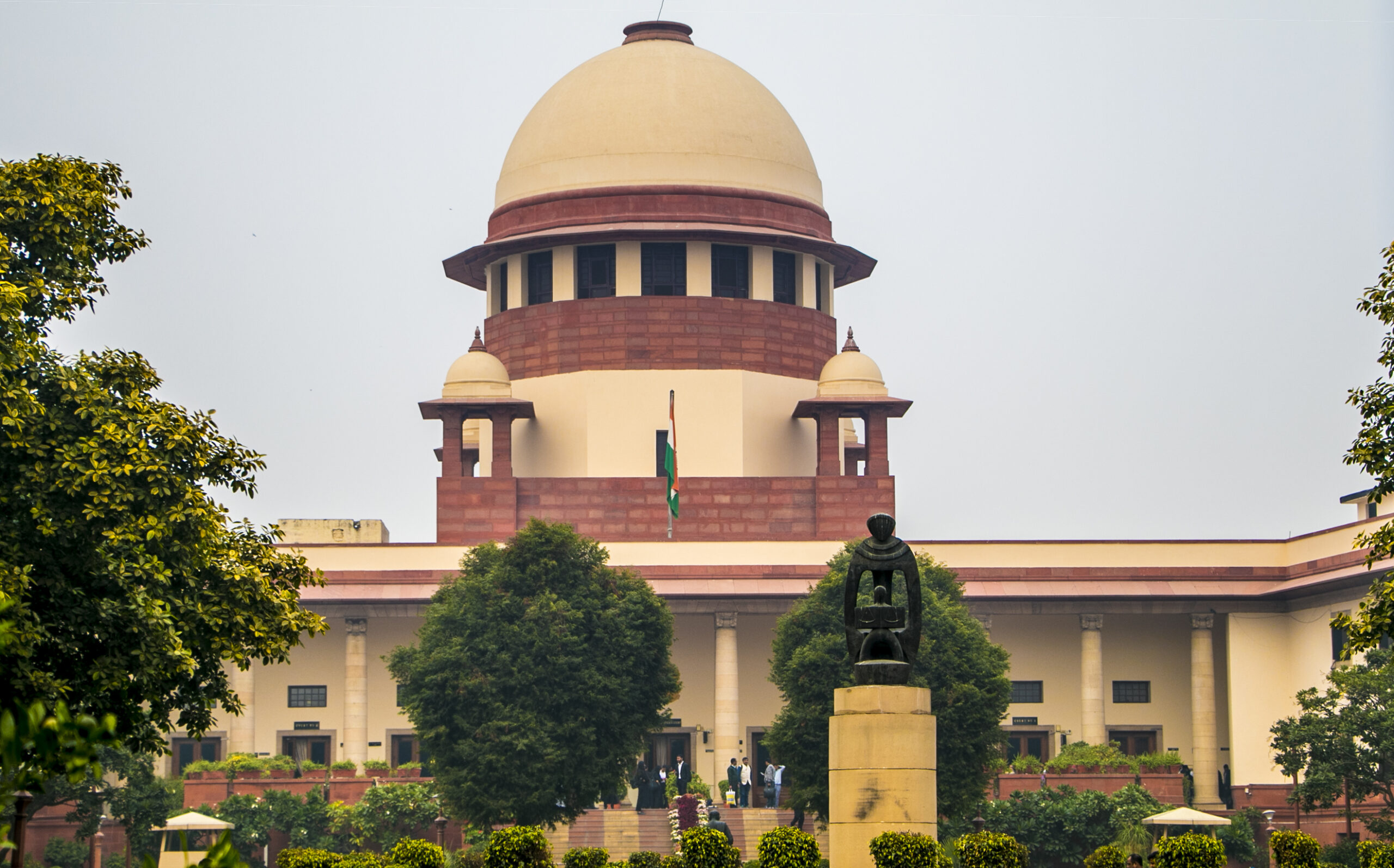
In a significant step towards restoring confidence in India’s medical entrance examination system, the Supreme Court has directed the Central Government and the National Testing Agency (NTA) to place on record a comprehensive roadmap for institutional reforms aimed at preventing future NEET paper leaks and examination irregularities.
A Bench of Justices P.S. Narasimha and Alok Aradhe observed that recurring controversies surrounding NEET cannot be addressed through temporary or ad hoc measures. The Court said it would closely monitor the reform process and, if required, go the “extra mile” to ensure the examination system becomes transparent, credible and resistant to malpractice.
During the hearing, the Court directed the Centre to file a detailed affidavit explaining the progress made in implementing reforms, including recommendations of the K. Radhakrishnan Committee, and the timeline for their execution. The Bench emphasised that reforms should become permanent institutional safeguards rather than one-time responses to crises.
The Supreme Court also sought clarity on the government’s proposal to gradually introduce Computer-Based Testing (CBT) for NEET. However, the judges observed that merely shifting to an online format would not automatically eliminate the possibility of paper leaks or other forms of malpractice. They stressed the need for a robust cybersecurity framework, secure digital infrastructure, strict accountability mechanisms and comprehensive risk management before implementing such a transition.
Appearing for the Centre, Solicitor General Tushar Mehta informed the Court that the government has already initiated several corrective measures and is implementing reforms beyond the recommendations of the expert committee. He assured the Bench that the Centre is taking extensive steps to strengthen the integrity of the examination process and prevent future leaks.
The Court indicated that it would continue monitoring the implementation of reforms throughout the year to ensure accountability and timely execution. The objective, the Bench observed, is to establish a secure, transparent and reliable examination ecosystem that restores the confidence of students and parents across the country.
Key Proposed Reforms
- Institutional implementation of the K. Radhakrishnan Committee recommendations.
- Detailed reform roadmap through a government affidavit.
- Phased introduction of Computer-Based Testing (CBT), subject to adequate safeguards.
- Strong cybersecurity and digital security measures.
- Permanent anti-paper leak mechanisms instead of temporary solutions.
- Continuous Supreme Court oversight to monitor implementation and ensure accountability.