
New Delhi: August 17, 2026
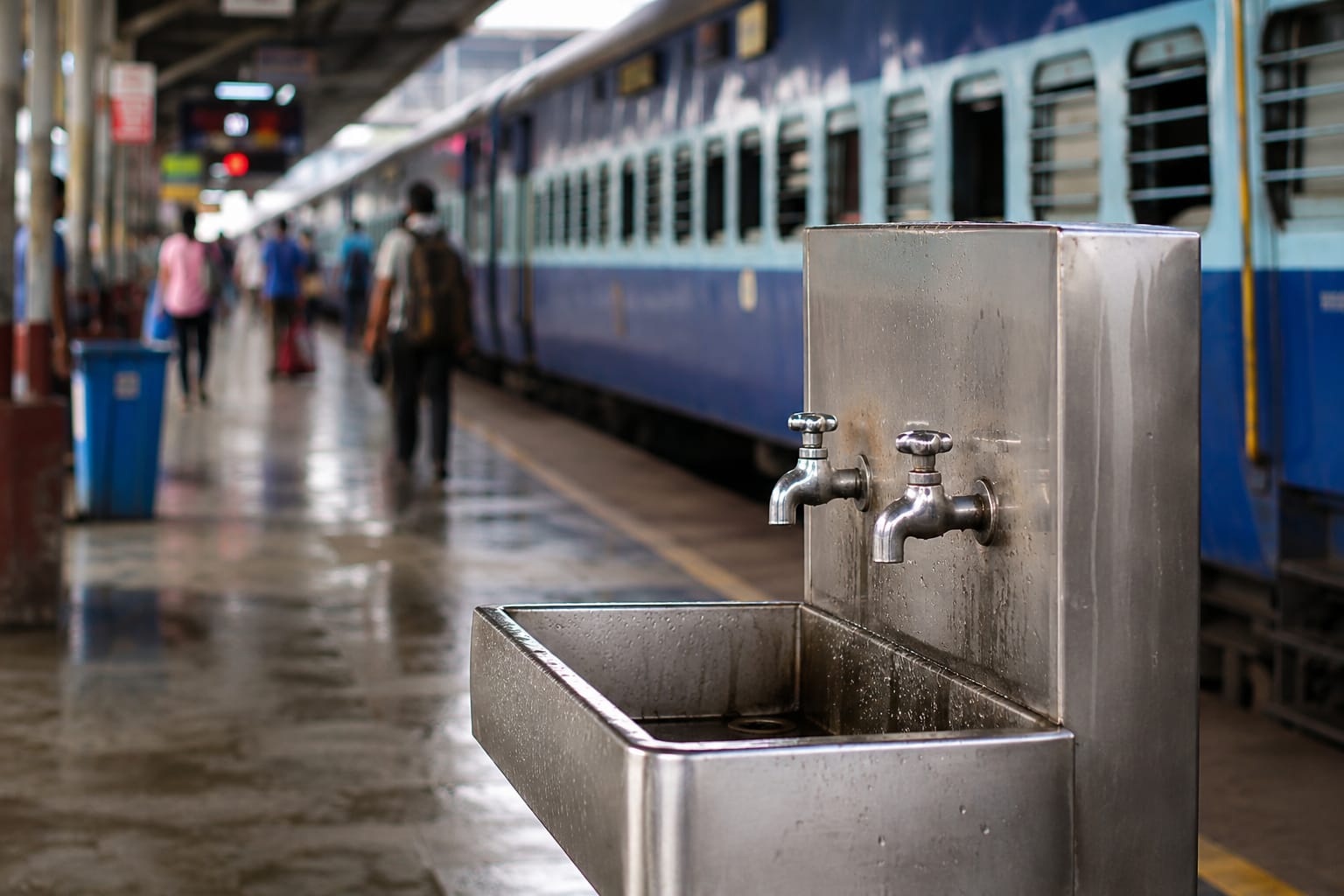
A recent CAG audit has raised concerns over drinking-water safety at Indian railway stations after E. coli bacteria was detected in water-cooler samples at eight stations across four railway zones. The findings highlight the need for regular water-quality testing, proper sanitation and maintenance of railway drinking-water infrastructure.
8 Railway Stations Where E. coli Was Detected
Railway Station| Railway Zone
Coimbatore Junction| Southern Railway
Palakkad Junction| Southern Railway
Hyderabad| South Central Railway
Chhatrapati Shivaji Maharaj Terminus (CSMT)| Central Railway
Bhiwandi Road| Central Railway
Kalyan| Central Railway
Lonavala| Central Railway
Madhupur| Eastern Railway
The CAG audit covered 512 non-suburban railway stations. It found that bacteriological analysis of drinking water had not been carried out at 59 stations across six railway zones. The audit also reported the presence of total coliform bacteria, including E. coli, in drinking-water samples collected from taps at several stations.
What Does E. coli in Drinking Water Mean?
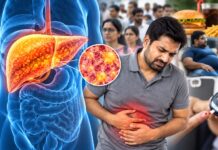
E. coli normally lives in the intestines of humans and animals. While many strains are harmless, detecting E. coli in drinking water can indicate possible faecal contamination and the potential presence of other disease-causing microorganisms.
According to drinking-water safety guidelines cited in the report, E. coli should not be detectable in a 100 ml sample of water intended for human consumption. Detection should lead to investigation and corrective action.
How Can Railway Water Become Contaminated?
Water contamination can occur at several stages between the source and the passenger. Possible causes include:
- Poorly maintained water tanks
- Leaking or damaged pipelines
- Inadequate cleaning and disinfection
- Faulty sanitation systems
- Contamination during transportation or storage
- Sewage leaks or cross-connections with wastewater systems
This means that simply treating the original water source is not enough. The entire water-supply chain needs regular inspection and maintenance.
What Health Problems Can Contaminated Water Cause?
Depending on the strain involved, E. coli infection can cause:
- Diarrhoea
- Abdominal cramps
- Vomiting
- Fever in some cases
Certain strains can cause more serious illness, including bloody diarrhoea and, in severe cases, haemolytic uraemic syndrome (HUS), which can affect kidney function.
However, finding E. coli in a water sample does not mean that every passenger who consumed that water became infected, nor does the finding itself establish an outbreak among railway passengers.
What Should Indian Railways Do?
The findings underline the importance of:
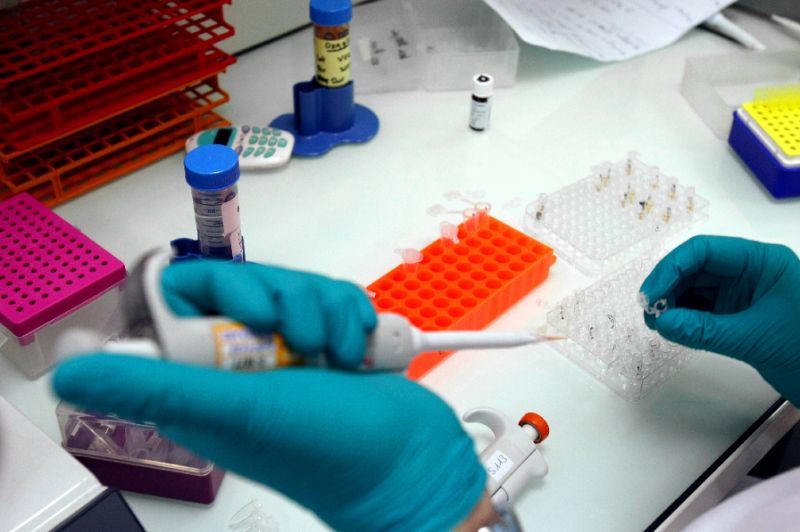
Regular microbiological testing: Drinking water should be tested according to prescribed protocols.
Water-tank maintenance: Tanks, pipelines and water coolers should be regularly cleaned and disinfected.
Immediate action: Any positive E. coli result should trigger an investigation and corrective measures.
Better monitoring: Testing schedules and cleaning activities should be properly documented.
The CAG has recommended compliance with prescribed inspection protocols and comprehensive testing of drinking water.
What Should Passengers Do?
Passengers do not need to panic, but basic precautions are advisable. Where possible, travellers can carry sealed drinking water or use a reliable safe-water source. They should avoid questionable taps or visibly unclean drinking-water facilities.
If the safety of water is uncertain, using safe water for drinking, taking medicines and brushing teeth is advisable. Maintaining hand hygiene and consuming properly cooked food can also reduce the risk of gastrointestinal infections.
A Public Health Warning, Not a Cause for Panic
The detection of E. coli in water-cooler samples at eight railway stations is a water-safety concern, not evidence of a nationwide E. coli outbreak. But with millions of passengers relying on railway facilities every day, safe drinking water must remain a basic public-health priority.
The CAG findings reinforce a simple principle: test the water regularly, maintain the infrastructure and take immediate action whenever contamination is detected.