
New Delhi: HL August 24, 2026
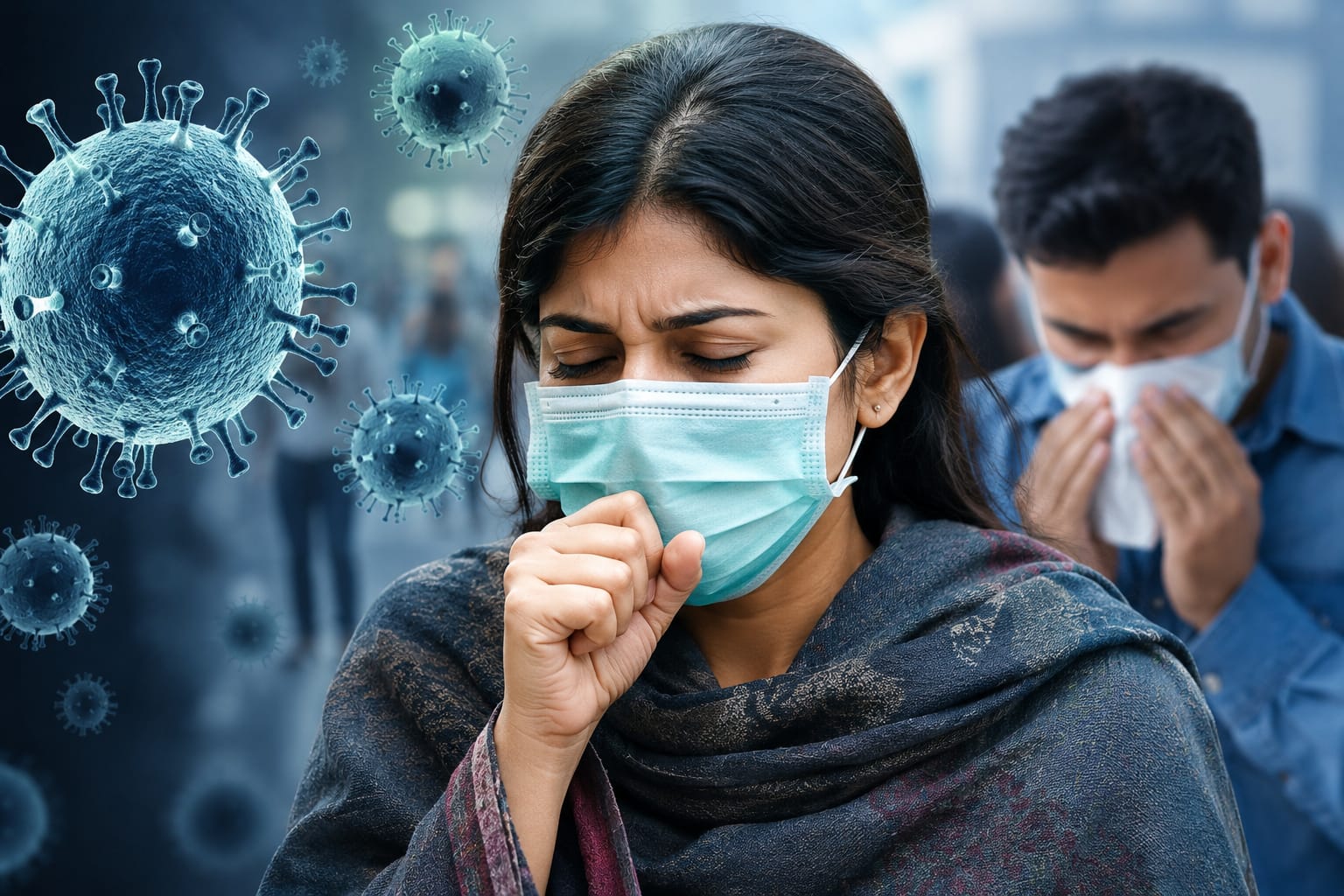
Delhi is witnessing a sharp rise in seasonal influenza, with swine flu (H1N1) cases crossing the 2,000-mark this year. Health experts, however, say there is no evidence of a new or more dangerous H1N1 strain emerging in the Capital.
The Indian Council of Medical Research (ICMR) has said the infections are being driven by an H1N1 virus strain already circulating in the country. According to the assessment cited in media reports, the predominant strain is A/Missouri/11/2025 (H1N1) pdm09-like virus, which has been in circulation since 2025.
No new strain detected
The ICMR has clarified that the increase in cases should not automatically be interpreted as the emergence of a new influenza strain. The circulating viruses are reportedly well matched with influenza strains recommended for seasonal vaccination.
Experts have also pointed out that respiratory infections caused by seasonal influenza have remained high in recent weeks, although the numbers are showing signs of slowing.
September could bring another rise
While the current situation is not being described as an outbreak caused by a novel virus, health specialists have advised continued vigilance. Seasonal influenza activity can fluctuate, and infections may rise again during the coming weeks.
Doctors have particularly urged older adults, young children, pregnant women and people living with chronic illnesses or weakened immunity to take extra precautions.
What are the symptoms?
Common symptoms of influenza include:
- Fever and chills
- Cough and sore throat
- Headache and body ache
- Weakness and fatigue
- Runny or blocked nose
- In some cases, breathing difficulty or worsening of an existing illness
Most otherwise healthy people recover with adequate rest, fluids and appropriate medical care. However, severe symptoms can develop in high-risk individuals.
When should medical help be sought?
People should seek medical attention if they experience significant breathing difficulty, persistent chest pain, severe weakness, worsening symptoms after several days, or fever that does not respond to treatment.
Doctors have also advised against unnecessarily taking antibiotics, as influenza is caused by a virus and antibiotics do not treat viral infections unless a bacterial infection is also diagnosed.
Experts stress prevention over panic
Health specialists say the rise in H1N1 cases calls for awareness rather than panic. Maintaining hand hygiene, avoiding close contact when unwell, wearing a mask in crowded settings when appropriate and staying home while symptomatic can help reduce transmission.
Delhi health authorities have also reviewed influenza-like illness and severe acute respiratory infection trends and preparedness at healthcare facilities.
Vaccination remains important
The World Health Organization recommends seasonal influenza vaccines based on the strains expected to circulate in different regions. Vaccination is particularly relevant for people at higher risk of complications.
The latest situation therefore highlights the importance of surveillance and preventive healthcare, while the ICMR’s assessment provides reassurance that the current rise in Delhi is not linked to a newly emerged H1N1 strain.