
By Ekta Purohit / New Delhi: November 08, 2026
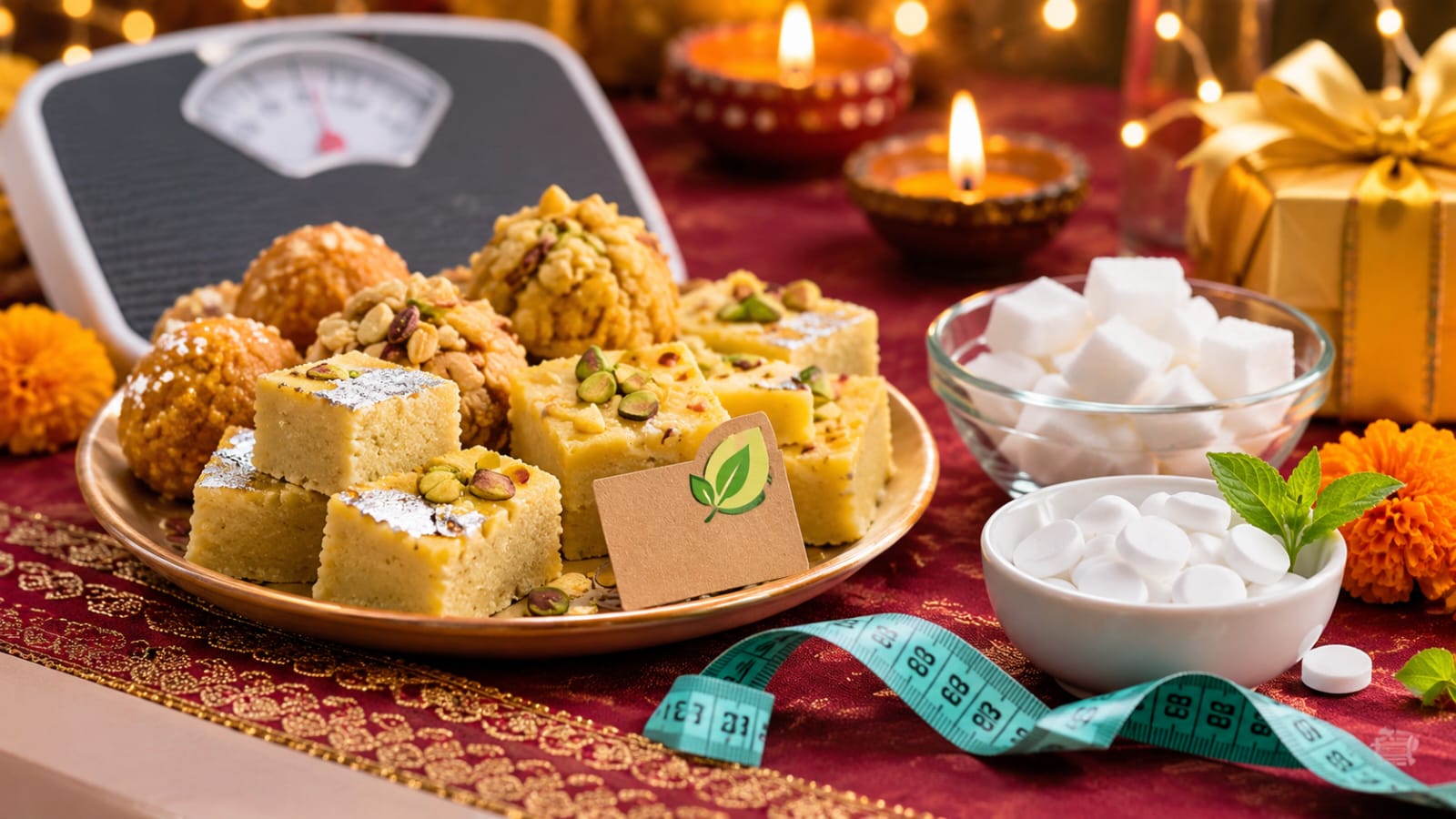
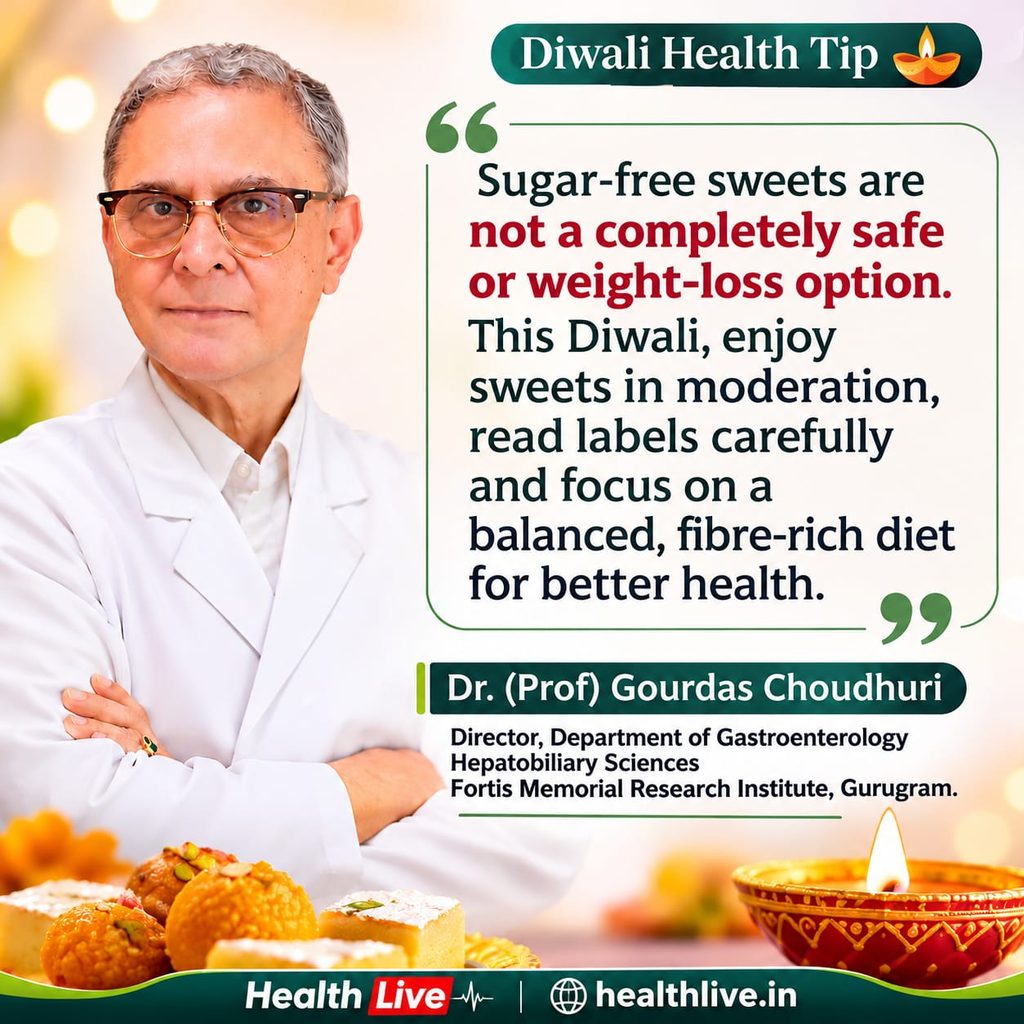
Sugar-free does not necessarily mean calorie-free, healthy or weight-loss friendly. As Diwali celebrations bring sweets and festive treats to the table, Dr. (Prof.) Gourdas Choudhuri, Director, Department of Gastroenterology & Hepatobiliary Sciences, Fortis, Gurugram, explains why sugar-free sweets and artificial sweeteners may not always be the healthier alternative they are perceived to be.
He highlights the importance of looking beyond sugar-free labels and making informed food choices during the festive season.
Diwali is synonymous with sweets, chocolates, mithai and festive indulgence. With growing health awareness, many people are switching to sugar-free sweets and artificial sweeteners, believing they are a safer alternative to regular sugar and an effective way to control weight.
However, the reality may be more complicated. Replacing sugar with artificial sweeteners does not automatically guarantee weight loss or better metabolic health.
Once considered a healthier alternative to refined sugar, artificial sweeteners are now widely used in diet drinks, sugar-free sweets, juices, pastries and packaged foods. Evidence suggests that prolonged consumption may be associated with an increased risk of type 2 diabetes, cardiovascular diseases and other health complications.
Some studies also suggest that certain artificial sweeteners may alter the gut microbiome, potentially affecting metabolic health. Possible concerns include digestive disturbances and changes in glucose regulation. Cyclamate, an artificial sweetener banned in the United States, has also faced safety concerns.
Health experts recommend limiting excessive sweetness in the diet and choosing minimally processed foods rather than relying on sugar-free products for weight loss. Natural sweeteners such as honey, jaggery and coconut sugar also contain calories and should be consumed in moderation.
WHO Raises Questions Over Artificial Sweeteners
The World Health Organization (WHO), in its May 2023 guideline, advised against using non-sugar sweeteners as a long-term strategy for weight management or reducing the risk of non-communicable diseases.
The recommendation was based on evidence showing no clear long-term benefit in reducing body fat. The WHO also highlighted possible associations between prolonged use and health risks, although the evidence was not sufficient to establish cause and effect.
Importantly, this recommendation is not a declaration that all approved artificial sweeteners are unsafe. Their safety limits are assessed separately by food-safety authorities.
Why Sugar-Free Sweets May Not Help You Lose Weight
There are several reasons why choosing sugar-free mithai may not necessarily support weight management:
- Calories still matter: Sugar-free sweets can contain substantial amounts of ghee, cream, nuts and fats.
- Portion sizes can increase: People may eat more because they believe sugar-free products are guilt-free.
- Not all sweeteners are calorie-free: Ingredients such as honey, dates, jaggery and certain sugar alcohols can contribute calories.
- Metabolic health: Replacing sugar with non-sugar sweeteners does not automatically improve overall dietary quality.
The WHO also distinguishes between non-sugar sweeteners and sugar alcohols such as sorbitol and xylitol, which are not covered by the same recommendation.
Natural Does Not Always Mean Healthy
Switching to honey, agave syrup, coconut sugar or jaggery may sound healthier, but these alternatives still contribute sugars and calories. They should not be consumed without moderation.
How to Celebrate a Healthier Diwali
- Practising portion control rather than overeating sugar-free sweets.
- Choosing freshly prepared sweets in moderate quantities.
- Limiting highly processed desserts.
- Avoiding excessive consumption of both regular and sugar-free products.
- Maintaining physical activity and a balanced diet during festivities.
People with diabetes should remember that sugar-free does not necessarily mean carbohydrate-free. They should check nutritional labels and follow their doctor’s dietary advice.
This Diwali, don’t fall for the assumption that sugar-free automatically means healthy or weight-loss friendly. Whether a sweet contains regular sugar, artificial sweeteners or natural alternatives, its overall nutritional composition and quantity matter.