
By Sandeep /New Delhi: November 16, 2026
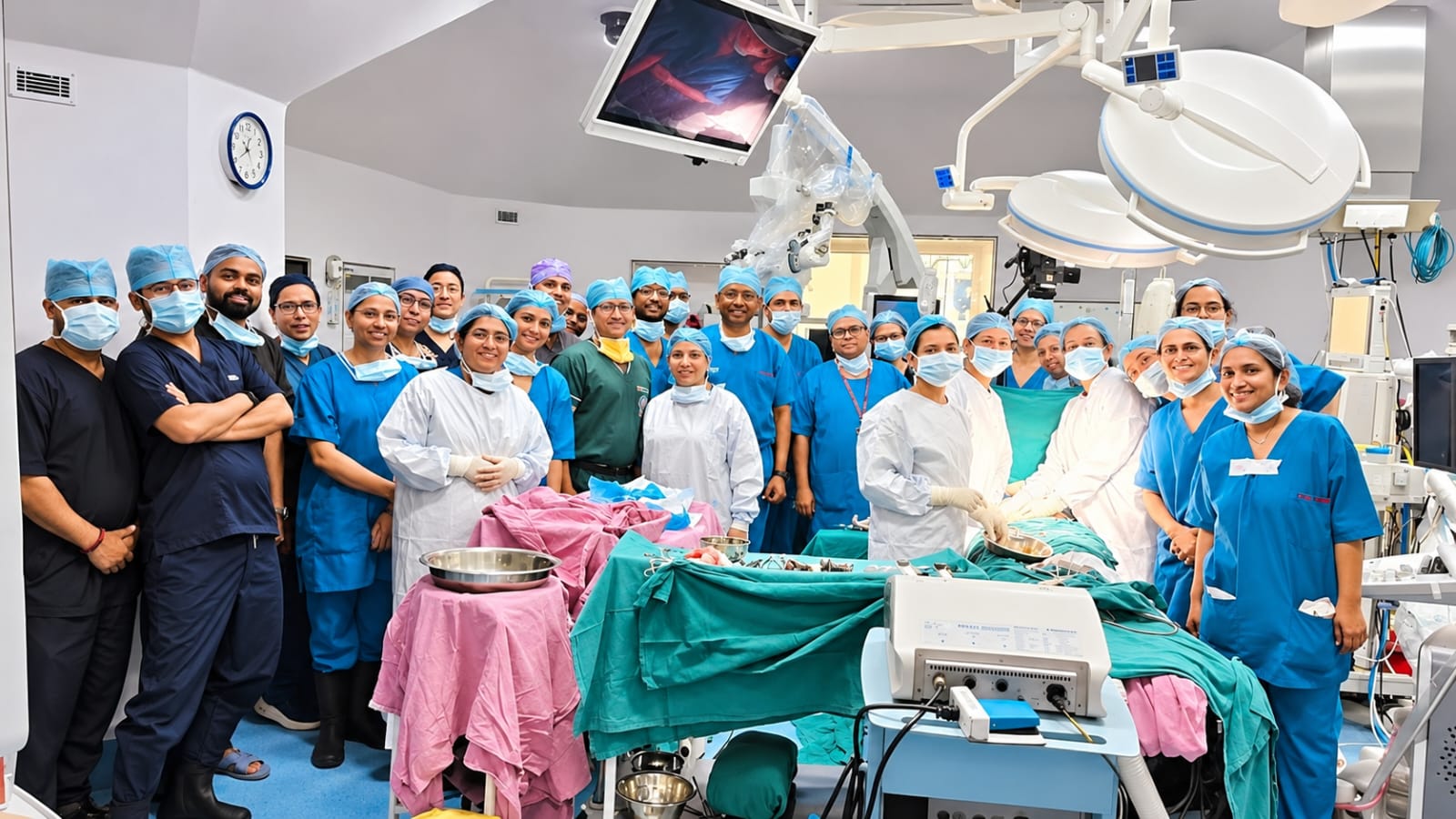
In a significant breakthrough in India’s medical history, doctors at the All India Institute of Medical Sciences (AIIMS), New Delhi, have successfully performed the country’s first fetal surgery to repair a severe spinal birth defect in an unborn baby.
The six-hour procedure was performed on November 12 at the AIIMS Neurosciences Centre when the mother was 25 weeks pregnant. The surgery aimed to repair myelomeningocele, the most severe form of spina bifida, a congenital condition in which the spinal cord and its protective coverings protrude through an opening in the developing baby’s spine.
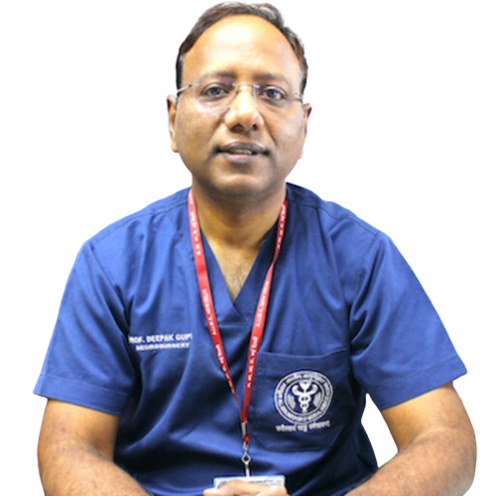
Neurosurgeon Professor Dr. Deepak Gupta
The landmark procedure was led by Professor Deepak Gupta, who headed the neurosurgical team, with participation from Professor Neena Malhotra, Professor Vimi Rewari, Professor Mihir Pandia, Dr. K. Aparna Sharma, Dr. Rashmi Ramachandran, Dr. Gyanendra Pal Singh, Dr. Shashank Chauhan, Dr. Ramesh Agarwal and Dr. Deepika Kainth. More than 30 clinicians and nursing professionals contributed to the complex operation.
How Fetal Surgery Can Protect an Unborn Baby
Spina bifida develops during early pregnancy when the neural tube, which forms the brain and spinal cord, does not close completely. In severe cases, the exposed spinal cord can suffer progressive damage, potentially leading to paralysis, bladder and bowel dysfunction, and hydrocephalus, a condition involving fluid accumulation in the brain.
Traditionally, the defect is repaired after birth. However, fetal surgery allows doctors to close the spinal defect before delivery, potentially protecting the exposed nerves from further damage during the remaining months of pregnancy.
International research suggests that carefully selected babies may experience better neurological outcomes following prenatal surgery, including reduced complications associated with hydrocephalus and improved lower-limb function.
More Than 30 Medical Professionals Involved
The procedure required coordinated efforts from specialists in maternal-fetal medicine, obstetrics, neurosurgery, obstetric anaesthesia, neuroanaesthesia, plastic surgery and neonatology.
According to the AIIMS team, both the mother and the unborn baby were stable and recovering well following the operation.
The surgery was provided free of cost under the Centre’s Janani Shishu Suraksha Karyakram (JSSK). AIIMS has also indicated plans to develop a structured fetal-care programme to make such specialised treatment accessible to eligible families.
Prevention of Spina Bifida Remains Essential
While fetal surgery offers new possibilities for selected pregnancies, doctors emphasise that prevention remains the most important approach.
Adequate folic acid supplementation before conception and during early pregnancy plays a crucial role in reducing the risk of neural tube defects. Since neural tube closure normally occurs within approximately 28 days of conception, preventive measures should ideally begin before pregnancy.
The AIIMS milestone marks an important advancement in specialised maternal and fetal healthcare in India, opening new possibilities for treating certain congenital conditions before birth.