
By Sandeep/ New Delhi : November 23, 2026
Millions of Indian households trust established brands when purchasing everyday essentials such as packaged drinking water, milk and honey. Consumers often pay premium prices, believing that recognised brands guarantee superior quality, hygiene and safety. However, a series of laboratory investigations and regulatory findings involving these products has raised serious questions about whether consumers are actually receiving the quality they pay for.
The latest controversy involving packaged drinking water brand Bisleri, independent milk-testing findings published by Trustified in February 2026, and the Centre for Science and Environment’s (CSE) 2020 honey adulteration investigation highlight the continuing importance of food safety monitoring, independent testing and accountability in India’s packaged food industry.
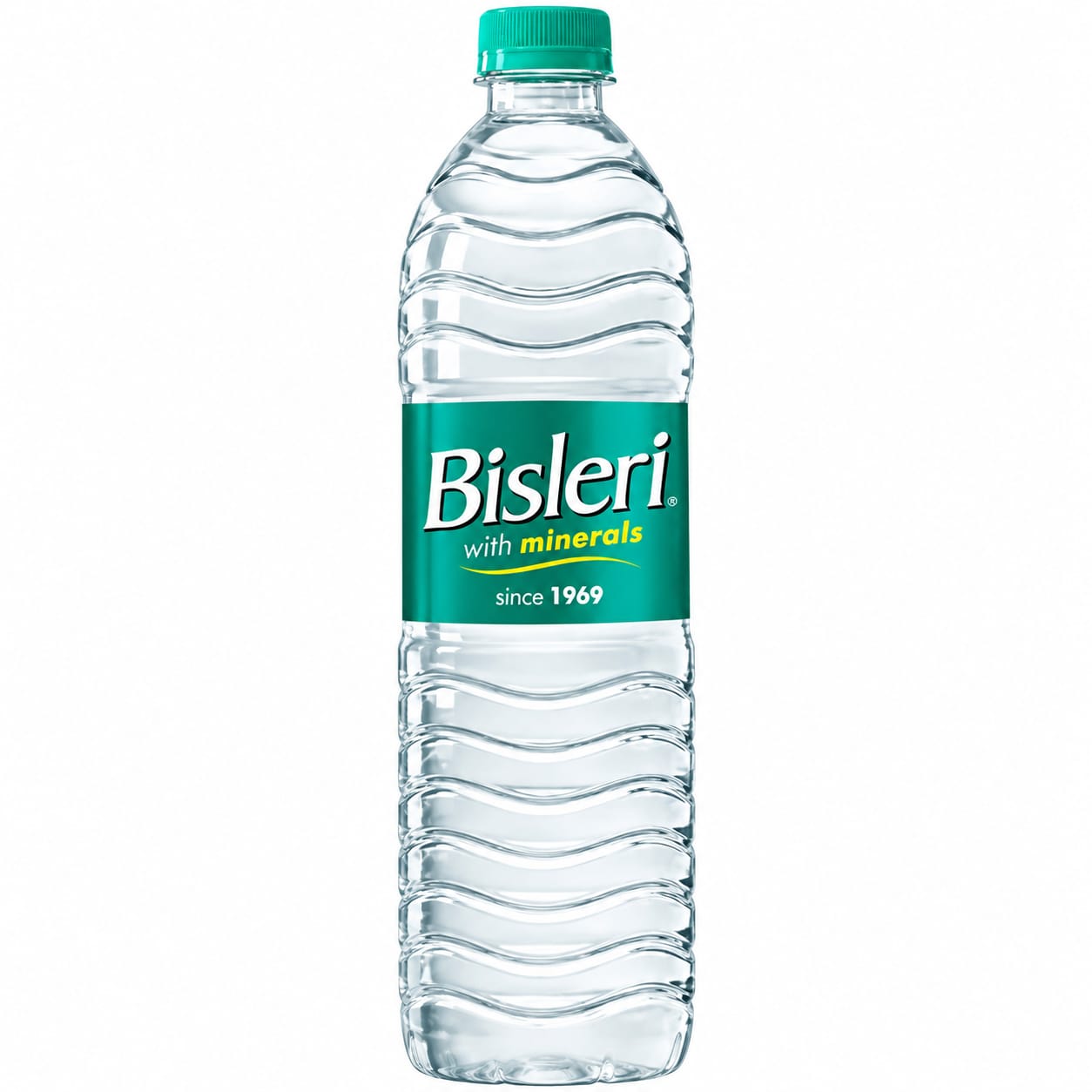
Bisleri Water Controversy: FSSAI Action Raises Quality Concerns
Packaged drinking water brand Bisleri came under regulatory scrutiny after a sample collected from its Goa facility was declared unsafe following laboratory testing.
According to reports, the sample initially showed bromate levels of 12 micrograms per litre, exceeding the prescribed limit of 10 micrograms per litre. Following an appeal, a referral laboratory reportedly declared the sample unsafe after detecting polynuclear aromatic hydrocarbons (PAHs).
The Food Safety and Standards Authority of India (FSSAI) subsequently sanctioned prosecution against the company under the Food Safety and Standards Act.
Bisleri disputed aspects of the findings, maintaining that subsequent independent testing found bromate levels within permissible limits. The company also stated that it would cooperate with regulatory authorities.
The controversy has prompted plans for wider testing of packaged drinking water brands across India, bringing the quality and safety of bottled water under renewed scrutiny.
Amul, Mother Dairy and Country Delight: Milk Testing Findings Raise Questions
Concerns about packaged food quality also emerged in February 2026 when independent testing platform Trustified published laboratory findings concerning milk samples from Amul, Mother Dairy and Country Delight.
According to the reported investigation, Amul Taaza recorded a coliform count of 980 CFU/ml, against a cited FSSAI limit of 10 CFU/ml. Amul Gold reportedly recorded 25 CFU/ml.
The investigation also reported elevated Total Plate Count (TPC) levels in samples from Mother Dairy and Country Delight.
Mother Dairy Cow Milk reportedly recorded 2,40,000 CFU/ml against a cited limit of 30,000 CFU/ml, while Country Delight Cow Milk recorded 60,000 CFU/ml.
Coliform bacteria are commonly used as indicators of hygiene and possible contamination. Their presence in milk can point towards problems involving milking practices, processing equipment, water quality, pasteurisation or post-processing handling.
Total Plate Count measures the overall number of viable microorganisms in a sample and is different from a specific coliform count.
These findings concern the particular samples tested and do not establish that every product or batch from the companies is unsafe. Mother Dairy has also disputed the interpretation of the reported results, citing its own quality-testing procedures.
Nevertheless, the findings have raised questions about microbiological quality control and the effectiveness of routine monitoring in the dairy industry.
2020 CSE Honey Investigation: 77% of Tested Samples Failed Purity Tests
Questions about food adulteration are not new. In December 2020, the Centre for Science and Environment published a major investigation into the purity of packaged honey sold in India.
CSE tested 22 honey samples representing 13 brands in laboratories in India and Germany. Its investigation reported that 17 out of 22 samples, or approximately 77 per cent, failed the prescribed purity tests.
The investigation named several popular brands, including Dabur, Patanjali, Baidyanath, Zandu, Hitkari and Apis Himalaya, among those whose tested samples failed the advanced Nuclear Magnetic Resonance (NMR) test.
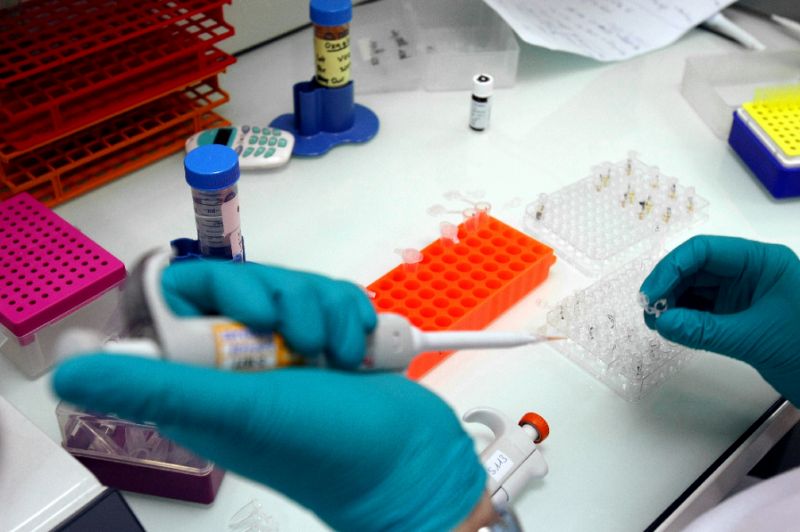
NMR spectroscopy is an advanced analytical technique that examines the chemical composition and molecular profile of honey. It can help detect unusual sugar signatures and sophisticated adulteration that conventional tests may fail to identify.
CSE reported that only three brands had samples passing all the tests: Saffola, Markfed Sohna and Nature’s Nectar, with one of the latter’s two samples passing.
The findings triggered a debate over honey purity and the ability of existing food-testing methods to identify sophisticated sugar-syrup adulteration. Dabur and Patanjali disputed aspects of the investigation.
The report remains an important reference in discussions about food adulteration and the need for advanced testing methods.
Three Products, One Concern: Are India’s Food Safety Standards Adequately Enforced?
Although the three investigations concern different products and different types of quality failures, they highlight a common issue: consumers need reliable assurances that products sold under established brand names meet prescribed safety and quality standards.
The cases also raise several important questions for food safety regulators:
- Are packaged food and beverage products being subjected to sufficiently frequent, independent and random laboratory testing?
- Are existing testing methods capable of detecting sophisticated adulteration and contamination?
- Should manufacturers be required to make independent batch-wise quality reports more accessible to consumers?
- Are penalties and enforcement mechanisms sufficient to discourage violations?
- How quickly are consumers informed when a particular batch fails safety standards?
- What action is taken to prevent similar quality failures from recurring?
Consumers Pay for Brand Reputation, But Who Guarantees Quality?
For ordinary households, milk, honey and drinking water are not luxury products. They are everyday essentials, frequently consumed by children, senior citizens and other vulnerable groups.
Consumers often choose established brands because they expect better manufacturing standards, scientific quality control and safer products. Paying a premium price should mean receiving products that comply with prescribed safety standards.
However, brand reputation, attractive packaging and marketing claims cannot substitute for transparent laboratory testing and regulatory oversight.
Food safety authorities must ensure that inspections are proactive, laboratory findings are transparent and violations attract appropriate regulatory action. Manufacturers, meanwhile, must maintain strict quality-control systems throughout production, packaging, transportation and storage.
The Need for Fearless Officers, Food Safety Whistleblowers and Accountable Governance in Every State
India needs more food safety whistleblowers—brave citizens, honest officers, independent scientists, journalists and consumer activists who expose food adulteration, contamination and violations of safety standards. Whether it involves milk, honey, packaged drinking water or everyday food products, those who raise their voices in the public interest must be protected and encouraged, not intimidated or silenced. Food safety is not merely a regulatory issue; it is a matter of public health and human lives. We need officers like Tukaram Mundhe and fearless whistleblowers in every state to ensure that no company, however powerful its brand or business, is above the law. The right to safe food is every Indian’s right.
India’s consumers deserve more than trusted brand names. They deserve safe, pure and quality-assured products for every rupee they spend.