
Ninety teachers from 13 states trained in physiology, diagnosis and women’s healthcare, with classical principles integrated with contemporary science
Jamnager|HL 21 November
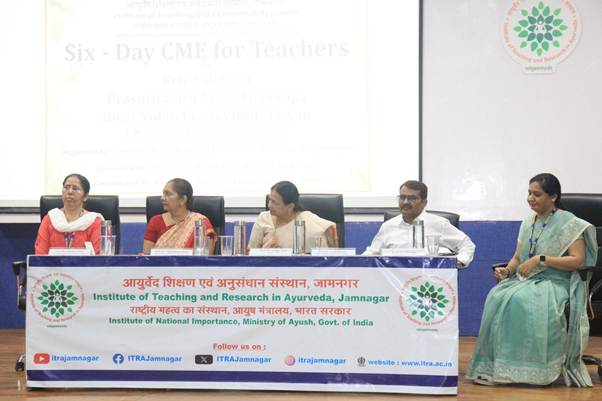
The Institute of Teaching and Research in Ayurveda (ITRA), Jamnagar, an Institution of National Importance under the Ministry of Ayush, organised three simultaneous six-day National Continuing Medical Education (CME) programmes from 16 to 21 November 2026.
The programmes were conducted by the Departments of Kriya Sharir, Roganidan and Vikriti Vigyan, and Prasuti Tantra and Streeroga. They brought together 90 Ayurveda faculty members from 13 states, with around 45 eminent academicians, clinicians and healthcare experts from reputed institutions serving as resource persons.
Leadership and Vision
Held under the leadership of Prof. (Dr.) Tanuja Nesari, Director, ITRA, the programmes aimed to strengthen subject knowledge, diagnostic competencies, clinical skills and teaching capabilities of faculty members. At the inaugural session, Prof. Nesari stressed continuous professional development, a scientific understanding of diagnostic methods, and the integration of contemporary medical knowledge with the classical foundations of Ayurveda.
CME chairpersons Prof. Shilpa Donga, Prof. Darshana Pandya and Dr. Swati Khandale highlighted patient-centred healthcare, accurate diagnosis, clinical reasoning, evidence-based research and contemporary teaching methods as key to improving Ayurveda education and clinical services.
Kriya Sharir: Physiology, Old and New
The Department of Kriya Sharir focused on human physiology through classical Ayurvedic perspectives and modern scientific developments, aiming to enhance both teaching and clinical understanding.
Roganidan and Vikriti Vigyan: ‘MADHAV MIMAMSA-2026’
This CME centred on strengthening diagnostic competencies by combining classical Ayurvedic diagnostic principles with contemporary techniques. The six-day programme covered:
- Nadi Pariksha
- Modern teaching methodologies
- Clinical diagnosis
- Advanced laboratory investigations
- ECG, CT and MRI
Prasuti Tantra and Streeroga: Integrative Women’s Healthcare
The department’s CME addressed key developments in obstetrics and gynaecology alongside classical Ayurvedic principles. Topics included Garbhini Paricharya, high-risk pregnancy, infertility and assisted reproductive techniques, recurrent pregnancy loss, obstetric emergencies, puerperal care, contraception, breast diseases, congenital anomalies and gynaecological disorders.
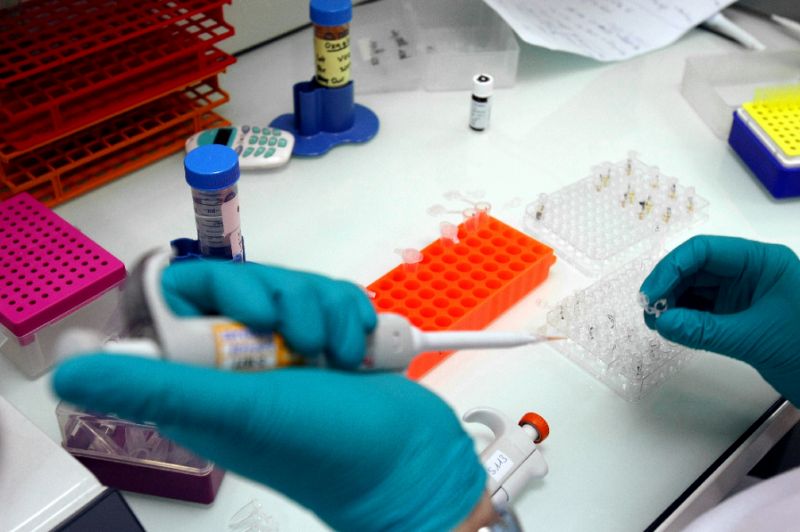
Hands-on training covered episiotomy and suturing, colposcopy, Pap smear, vaginal smear, culture techniques and antenatal ultrasonography. The role of Panchakarma in Stree Roga and Vandhyatva was also discussed.
Learning Through Practice
Resource persons delivered expert lectures, led interactive discussions and conducted practical sessions, enabling interdisciplinary learning and an exchange of academic and clinical experiences.
A National Platform for Capacity Building
The three CMEs offered a national platform for professional development and knowledge exchange, reinforcing the importance of diagnostic accuracy, clinical competence, research orientation and contemporary teaching methods in strengthening Ayurveda education and healthcare delivery. The programmes reflect ITRA Jamnagar’s continued commitment to advancing Ayurveda education, research and clinical practice through faculty development.