
New Delhi: HL November 18, 2026
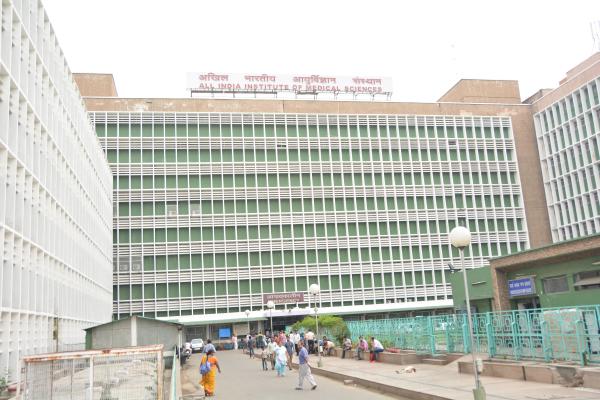
In a significant initiative to strengthen India’s response to poisoning emergencies, the All India Institute of Medical Sciences (AIIMS), New Delhi, is planning to establish a National Poisoning Registry to maintain a comprehensive record of poisoning cases reported across the country.
The proposed initiative aims to improve the identification, monitoring and management of poisoning incidents by connecting hospitals and poison control centres through a digital network. The system is expected to help medical professionals access important information about poisoning cases and provide timely and appropriate treatment to affected patients.
According to the report, the proposed National Poisoning Registry will collect information on poisoning incidents from different parts of India. This will help create a centralised database and provide a clearer picture of the types of poisoning cases, their causes, geographical distribution and changing patterns.
Digital Network to Connect Hospitals and Poison Control Centres
Under the proposed plan, hospitals and poison control centres across the country will be connected through a digital platform. This will facilitate the availability of information related to poisoning cases at a centralised location.
The digital network is expected to help identify emerging poisoning trends and enable healthcare authorities to respond more effectively to sudden increases in cases in particular regions.
It will also support doctors in making informed decisions and providing appropriate treatment to patients based on available medical information.
Antidote Bank Proposed to Strengthen Emergency Treatment
Another important component of the initiative is the proposal to establish a National Antidote Bank.
Antidotes are essential medicines used to counteract the effects of specific poisons and toxic substances. Their timely availability can play a critical role in managing poisoning emergencies.
The proposed antidote bank aims to strengthen the availability of these medicines and improve access to life-saving treatment, particularly in situations where poisoning cases increase suddenly in a particular area.
AI-Based Investigation and Monitoring Facility
AIIMS is also planning to develop an AI-based investigation facility as part of the proposed initiative.
The technology is expected to support the analysis of poisoning-related information, identify emerging patterns and strengthen monitoring of cases.
This could help healthcare authorities recognise potential threats earlier and take timely preventive measures.
AIIMS Plans to Expand National Poison Information Centre
As part of the broader initiative, AIIMS is also planning to expand its existing National Poison Information Centre (NPIC).
The centre currently provides round-the-clock telephone-based medical guidance to doctors dealing with poisoning cases. Through this service, medical professionals can seek specialised advice regarding the identification and management of toxic exposures.
The proposal includes developing the centre as a major national-level facility to support healthcare professionals across India.
There is also a proposal to rename the existing NPIC as the National Nodal Centre for Toxicological Science and Research and strengthen its role in toxicology-related research and clinical support.
More Than 65,000 Calls Received Between 1995 and 2025
The report highlights the significant role played by AIIMS’s National Poison Information Centre over the years.
Established in 1995, the centre was among the first of its kind in the country. Initially, it provided emergency guidance to doctors dealing with poisoning cases.
Between 1995 and 2025, the centre reportedly received more than 65,000 calls, reflecting the growing importance of specialised toxicological guidance in India’s healthcare system.
The proposed expansion is expected to strengthen the country’s capacity for poisoning surveillance, emergency medical assistance, research and public awareness.
National Poisoning Awareness Campaign Also Proposed
Apart from improving treatment and monitoring facilities, the initiative also emphasises prevention and public awareness.
A nationwide awareness campaign and a dedicated National Poison Awareness Day have also been proposed to educate people about poisoning risks, preventive measures and the importance of timely medical intervention.
The proposed National Poisoning Registry, digital hospital network, antidote bank and AI-based monitoring facility could collectively strengthen India’s preparedness to deal with poisoning emergencies.