
New Delhi: HL October 01, 2026
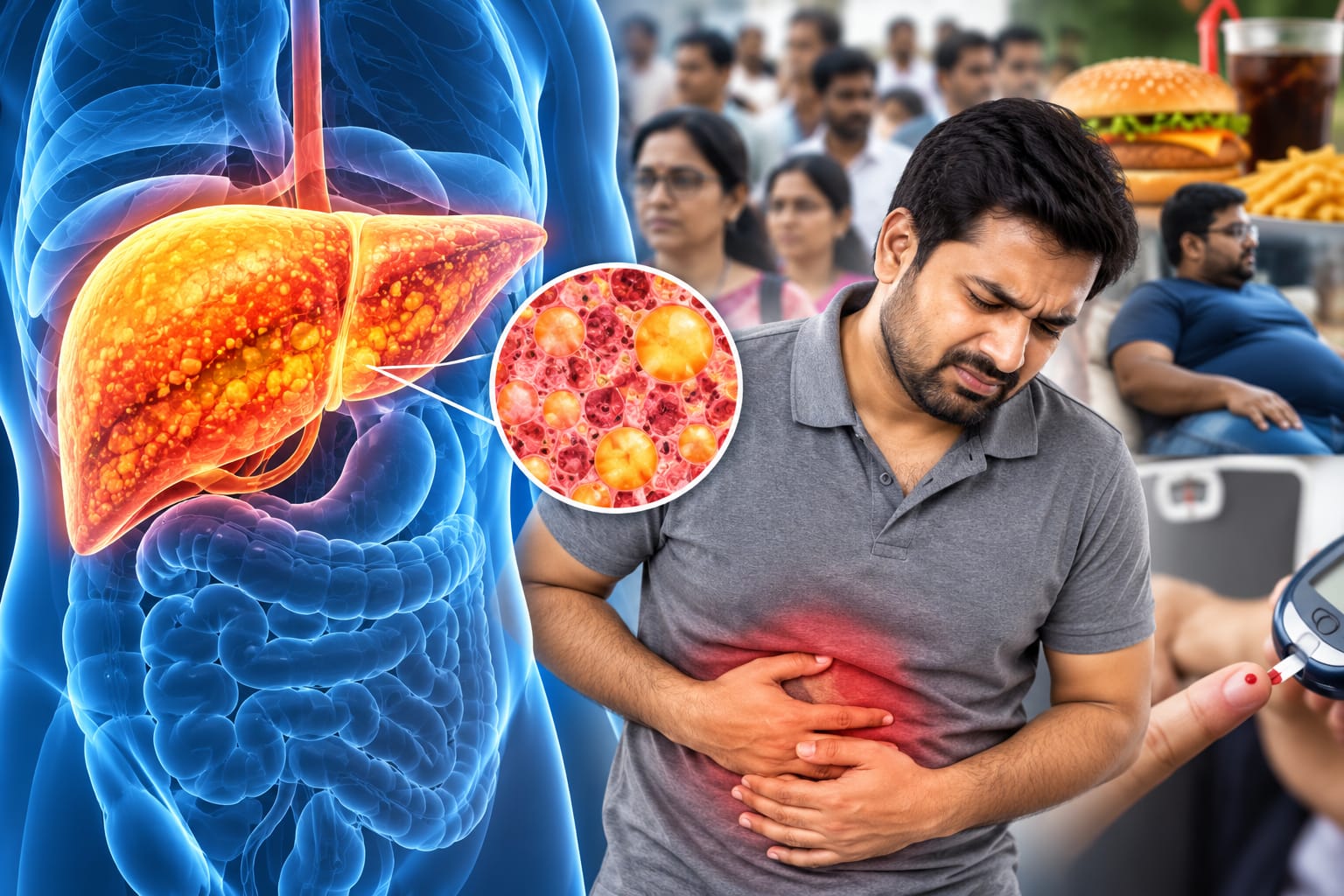
Fatty liver disease is emerging as a significant public health concern in India, with estimates suggesting that approximately 39% of adults may be affected by the condition. The issue was highlighted during the World Gastroenterology Congress 2026 in New Delhi, where around 3,000 specialists from nearly 61 countries gathered to discuss developments in digestive health and gastrointestinal diseases.
According to the figures cited in the report, the estimated prevalence of fatty liver among Indian children is around 35.4%, underlining concerns about metabolic health among younger populations as well.
Fatty Liver Can Develop Without Obvious Symptoms
Fatty liver disease involves the accumulation of excess fat in the liver. In its early stages, the condition may not produce noticeable symptoms, making timely screening and medical evaluation important, particularly for people with metabolic risk factors.
Experts have highlighted associations between fatty liver, obesity, diabetes and lifestyle-related health problems. If the condition progresses, some patients may develop liver inflammation, fibrosis and, in severe cases, cirrhosis.
The condition can occur in people who consume little or no alcohol. Metabolic dysfunction, excess body weight, insulin resistance and other health factors can contribute to its development.
Digestive Problems Should Not Be Ignored
The congress also highlighted the wider burden of gastrointestinal disorders. Common complaints such as constipation, diarrhoea, abdominal discomfort and persistent digestive problems affect people worldwide.
Medical experts caution that symptoms such as blood in the stool, difficulty swallowing, persistent abdominal pain or unexplained weight loss should not be dismissed. Such symptoms require appropriate medical assessment to identify the underlying cause.
The reported discussions also covered the importance of protecting digestive health, improving the identification of liver and gastrointestinal diseases, and expanding access to effective treatment.
Artificial Intelligence in Digestive Healthcare
Artificial intelligence was another area of discussion at the four-day congress. Researchers and healthcare professionals are exploring AI-based tools for medical imaging, disease detection, clinical decision support and the analysis of complex medical data.
AI-assisted technologies may help clinicians identify certain abnormalities and support diagnostic workflows. However, their clinical use requires appropriate validation, and medical decisions should continue to be guided by qualified healthcare professionals.
Early Detection and Lifestyle Management
The growing burden of fatty liver disease highlights the importance of preventive healthcare. Maintaining a healthy weight, undertaking regular physical activity, eating a balanced diet and managing blood sugar and cholesterol levels can help reduce metabolic risk.
People with suspected fatty liver or relevant risk factors should consult a healthcare professional for an appropriate assessment. Depending on individual circumstances, doctors may recommend blood tests, imaging or other investigations.
As discussions at the World Gastroenterology Congress 2026 highlight, greater awareness, timely diagnosis and sustained preventive care are important components of addressing India’s growing digestive health challenges.