
New Delhi : HL July 14, 2026
Indian cinema and OTT platforms have increasingly become powerful tools for spreading awareness about health issues. Over the last decade, filmmakers have moved beyond entertainment to tell stories that challenge stigma, encourage early diagnosis, and educate audiences about physical and mental health conditions. These productions have helped spark public conversations on subjects that were once considered taboo, including depression, Alzheimer’s disease, infertility, autism, HIV, cancer, and organ donation.
Health experts believe that films and web series can significantly influence public attitudes by making complex medical conditions relatable through compelling storytelling. While these productions are not substitutes for medical advice, they often motivate viewers to seek timely consultation, support loved ones, and adopt healthier lifestyles.
Mental Health Takes Centre Stage
Mental health has emerged as one of the most explored themes in recent Indian content.
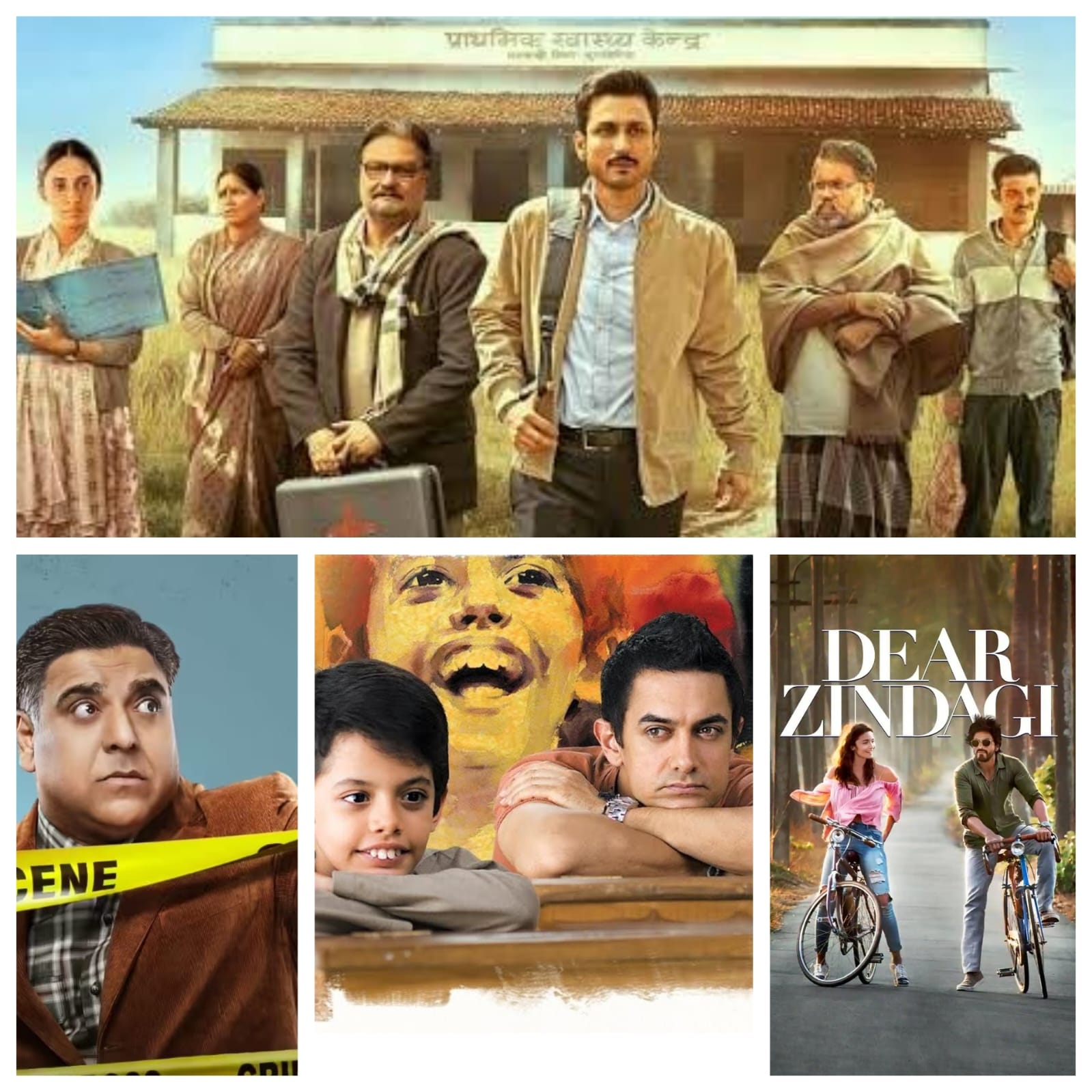
Dear Zindagi (2016) brought anxiety, emotional trauma, and therapy into mainstream cinema. The film helped normalize seeking professional psychological help, especially among young adults.
Judgementall Hai Kya (2019) explored serious mental illness and highlighted the importance of diagnosis and treatment, while also demonstrating the challenges of living with psychiatric disorders.
Breathe and Breathe: Into the Shadows examined the psychological impact of trauma, guilt, and mental illness through thriller narratives.
Alzheimer’s Disease and Dementia
Maa (2018) and The Sky Is Pink (2019) touched upon caregiving and the emotional burden faced by families dealing with chronic illnesses.
U Me Aur Hum (2008) remains one of the few Bollywood films to focus specifically on Alzheimer’s disease, portraying memory loss and the emotional struggles experienced by patients and caregivers.
Cancer Awareness
Several Indian films have highlighted cancer and the importance of resilience, early diagnosis, and family support.
The Sky Is Pink portrayed the journey of a teenager living with a life-threatening genetic disorder requiring intensive medical care.
Anand (1971), though fictional, remains one of India’s most celebrated films depicting terminal illness with dignity and hope.
HIV/AIDS and Social Stigma
Phir Milenge (2004) addressed HIV/AIDS discrimination in the workplace and society at a time when misinformation about the disease was widespread. The film emphasized compassion, legal rights, and awareness.
Organ Donation and Transplantation
Traffic (2016), inspired by real events, highlighted the life-saving importance of organ donation and the complex logistics involved in transporting organs for transplantation. The film encouraged discussions around cadaver organ donation across the country.
Autism and Neurodevelopmental Disorders
Taare Zameen Par (2007) transformed public understanding of dyslexia. Although dyslexia is a learning disorder rather than a disease, the film encouraged parents and teachers to recognize learning differences early and provide appropriate educational support.
Rare Diseases and Genetic Disorders
The Sky Is Pink also drew attention to severe combined immunodeficiency (SCID), a rare genetic disorder, increasing awareness about rare diseases and the emotional and financial challenges faced by affected families.
Women’s Health and Reproductive Issues
Pad Man (2018) broke long-standing taboos around menstrual hygiene, promoting affordable sanitary products and menstrual health awareness across rural and urban India.
Good Newwz (2019) used comedy to discuss infertility and assisted reproductive technologies, helping normalize conversations around fertility treatment.
Disability and Rehabilitation
Margarita with a Straw (2014) portrayed cerebral palsy with sensitivity while addressing disability, independence, sexuality, and inclusion.
Public Health Through OTT
OTT platforms have expanded the scope for health-related storytelling by allowing longer, more nuanced narratives.
Medical dramas and documentaries on streaming platforms have also examined public health emergencies, healthcare infrastructure, and ethical dilemmas faced by doctors and hospitals.
Gram Chikitsalay as an OTT series that raises awareness about Dissociative Identity Disorder (DID) and the need for timely mental healthcare in rural India.
Mistry
The crime-drama Mistry features a brilliant detective whose obsessive-compulsive traits and psychological struggles form an integral part of the narrative. While primarily a thriller, the series opens conversations around Obsessive-Compulsive Disorder (OCD), neurodiversity, and the importance of understanding mental health without stigma. Experts note that such portrayals can encourage discussions about seeking professional help while reminding viewers that every individual’s experience with OCD is different.
Mumbai Diaries
One of India’s most acclaimed medical dramas, Mumbai Diaries showcases the challenges faced by doctors, nurses, and emergency responders during large-scale disasters and public health emergencies. The series highlights emergency medicine, trauma care, infectious diseases, hospital preparedness, and the mental stress experienced by healthcare professionals.
The Good Karma Hospital
Though an international production, the series has found a significant Indian viewership. It explores tropical diseases, maternal health, infectious illnesses, and the realities of delivering healthcare in resource-limited settings.
Breathe and Breathe: Into the Shadows
These psychological thrillers delve into trauma, depression, guilt, personality disorders, and emotional well-being. While fictional, they have contributed to wider conversations about mental health and the need for timely psychiatric care.
Human
The medical thriller Human examines ethical concerns surrounding pharmaceutical research, clinical drug trials, informed consent, and patient safety. The series sparked discussions on ethics in medical research and the importance of strong regulatory oversight.
Delhi Crime – Season 2
The second season touches upon elder abuse, geriatric care, neglect of senior citizens, and the physical and emotional vulnerabilities faced by ageing populations, encouraging conversations around healthy ageing and elder protection.
Made in Heaven
The series sensitively portrays mental health, body image, reproductive health, and LGBTQ+ health issues through the personal journeys of its characters, reflecting evolving conversations around emotional well-being and inclusion.
Why Health-Themed Content Matters
Health communication experts say films and OTT series can:
Reduce stigma surrounding mental illness and chronic diseases.
Encourage early diagnosis and timely medical consultation.
Promote organ donation, vaccination, and preventive healthcare.
Increase empathy for patients and caregivers.
Improve public understanding of complex medical conditions.
However, experts also caution that cinematic portrayals may simplify or dramatize medical conditions for storytelling purposes. Audiences should rely on qualified healthcare professionals for diagnosis, treatment, and medical guidance.
The Road Ahead
As India continues to witness growing awareness about preventive healthcare and mental well-being, filmmakers are increasingly choosing stories rooted in real-life health challenges. With millions of viewers consuming content across theatres and digital platforms, films and OTT series are playing an important role in complementing public health campaigns by encouraging informed discussions, reducing stigma, and inspiring positive health-seeking behaviour.