
New Delhi: HL July 15, 2026
Cancer continues to pose one of the biggest public health challenges worldwide, with the disease claiming nearly 10 million lives in 2024, according to the latest estimates from the World Health Organization (WHO). The global health body says cancer is responsible for almost one in every six deaths, highlighting the urgent need for stronger prevention strategies, early diagnosis and equitable access to treatment.
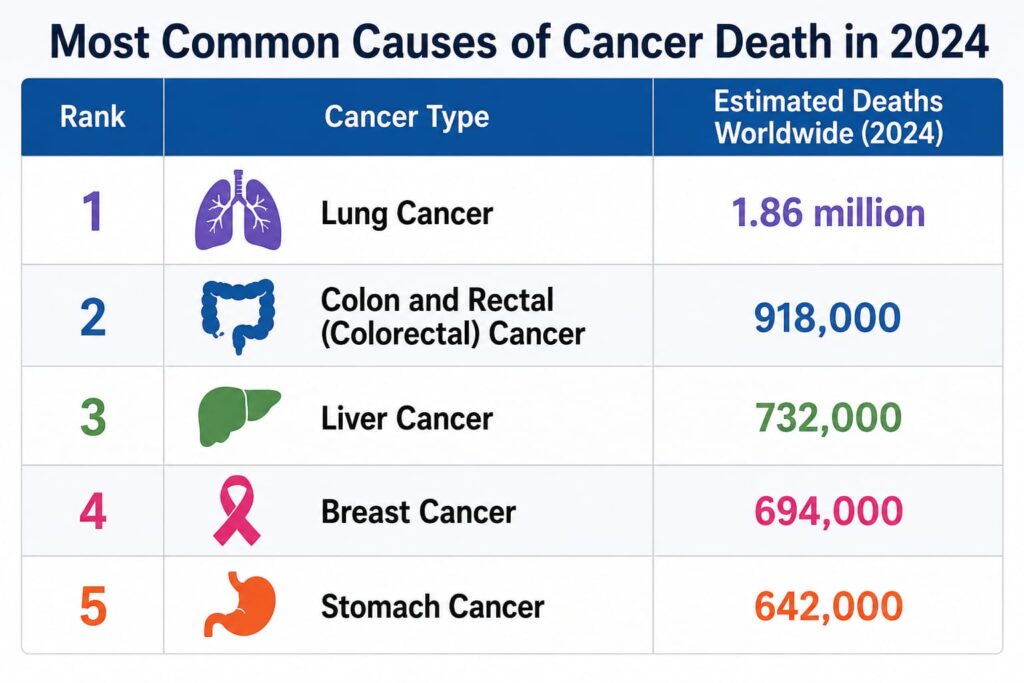
WHO data shows that lung cancer remains the most commonly diagnosed cancer globally, followed by breast cancer, colorectal cancer, prostate cancer, non-melanoma skin cancer and stomach cancer. Lung cancer also accounts for the highest number of cancer-related deaths, followed by colorectal, liver, breast and stomach cancers.
Health experts note that a substantial share of cancer cases could be avoided by addressing well-known risk factors. Tobacco use remains the single largest preventable cause of cancer, while excessive alcohol consumption, obesity, unhealthy diets, physical inactivity and exposure to air pollution also contribute significantly to the growing disease burden. WHO estimates that nearly 38% of cancers are preventable through evidence-based lifestyle changes and public health measures.
In many low- and middle-income countries, infections continue to play a major role in cancer development. Viruses such as human papillomavirus (HPV) and hepatitis B and C are linked to cervical and liver cancers, making vaccination and infection control key components of cancer prevention.
The WHO emphasizes that early detection saves lives. Recognizing warning signs, ensuring timely diagnosis and providing prompt treatment can significantly improve survival rates while reducing treatment costs and complications. Screening programmes for cervical and breast cancers have already demonstrated their value in reducing mortality when implemented effectively.
Cancer treatment has advanced considerably in recent years, with surgery, radiotherapy, chemotherapy, hormone therapy and targeted medicines improving outcomes for many patients. Several cancers, including breast, cervical, colorectal, oral cancers, childhood leukaemias and testicular seminoma, have high cure rates when diagnosed early and treated according to established clinical guidelines.
For patients with advanced disease, WHO stresses the importance of palliative care, which focuses on relieving pain, reducing suffering and improving quality of life for patients and their families. Access to pain relief and supportive care remains a major challenge in many parts of the world.
To reduce the global cancer burden, WHO recommends avoiding tobacco, maintaining a healthy weight, eating a balanced diet rich in fruits and vegetables, staying physically active, limiting alcohol intake, receiving HPV and hepatitis B vaccines where recommended, protecting against excessive ultraviolet radiation, reducing exposure to harmful pollutants and ensuring safe use of medical radiation.
The organization is also working with governments and international partners to strengthen cancer prevention, improve screening and diagnosis, expand access to affordable treatment and essential medicines, and enhance survival rates for both adults and children. WHO says sustained investment in cancer control programmes and universal access to quality healthcare will be critical to reducing premature deaths and improving outcomes for millions of people worldwide.
Future Outlook: Cancer Cases Expected to Rise Without Stronger Prevention Measures
Public health experts warn that the global cancer burden is likely to increase sharply over the coming decades due to ageing populations, urbanisation, lifestyle changes and continued exposure to environmental risk factors. Unless countries strengthen prevention, early detection and treatment programmes, millions more people could be diagnosed with cancer each year, placing additional pressure on healthcare systems.
The World Health Organization has repeatedly stressed that investing in tobacco control, vaccination against HPV and hepatitis B, healthier lifestyles, pollution reduction and timely screening can help curb this trend. Advances in precision medicine, artificial intelligence-assisted diagnostics, immunotherapy and targeted treatments are expected to improve survival rates and quality of life for many patients. However, experts caution that these benefits will depend on equitable access to healthcare, particularly in low- and middle-income countries where cancer services remain limited.
Health specialists say the coming decade will be crucial in determining whether the world can reduce preventable cancer deaths through stronger public health policies, wider awareness and improved access to affordable diagnosis and treatment.