
New Delhi: HL, September 22, 2026
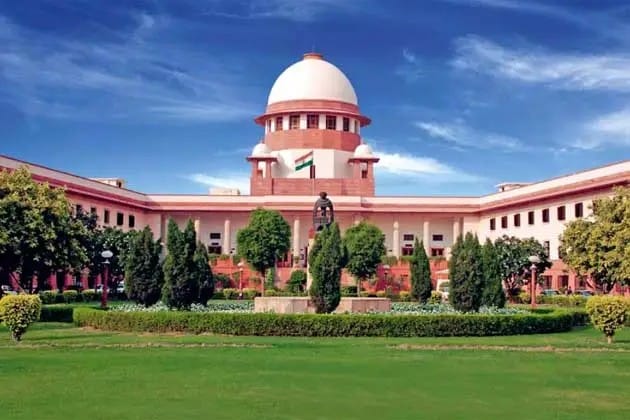
The Supreme Court has expressed serious concern over the wide gap between the cost of certain cancer medicines and their maximum retail price (MRP). During a hearing, the court questioned the practice of selling a cancer drug that reportedly costs around 2,700 at a price of nearly 27,000, describing the situation as a serious concern for patients.
The matter came before a bench comprising Justice Vikram Nath and Justice Sandeep Mehta, which questioned how such a large difference in pricing could be justified when patients are required to purchase medicines for critical illnesses such as cancer.
Supreme Court Questions Excessive Pricing of Cancer Medicines
According to the submissions made before the court, a medicine supplied by a manufacturer or supplier at approximately 2,700 was reportedly being sold to patients with an MRP of around 27,000.
The bench questioned why a patient should be required to pay such a high amount when the medicine is available to the seller at a significantly lower price.
The court also raised concerns about patients being charged excessive amounts for essential medicines and observed that cancer patients should not be subjected to unreasonable financial burdens while seeking treatment.
Court Raises Questions Over Hospitals and Government Payments
Another issue discussed before the Supreme Court related to medicines purchased by hospitals at higher prices and the subsequent payment of medical expenses by the government under health schemes.
The court questioned whether such a system could ultimately result in public money being used to pay inflated medicine prices.
The proceedings also brought attention to the difference between the price paid by healthcare institutions and the amount ultimately charged or reimbursed.
Concerns Over Medicine Price Regulation
The hearing also highlighted the broader issue of price regulation in the pharmaceutical sector.
According to the information presented before the court, only a limited number of medicines are directly covered under existing price-control mechanisms, while a much larger number remain outside such regulation.
The court was informed that approximately 1,000 medicines are under price control, while a substantial proportion of medicines fall outside the regulated category. The issue of how prices are determined for medicines outside price control was therefore also raised.
Supreme Court Questions Accountability of Authorities
The bench also questioned the role of officials and authorities responsible for taking action in cases involving unusually high medicine prices.
Justice Sandeep Mehta reportedly questioned why officials who are expected to intervene in such matters had remained silent.
The court indicated that greater transparency and accountability may be necessary when medicines used by seriously ill patients are sold at prices significantly higher than their acquisition cost.
Cancer Treatment and Financial Burden on Patients
Cancer treatment often involves prolonged medication, diagnostic procedures, hospital visits and other medical expenses. A substantial difference between the procurement price and the price charged to patients can therefore have a significant impact on families managing long-term treatment costs.
The Supreme Court’s observations have brought renewed attention to the need for transparency in medicine pricing and the functioning of price-control mechanisms.
The matter also raises broader questions about how pharmaceutical pricing, hospital procurement, insurance or government reimbursement and patient billing interact within the healthcare system.