
New Delhi: HL August 06, 2026
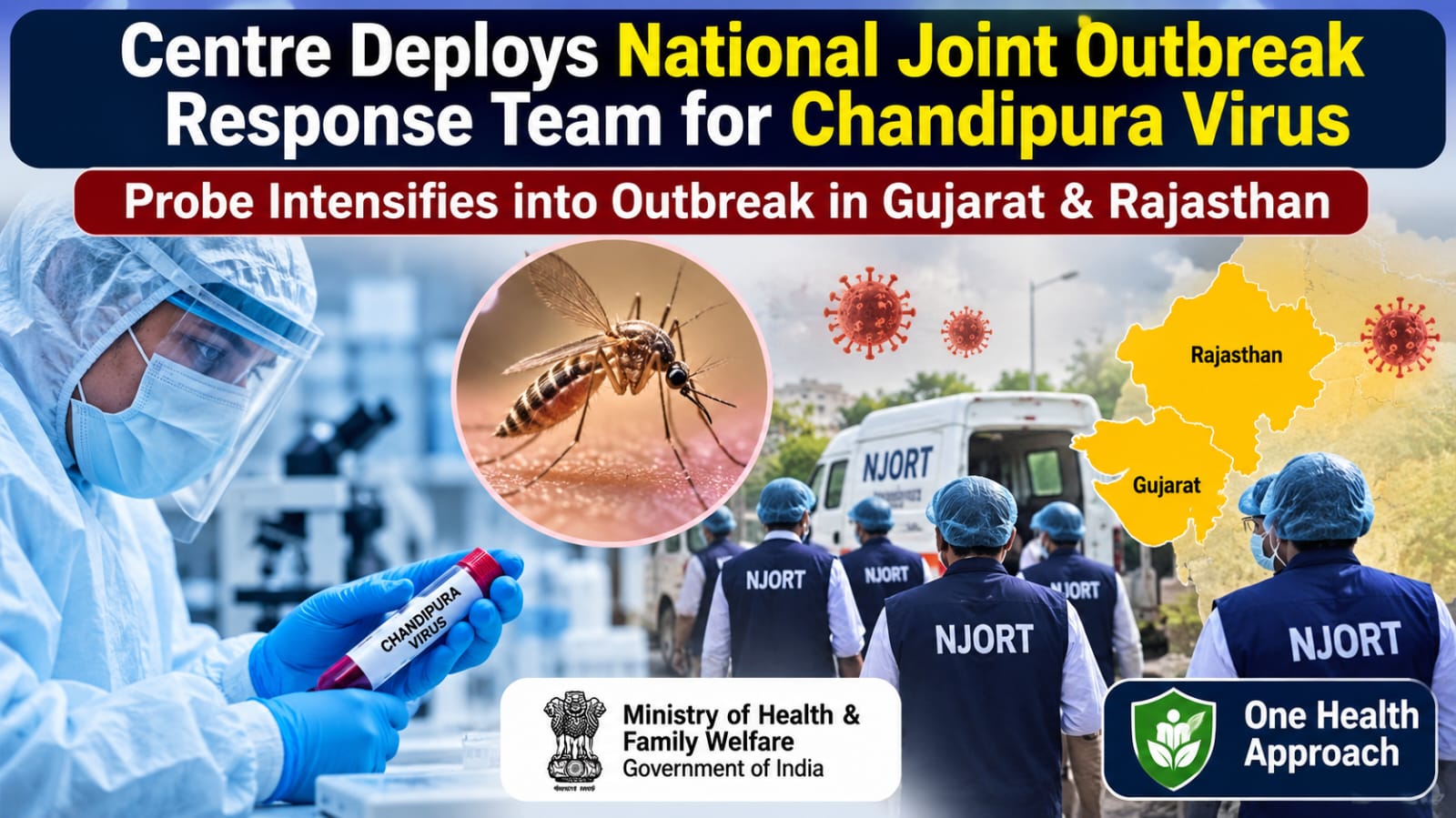
The Central Government has intensified its response to the Chandipura Virus (CHPV) outbreak by deploying a National Joint Outbreak Response Team (NJORT) to Gujarat and Rajasthan. The multidisciplinary team will assist state governments in controlling the outbreak while supporting extensive scientific investigations into the virus, its transmission, and its impact on human and animal health.
The response team includes experts from the National Centre for Disease Control (NCDC), the Indian Council of Medical Research (ICMR), and the Department of Animal Husbandry and Dairying (DAHD). Their mission is to strengthen disease surveillance, investigate the outbreak, improve clinical management, coordinate laboratory testing, monitor vectors, and recommend additional public health measures.
The Union Health Ministry has also activated the Public Health Emergency Operations Centre (PHEOC) at NCDC to coordinate the national response.
A large-scale collaborative investigation is underway involving leading research institutions, including ICMR-NIE Chennai, ICMR-NIV Pune, ICMR-NIVCR Puducherry, ICMR-NIPCR Hyderabad, and ICAR-NIVEDI Bengaluru. Scientists are studying the virus’s epidemiology, clinical behaviour, transmission patterns, and possible treatment strategies.
Health authorities have intensified surveillance for patients with Acute Febrile Illness (AFI) and Acute Encephalitis Syndrome (AES) in affected districts. Community-based serological surveys are also being conducted to estimate the number of asymptomatic infections and assess the true spread of the virus.
Researchers are examining whether insects other than sandflies—such as mosquitoes, ticks, and mites—may also contribute to transmission. Thousands of vector samples collected from affected areas are currently undergoing laboratory testing, although officials caution that it is too early to identify the primary vector responsible for the present outbreak.
Animal surveillance has also been expanded under the government’s One Health approach. Blood samples from cattle, buffaloes, and goats, along with milk samples, are being tested to determine whether domestic animals could serve as reservoirs for the virus. Officials have stressed that no conclusions should be drawn until laboratory investigations are complete.
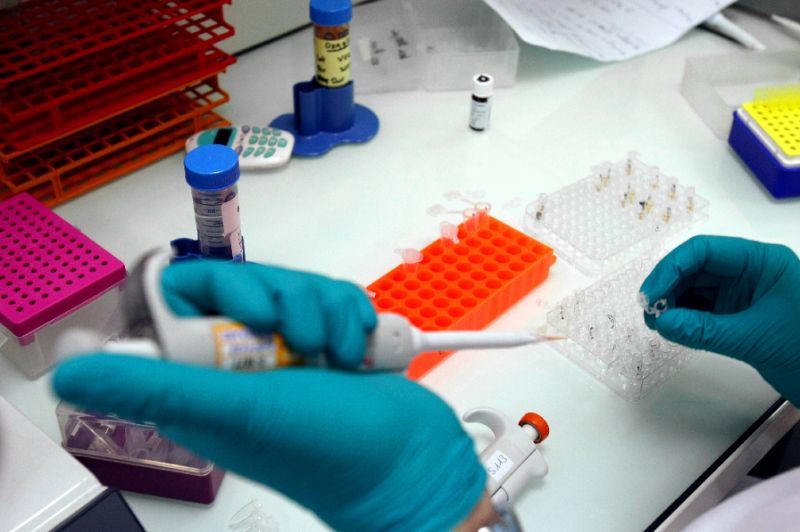
Scientists are also conducting whole-genome sequencing of virus samples at the Gujarat Biotechnology Research Centre (GBRC) to determine whether the virus has undergone genetic changes. Early findings indicate only minor variations, but experts say further analysis is required before establishing any link to previous outbreaks.
The current investigation builds upon lessons learned from the 2024 Chandipura virus outbreak in Gujarat, when multiple vector species were tested but no single vector could be conclusively identified.
The Centre said the coordinated deployment of experts and nationwide research efforts demonstrates India’s commitment to a science-driven, integrated response aimed at containing the outbreak, improving surveillance, and protecting public health.