
New Delhi: HL August 13, 2026
Delhi is witnessing a noticeable increase in seasonal infections, with a sharp rise in H1N1 (swine flu) cases drawing attention from health experts. Reports published on August 12 indicate that the Capital has recorded 1,449 H1N1 cases so far this year, compared with 229 cases during the corresponding period last year, according to data cited from the National Centre for Disease Control (NCDC).
The rise has prompted renewed emphasis on early diagnosis, timely medical consultation and precautions, particularly for people who are more vulnerable to complications.
H1N1 Cases Rise More Than Sixfold
According to the reported NCDC figures, Delhi’s H1N1 tally reached 1,449 cases by August 12. Delhi Health Minister Dr. Pankaj Kumar Singh said that 63 cases were reported on August 11 alone. Government hospitals, including RML Hospital and Safdarjung Hospital, have special arrangements and separate wards to manage patients amid the increase.
Doctors have cautioned against dismissing persistent fever, cough or breathing-related symptoms as routine seasonal illness. H1N1 can initially resemble an ordinary respiratory infection but may become serious in vulnerable patients.
Health experts quoted in the reports said people with weakened immunity and underlying conditions such as diabetes, hypertension, lung or heart disease may face a higher risk of complications. Pregnant women and elderly people are also considered vulnerable.
Children and Elderly Need Special Attention
Doctors have particularly stressed vigilance among young children. Infants and children with asthma, neurological conditions, congenital heart disease or compromised immunity can develop complications more quickly.
Warning signs that require prompt medical evaluation include rapid or difficult breathing, chest discomfort or retractions, bluish lips or face, unusual weakness, poor fluid intake and reduced urination.
Experts have also advised parents and caregivers not to ignore symptoms simply because influenza is considered a seasonal infection.
Antibiotics Do Not Treat Influenza
Medical experts have pointed out that influenza is caused by a virus, meaning antibiotics do not directly treat H1N1. Treatment decisions should be made by qualified doctors, particularly when symptoms become severe.
Early medical assessment can be important because some influenza patients can deteriorate from a mild respiratory illness to serious complications, including pneumonia and respiratory failure.
Dengue Situation Also Calls for Precaution
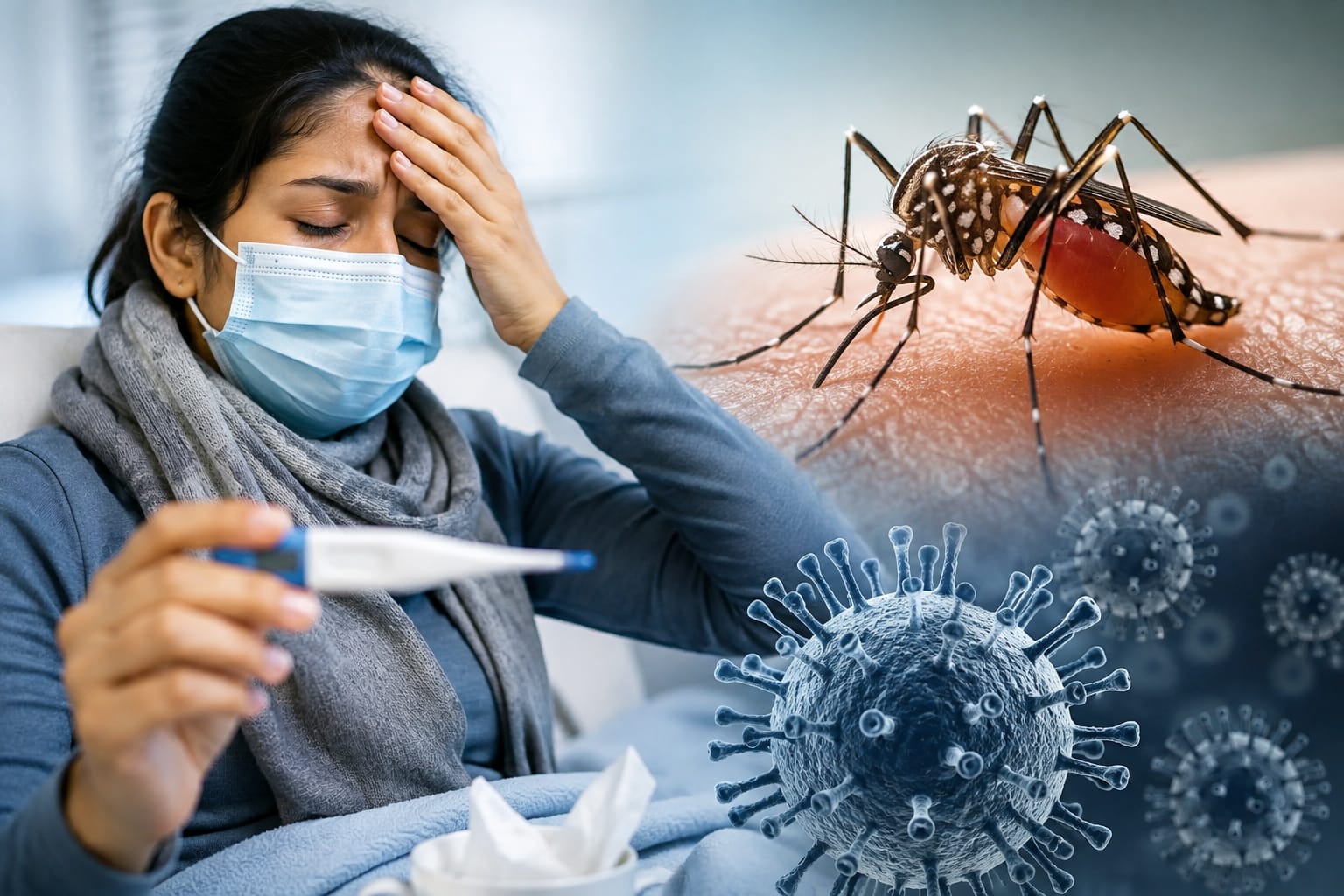
Alongside the rise in influenza cases, Delhi is also maintaining vigilance against dengue, another major seasonal health concern.
Reports have highlighted an increase in dengue activity and stressed the importance of preventing mosquito breeding. Residents have been advised to ensure that water does not remain stagnant in containers, coolers, flower pots, tyres, rooftop areas or other places where mosquitoes can breed.
The dengue report also highlights different dengue types and their commonly associated symptoms, including high fever, severe headache, body ache, weakness and, in some cases, other warning signs requiring medical attention.
How Delhi Residents Can Reduce Infection Risks
Residents can take simple precautions to reduce the risk of respiratory and mosquito-borne infections:
- **Avoid close contact with people who are unwell.
- **Maintain good hand and respiratory hygiene.
- **Cover the mouth and nose while coughing or sneezing.
- **Seek medical advice if fever or respiratory symptoms persist or worsen.
- **Do not self-medicate with antibiotics.
- **Keep surroundings clean and prevent stagnant water.
- **Regularly empty and clean coolers, containers and other water-holding items.
- **Give special attention to children, elderly people and those with existing health conditions.
The simultaneous presence of influenza and dengue concerns underlines the importance of continued public-health awareness. Early recognition of warning signs, timely medical consultation and preventive measures can help reduce the risk of severe illness and further transmission.