
New Delhi: HL August 27, 2026
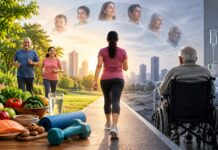
Growing older does not necessarily mean becoming physically weak or dependent. Increasing evidence suggests that the quality of ageing is strongly influenced by physical activity, nutrition, muscle strength and the health reserve built earlier in life.
In India, the issue is particularly important as the country’s elderly population continues to grow. The World Health Organization distinguishes between life expectancy and healthy life expectancy (HALE)—the latter measures the average number of years a person can expect to live in full health. WHO data show that India’s HALE at birth was about 58.1 years in 2021, compared with a life expectancy of considerably more years.
LASI Data Shows Significant Frailty Among Older Indians
The Longitudinal Ageing Study in India (LASI) provides one of the most comprehensive pictures of ageing in the country.
A study based on LASI Wave 1 analysed 30,978 adults aged 60 years and above. Researchers assessed frailty using factors including exhaustion, weak grip strength, slow walking speed, unintentional weight loss and low physical activity. Overall frailty was reported in 27.9% of men and 33.2% of women in the study population.
One of the strongest signals was grip strength. Weak grip strength was the most prominent frailty component among men, affecting about 79.1% of male participants under the study’s criteria. Among women, low physical activity was particularly prominent, affecting about 81.6%.
These findings underline why muscle strength and everyday movement deserve greater attention during ageing.
Building Muscle Reserve Before Old Age
Muscle and bone health are not issues that begin after retirement. The physical reserve accumulated during young and middle adulthood can influence how well a person copes with ageing.
A sedentary lifestyle, prolonged sitting and insufficient resistance exercise can gradually reduce muscle strength. Simply maintaining body weight does not necessarily mean maintaining muscle quality.
This is why healthy ageing strategies increasingly focus not only on cardiovascular fitness but also on strength, balance, mobility and functional independence.
Why Walking Alone May Not Be Enough
Walking is an important form of physical activity and can provide cardiovascular and mobility benefits. However, activities that challenge muscles against resistance are particularly important for maintaining muscle strength and functional capacity.
For older adults, appropriately supervised exercises can include resistance bands, body-weight movements, sit-to-stand exercises and light weights. The appropriate intensity should depend on a person’s age, fitness level, medical conditions and physical ability.
The objective is not bodybuilding. It is to preserve the strength required for everyday activities such as standing from a chair, climbing stairs, carrying groceries and maintaining balance.
Nutrition Is Another Piece of the Puzzle
Ageing is also closely connected with nutrition. Adequate dietary protein is important for maintaining muscle, while calcium, vitamin D and other nutrients contribute to bone health.
India has a substantial burden of vitamin D insufficiency and deficiency. A systematic review of studies involving apparently healthy Indians reported vitamin D deficiency prevalence in the range of 70%–90% across age groups, although prevalence varies between populations and depends on the definition and study methodology used.
For older adults, diets containing protein-rich foods such as dal, milk, curd, paneer, eggs, fish, meat, soy and other legumes can help meet nutritional requirements. Individual protein needs vary, particularly in people with kidney disease or other medical conditions, so personalised medical or dietary advice may be necessary.
Vitamin D and Bone Health
Bone health becomes increasingly important with advancing age. Reduced bone density can increase the risk of fractures, particularly when combined with poor balance and muscle weakness.
Vitamin D plays a role in calcium metabolism and bone health, but supplementation should not be treated as a universal solution. Testing and supplementation decisions should be based on individual circumstances and medical advice.
WHO data also show that the gap between life expectancy and healthy life expectancy remains significant among Indians aged 60 and above. In 2021, life expectancy at age 60 was around 16.5 years for women and 14.8 years for men, while healthy life expectancy at that age was about 11.9 and 11.2 years, respectively.
The ‘Use It or Lose It’ Principle
One of the biggest challenges in elderly care can be excessive protection.
Families may gradually take over activities such as climbing stairs, carrying light objects, walking outside or doing household tasks in an attempt to protect older relatives. While assistance is essential when someone is genuinely at risk, unnecessary inactivity can contribute to further loss of strength and independence.
The goal of healthy ageing should therefore be safe independence rather than complete dependence.
Older adults should be encouraged to remain physically active within their capabilities, with appropriate precautions and professional guidance where necessary.
What Can Be Done?
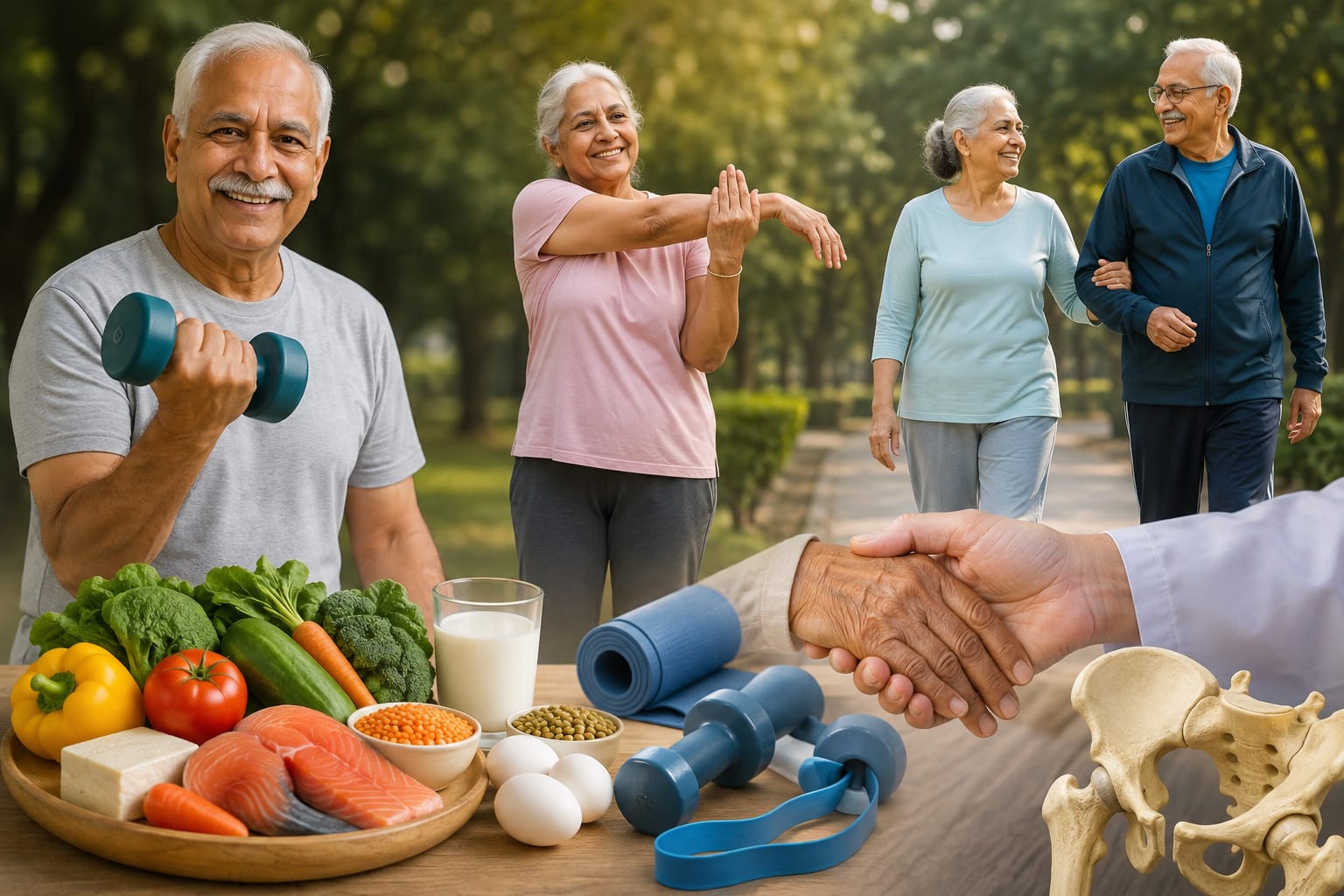
Experts generally recommend a combination of physical activity, resistance exercise, adequate nutrition and preventive healthcare for healthy ageing.
Key measures include:
- Strength training: Incorporate resistance exercises around two or more days a week when medically appropriate.
- Regular movement: Avoid prolonged periods of sitting and maintain everyday physical activity.
- Protein-rich diet: Include adequate protein from foods such as pulses, dairy products, eggs, soy, fish or other suitable sources.
- Bone health: Discuss calcium, vitamin D and bone-density assessment with a healthcare professional when appropriate.
- Balance exercises: Include activities that help reduce the risk of falls.
- Medical assessment: Persistent weakness, unexplained weight loss, repeated falls or difficulty performing routine activities should be medically evaluated.
The Bigger Message: Ageing Does Not Have to Mean Frailty
The evidence does not support the idea that frailty is simply an unavoidable consequence of getting older. Frailty is influenced by multiple factors, including physical activity, nutrition, chronic diseases, social circumstances and accumulated health risks.
For India, the challenge is to shift the focus from simply living longer to living healthier for longer.
Building muscle and bone strength early, maintaining activity throughout adulthood and ensuring adequate nutrition may help people enter old age with a greater physical reserve.
The message is simple: protecting older adults does not always mean doing everything for them. Sometimes, helping them stay safely active is the better form of care.
Important: Frailty, osteoporosis and nutritional deficiencies require individual assessment. Exercise or supplementation should be tailored to a person’s health status, medications and physical ability.