
New Delhi : HL August 28, 2026
The word Salmonella can cause confusion because typhoid is also caused by a Salmonella bacterium. But Salmonella infection (salmonellosis) and typhoid fever are not the same illness.
Salmonellosis is most commonly an acute intestinal infection caused by non-typhoidal Salmonella (NTS). It commonly produces diarrhoea, abdominal cramps, fever, nausea and sometimes vomiting. Typhoid, on the other hand, is caused specifically by Salmonella Typhi, which can invade the bloodstream and cause a systemic illness.
Salmonella infection: What happens?
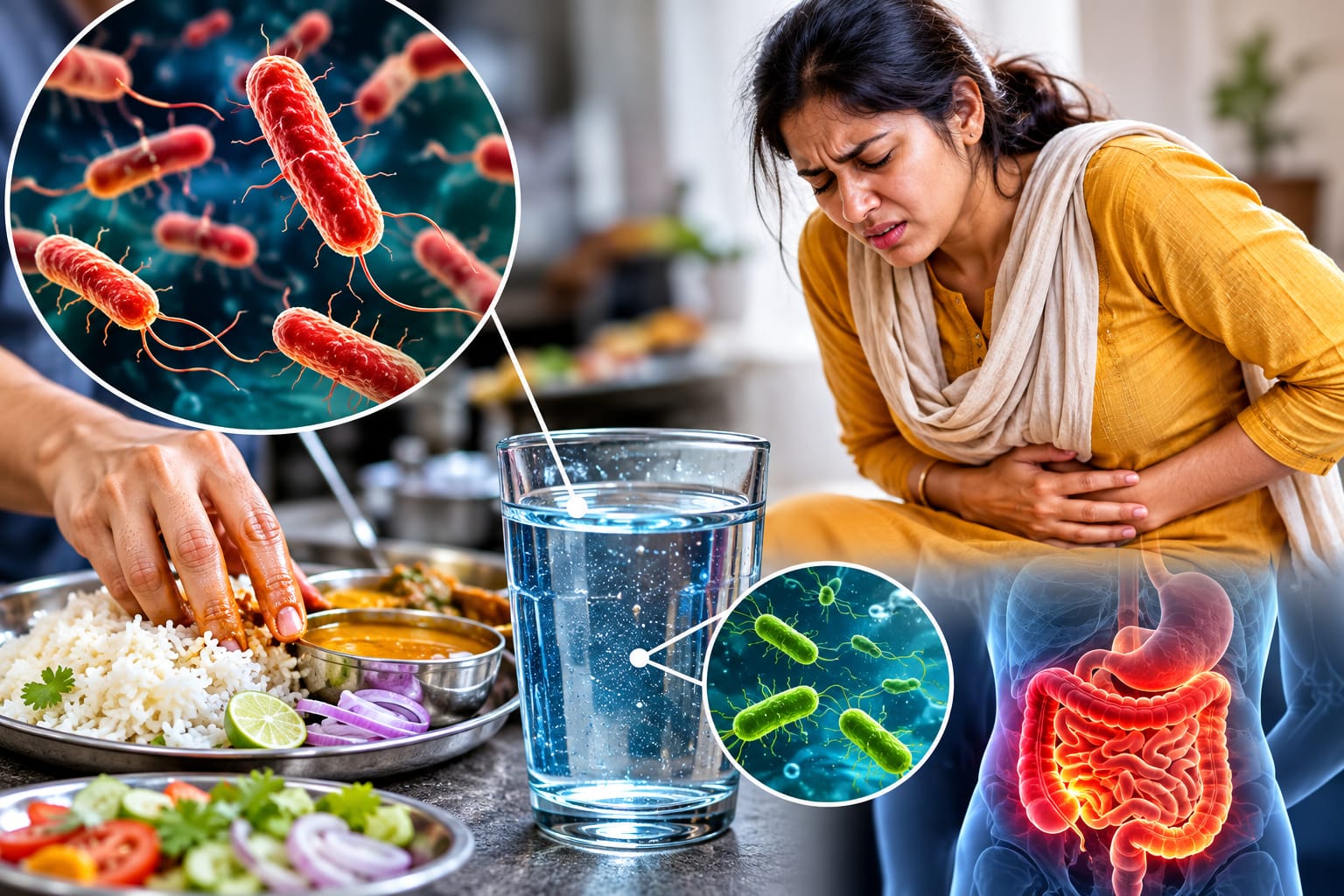
Non-typhoidal Salmonella is commonly associated with contaminated food or water and can cause acute gastroenteritis.
Typical symptoms include:
Sudden diarrhoea, occasionally with blood or mucus
Abdominal cramps
Fever
Nausea
Vomiting
Headache
Dehydration
Most otherwise healthy people recover with supportive treatment, particularly adequate fluids and electrolytes. Antibiotics are not routinely required for uncomplicated diarrhoeal salmonellosis and are generally reserved for severe infections or people at higher risk of invasive disease.
What is typhoid?
Typhoid fever is a different type of Salmonella infection. It is caused by Salmonella Typhi. Unlike typical food-poisoning-type salmonellosis, S. Typhi can cross the intestinal barrier, enter the bloodstream and produce a prolonged systemic illness.
Common symptoms include:
Persistent or progressively increasing fever
Weakness and fatigue
Headache
Abdominal pain
Loss of appetite
Constipation or diarrhoea
Sometimes a characteristic rash
Untreated typhoid can become serious, with complications including gastrointestinal bleeding, intestinal perforation and neurological complications.
Salmonella vs Typhoid: Key Differences
Feature Salmonellosis Typhoid fever
Main organism Usually non-typhoidal Salmonella Salmonella Typhi
Main illness Gastroenteritis Systemic/enteric fever
Typical symptoms Diarrhoea, cramps, fever, nausea/vomiting Prolonged fever, headache, weakness, abdominal symptoms
Bloodstream spread Possible but uncommon Characteristic part of disease
Onset Often relatively sudden Often gradual
Duration Usually days to about a week Can persist for weeks without treatment
Antibiotics Often unnecessary in healthy people Usually required
Vaccine No routine vaccine for ordinary NTS gastroenteritis Typhoid vaccines are available
Major concern Dehydration and, rarely, invasive infection Severe systemic complications and antibiotic resistance
Why this distinction matters in India
India continues to face a significant burden of enteric fever, and antibiotic resistance remains an important concern.
A 2026 analysis of Delhi-NCR surveillance data covering 2020–2024 examined 10,689 typhoidal Salmonella isolates. About 78% were S. Typhi and 21.5% were S. Paratyphi A. The study found persistent high non-susceptibility to ciprofloxacin, although multidrug resistance among S. Typhi had fallen to about 1% by 2024.
India’s National Centre for Disease Control surveillance has also continued to identify antimicrobial resistance among S. Typhi isolates, reinforcing the importance of laboratory-guided and medically supervised antibiotic treatment rather than self-medication.
How are they diagnosed?
Symptoms alone cannot reliably distinguish typhoid from many other infections.
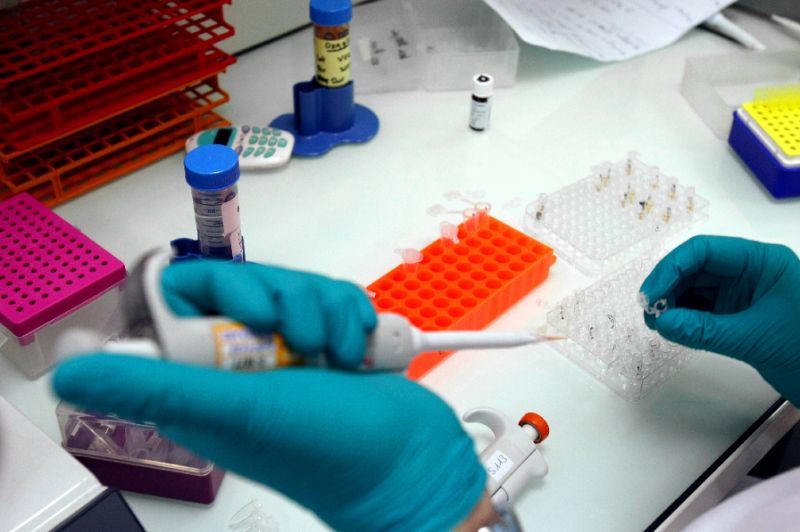
For suspected typhoid, blood culture is an important diagnostic test, while testing for diarrhoeal Salmonella may involve stool culture and antimicrobial susceptibility testing.
A particularly important point is that a positive Salmonella test does not automatically mean typhoid. The specific Salmonella serotype and the clinical picture matter.
When should you seek medical attention?
Medical evaluation is particularly important when there is:
Persistent or high fever
Blood in stool
Severe or continuing diarrhoea
Repeated vomiting
Signs of dehydration
Severe abdominal pain
Confusion, extreme weakness or reduced consciousness
Symptoms in a young child, elderly person or someone with significant underlying illness
Prevention: Food and water safety remain crucial
In India, prevention of both diarrhoeal Salmonella infection and typhoid depends heavily on safe food, safe drinking water and hand hygiene.
Practical precautions include:
Drink safe or appropriately treated water.
Wash hands with soap before eating and after using the toilet.
Eat food that is thoroughly cooked and served hot.
Wash fruits and vegetables carefully.
Avoid food from places where hygiene and refrigeration are questionable.
Prevent cross-contamination between raw and cooked foods.
Consider typhoid vaccination according to medical advice, particularly for children and people at increased risk.
WHO recommends typhoid conjugate vaccination in appropriate populations, but vaccination does not provide complete protection, so food and water precautions remain important.
Salmonella infection is a broad term; typhoid is one specific Salmonella disease.
Most Salmonella diarrhoeal infections affect the intestine and improve with hydration and supportive care, whereas typhoid caused by Salmonella Typhi is a systemic infection that generally requires antibiotics and can become dangerous if untreated. Because antibiotic resistance is an evolving problem in India, antibiotics should not be started casually or based only on symptoms.
Important: This article is for public-health information and does not replace medical diagnosis or treatment. Persistent fever, severe diarrhoea, dehydration or blood in stool warrants medical evaluation.