
New Delhi: HL October 06, 2026
India is witnessing renewed cases of Lumpy Skin Disease (LSD) among cattle, prompting increased vigilance among livestock owners and animal health authorities. Since July 2026, cases have been reported in Uttar Pradesh, Rajasthan, Haryana, Punjab, Himachal Pradesh, Uttarakhand, Delhi and several other states. The Centre has advised states to strengthen disease surveillance, vaccination, isolation of infected animals and controls on livestock movement.
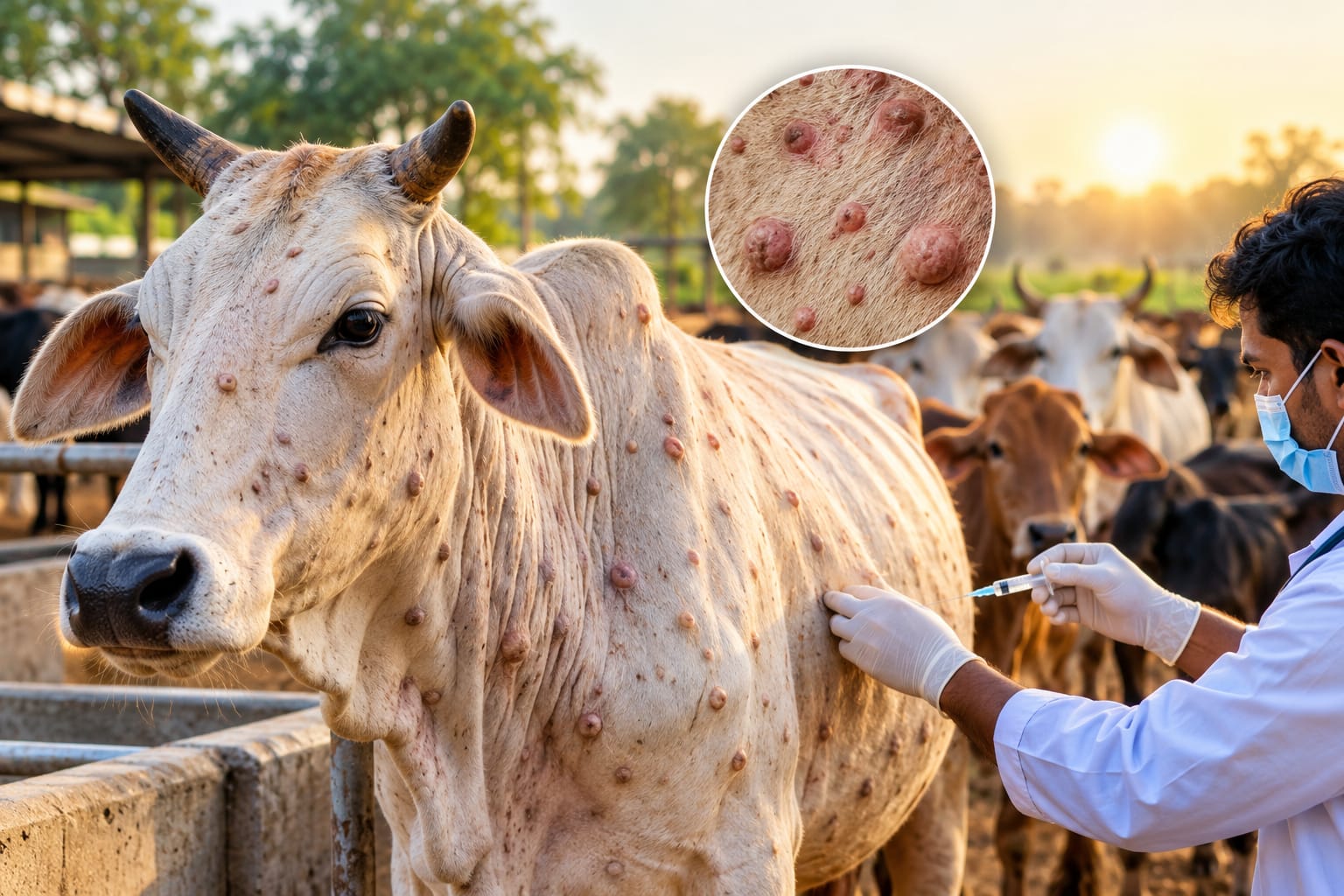
Lumpy Skin Disease is a viral disease that primarily affects cattle such as cows and buffaloes. It is caused by the Capripoxvirus and can spread through mosquitoes, biting flies and other blood-feeding insects. Common symptoms include fever, firm nodules on the skin, loss of appetite, weakness and a decline in milk production.
What Is the Situation in 2026?
According to the Department of Animal Husbandry and Dairying, cases have been reported across several states since July 2026, including among young animals and calves. Authorities have emphasised timely vaccination, ring vaccination around affected areas, isolation of infected cattle, vector control, sanitation and quarantine of newly introduced animals.
Delhi has also reviewed the situation with central and local animal husbandry authorities. As of September 13, 2026, around 584 active cases had been reported in Delhi, while more than 45,950 animals had been vaccinated. Officials said the situation was under control and affected animals were showing good recovery.
In Haryana, following suspected cases, the department advised authorities to strengthen ring vaccination, separation of infected animals from healthy cattle, restrictions on livestock movement and disease surveillance in affected areas.
Lessons from the 2022 Outbreak
Lumpy Skin Disease severely affected India’s livestock sector in 2022. Following that outbreak, the country strengthened vaccination programmes and disease surveillance mechanisms. Researchers have also stressed the importance of continued monitoring of changes in the virus and its transmission patterns.
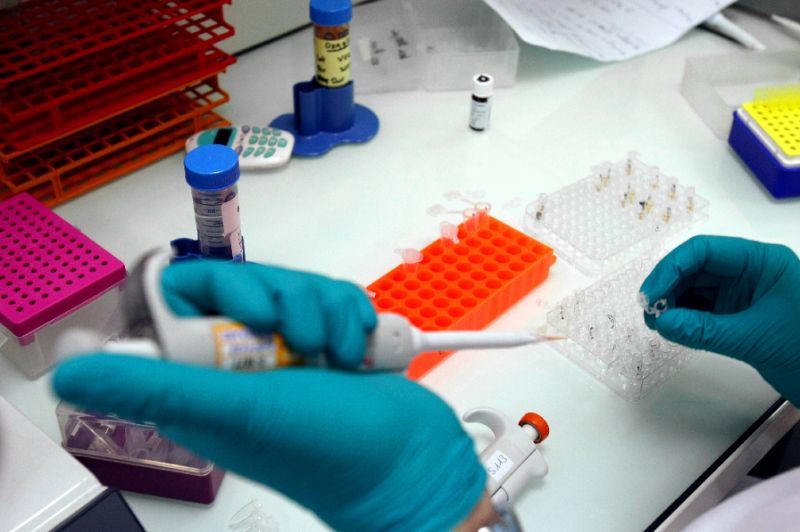
In April 2026, ICAR transferred an indigenous homologous live-attenuated vaccine technology developed for Lumpy Skin Disease for commercial production, marking another step towards strengthening India’s preparedness against the disease.
Why Cattle Owners Need to Remain Alert
To limit the spread of the disease, infected animals should be isolated promptly. Maintaining proper hygiene in cattle sheds, controlling insects and following veterinary advice on vaccination are important preventive measures. Unnecessary movement of cattle from affected areas should also be avoided.
Lumpy Skin Disease does not spread to humans, but it can cause significant economic losses through reduced milk production, treatment costs, lower animal productivity and, in severe cases, animal deaths.
The current situation should not immediately be described as a nationwide outbreak on the scale witnessed in 2022. However, with cases being reported in several states, timely vaccination, active surveillance and rapid containment measures remain critical to protecting India’s cattle population and the livelihoods of millions of livestock owners.