

New Delhi : HL September 13, 2026
The way people begin their mornings, recover from mental fatigue, build their careers and form emotional relationships can all be influenced by the way the brain works. Neuroscience offers valuable insights into these everyday experiences, showing how biological rhythms, brain chemistry, learning and social bonding interact with behaviour.
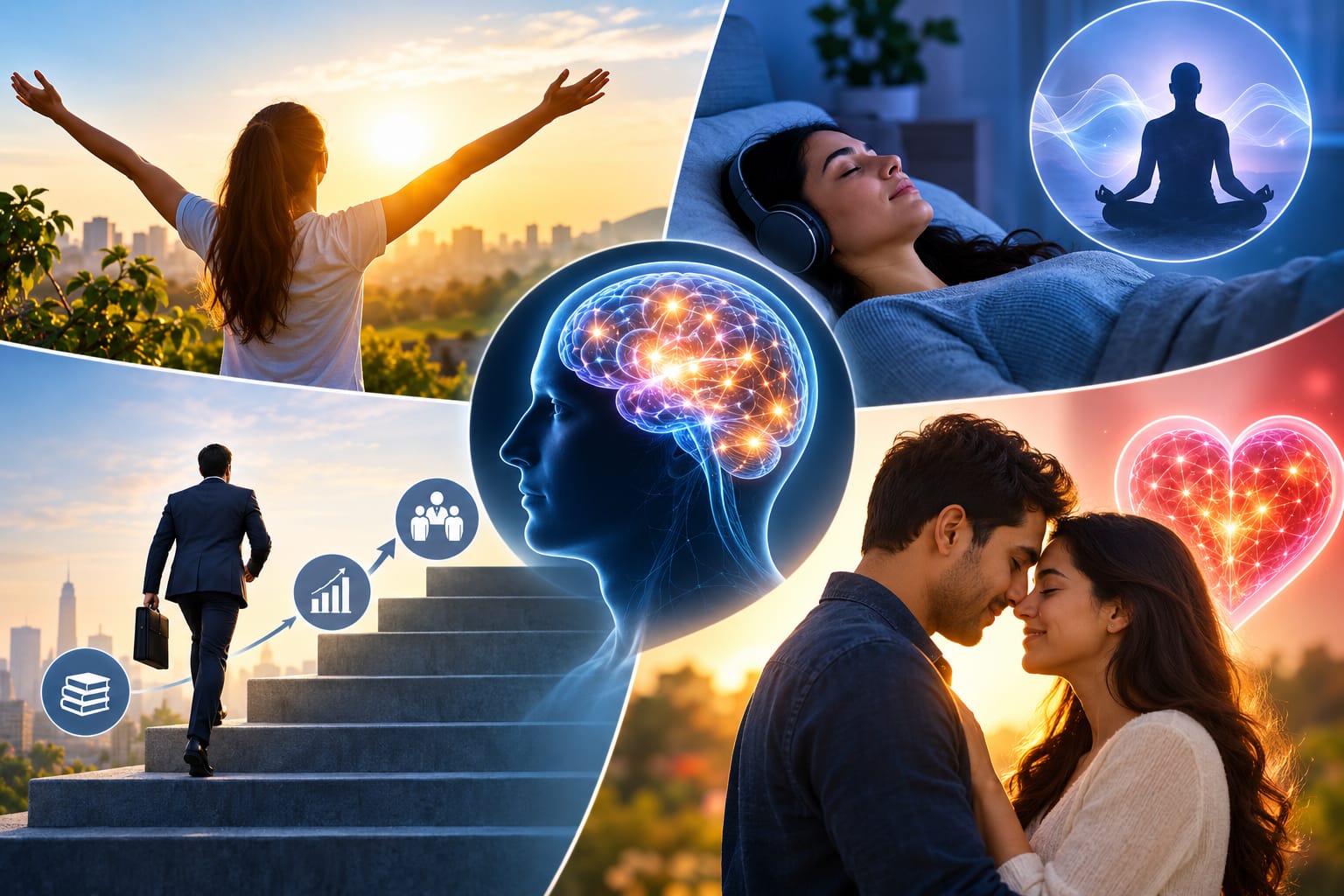
From getting natural light after waking up to understanding the importance of proper sleep and developing specialised skills, several simple principles can help people better understand their brain and body.
Morning Sunlight: A Natural Signal for the Brain
One of the simplest habits associated with healthy daily rhythms is exposure to natural light in the morning.
When a person wakes up, light entering the eyes provides important information to the brain about the beginning of the day. Specialised light-sensitive cells in the eyes communicate with areas of the brain involved in regulating the body’s internal clock, helping align the circadian rhythm with the external day-night cycle.
Morning light is particularly important because it helps establish the timing of biological processes that influence alertness during the day and sleepiness at night.
Natural outdoor light can be substantially brighter than typical indoor lighting. Spending time outside soon after waking can therefore provide a stronger environmental signal than relying solely on artificial light indoors.
Morning light is also connected with the body’s normal cortisol rhythm. Cortisol is often described as a stress hormone, but it also has an important role in normal daily alertness, metabolism and energy regulation. Cortisol naturally rises around the time of waking, and appropriately timed morning light helps reinforce the body’s daily biological schedule.
The exact duration of exposure is not identical for everyone. Weather, season, latitude, time of sunrise and cloud cover can all affect the intensity of light reaching the eyes.
Why Sleep Still Matters
Modern lifestyles often encourage people to sacrifice sleep in favour of work, entertainment or social commitments. But the brain does not simply stop needing recovery because the schedule is busy.
Sleep plays an important role in memory processing, emotional regulation, learning, attention and physical restoration. Repeated sleep deprivation can affect concentration, mood and performance.
This is where relaxation-based practices such as Non-Sleep Deep Rest, or NSDR, have attracted attention.
NSDR and Yoga Nidra: A Different Approach to Recovery
NSDR describes practices designed to bring the body and mind into a deeply relaxed state while the individual remains awake. Yoga Nidra is one traditional practice that shares several characteristics with this approach.
These techniques generally involve lying or sitting comfortably, reducing external stimulation and following guided instructions that encourage physical relaxation and focused awareness.
A short session may help a person feel calmer or mentally refreshed, particularly after periods of intense concentration or stress.
However, there is an important distinction: NSDR is not a substitute for sufficient sleep.
If someone has consistently inadequate sleep, relaxation techniques cannot provide all of the physiological functions of normal sleep. Instead, they can be viewed as an additional recovery tool that may complement healthy sleep habits.
The Brain and the Process of Learning
Neuroscience also provides an interesting perspective on professional development.
At the beginning of a career, individuals are often required to absorb large amounts of information, make mistakes, practise repeatedly and develop competence. This process involves the brain’s capacity to adapt in response to experience.
Rather than trying to master everything at once, developing depth in a particular area can create a valuable professional advantage.
A specialised skill takes time to develop because expertise is built through repeated exposure, deliberate practice, feedback and problem-solving. Over time, patterns that initially require significant conscious effort can become easier to recognise and execute.
This creates a natural progression in professional life.
Learning
The first stage is primarily about acquiring knowledge and skills. It involves asking questions, observing experienced people, practising and accepting that mistakes are part of the learning process.
Mastery
As competence increases, the focus can shift toward developing deeper expertise. The individual begins to recognise patterns, solve more complicated problems and make decisions with greater confidence.
Teaching and Leadership
Eventually, expertise can become more valuable when it is shared. Teaching colleagues, mentoring younger professionals and leading teams require a different set of abilities.
A person who understands a subject deeply may eventually move from simply performing a task to helping others perform it effectively.
This transition—from learner to specialist to mentor or leader—can be an important part of long-term career development.
Why Romantic Attraction Feels So Powerful
Human relationships provide another fascinating example of the interaction between biology and behaviour.
People frequently describe falling in love as something that happens in the heart. Scientifically, however, the experience involves complex activity throughout the brain and body.
Romantic attraction can activate neural systems associated with motivation, reward, attention and emotional significance.
Dopamine is one of the important neurotransmitters involved in the brain’s reward and motivation systems. When someone becomes strongly attracted to another person, interactions with that individual can acquire considerable emotional and motivational importance.
This can help explain why people may find themselves thinking repeatedly about someone they are attracted to, seeking their attention or experiencing heightened excitement around them.
But attraction is not controlled by a single chemical.
Dopamine, Oxytocin and Emotional Bonding
Oxytocin is another molecule frequently discussed in connection with social bonding and attachment. It participates in a range of physiological and social processes and has been studied extensively in the context of human relationships.
The development of a lasting relationship involves far more than dopamine or oxytocin alone. Multiple brain systems, hormones, memories, experiences, personality traits and social circumstances interact.
Early attraction and long-term attachment can therefore involve overlapping but distinct biological and psychological processes.
This also explains why human relationships cannot be reduced to a simple formula involving one neurotransmitter.
The Brain Responds to Repetition and Experience
One of the broader lessons from neuroscience is that the brain is constantly responding to experience.
Repeated behaviours can become increasingly familiar. Regular sleep and wake schedules can reinforce circadian timing. Repeated practice can strengthen skills. Relaxation techniques can become easier with experience. Social interactions can influence emotional associations and attachment.
This does not mean that the brain is infinitely programmable or that every habit produces a guaranteed biological outcome. Genetics, environment, age, lifestyle and individual circumstances all matter.
But it does highlight the importance of everyday behaviour.
Small Habits Can Shape the Bigger Picture
A healthier approach to brain health does not necessarily require complicated routines.
Getting appropriate natural light during the morning, protecting nighttime sleep, taking deliberate periods of relaxation, continuously developing useful skills and maintaining meaningful social connections can all contribute to a more balanced lifestyle.
The central lesson is not that one habit or one brain chemical controls human behaviour. Rather, the brain operates as a highly interconnected system in which light, sleep, learning, motivation, emotions and relationships continuously influence one another.
Understanding these connections can help people make better decisions about how they spend their mornings, manage fatigue, approach their careers and build relationships.