
New Delhi: HL September 13, 2026
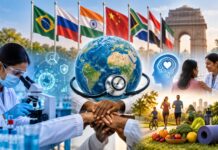
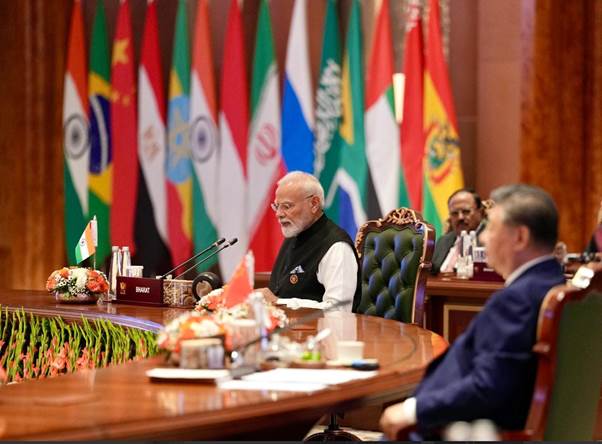
Traditional, Complementary and Integrative Medicine (TCIM) has received a significant boost at the 18th BRICS Summit, with the New Delhi Declaration welcoming the proposed establishment of a BRICS Expert Working Group on TCIM under the BRICS Health Track.
The initiative aims to create a structured platform for BRICS nations to cooperate on traditional medicine through research, evidence generation, knowledge exchange, quality standards and regulatory practices.
BRICS Focuses on Evidence-Based Traditional Medicine
The proposed Expert Working Group is expected to facilitate dialogue and collaboration among BRICS countries with long-standing traditions of traditional medicine. The focus will be on strengthening scientific research and ensuring that traditional, complementary and integrative medicine develops in a manner that prioritises safety, quality and efficacy.
India has highlighted the importance of taking Ayurveda and other traditional systems forward through scientific research, quality assurance and international collaboration.
Medicinal Plants and Herbal Preparations Get Special Attention
A key area identified in the declaration is greater cooperation in research involving medicinal plants and herbal preparations used for therapeutic and preventive purposes.
The shared traditional knowledge and pharmacopoeias of BRICS countries could provide a foundation for research into safe, effective and affordable therapeutic products.
Closer collaboration could help countries improve documentation, exchange scientific knowledge, strengthen pharmacopoeial standards and generate stronger evidence around traditional medicinal resources.
India’s BRICS Chairship Advances TCIM Cooperation
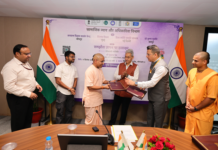
The development follows the BRICS Meeting on Traditional, Complementary and Integrative Medicine held in Chandigarh on July 21, 2026, during India’s BRICS Chairship.
The meeting brought together government officials, experts and delegates from BRICS nations to discuss cooperation in areas including research, education, knowledge exchange and regulatory frameworks. Consensus was also reached on the Terms of Reference for the proposed Expert Working Group.
The proposed group could subsequently provide a sustained platform connecting policymakers, research institutions, academics and traditional medicine experts across BRICS.
Quality, Safety and Scientific Evidence at the Centre
The New Delhi Declaration stresses that the development and use of TCIM should be supported by evidence-informed approaches and appropriate regulatory frameworks, taking into account the national contexts of individual Member States.
This could encourage greater exchange of expertise on:
Scientific research methodologies
Medicinal plant research
Herbal preparations
Pharmacopoeial standards
Quality assurance
Regulatory systems
Safety and efficacy assessment
Scientific validation of traditional practices
Education and capacity building
Traditional Medicine and Universal Health Coverage
The declaration links cooperation in TCIM with the broader objective of strengthening health systems and advancing Universal Health Coverage (UHC).
The approach reflects a shift from simply recognising traditional medicine to exploring how traditional systems can be studied, validated and responsibly integrated into healthcare where appropriate.
The initiative also comes amid growing international attention to traditional medicine and the need for stronger evidence, quality and safety standards.
A New International Platform for Ayurveda
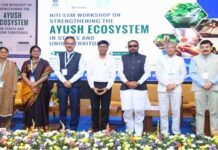
For India, the proposed BRICS Expert Working Group represents an important international opportunity for Ayurveda and the wider Ayush ecosystem.
With BRICS countries bringing diverse traditional healthcare knowledge and medicinal resources to the table, greater collaboration could support research partnerships, scientific documentation, regulatory cooperation and development of quality-assured products.
The New Delhi Declaration therefore goes beyond a symbolic recognition of traditional medicine. By placing TCIM within the BRICS Health Track and connecting it with research, evidence, quality, safety, efficacy and UHC, the initiative lays the groundwork for sustained international cooperation.
The proposed Expert Working Group could ultimately help bridge traditional knowledge and modern scientific research, while encouraging responsible approaches to traditional medicine and potentially contributing to safer, more affordable and accessible healthcare solutions.