
New Delhi: HL September 11, 2026
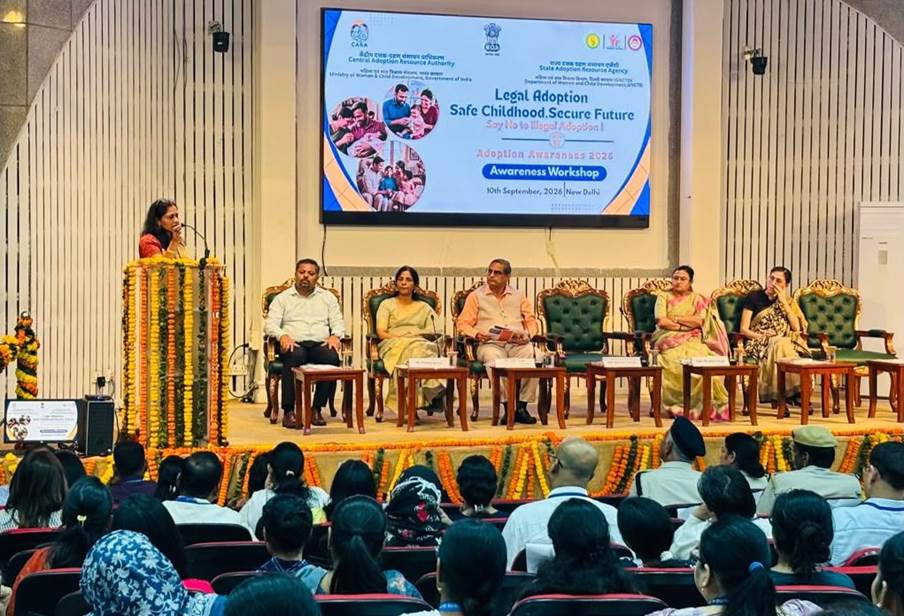
In a significant effort to strengthen safeguards for children and prevent illegal adoption practices, the Central Adoption Resource Authority (CARA), under the Ministry of Women and Child Development, Government of India, organised an Adoption Awareness Workshop in Delhi in collaboration with the Department of Women and Child Development, Government of NCT of Delhi, and the Delhi State Adoption Resource Agency (SARA).
Held at the Main Auditorium of the Delhi Secretariat, the workshop brought together around 200 stakeholders from across the child protection and adoption ecosystem. The programme focused on ensuring that adoption remains legal, transparent, regulated and centred on the best interests of the child.
The workshop was organised under the theme “Legal Adoption. Safe Childhood. Secure Future. Say No to Illegal Adoption.”
Strengthening the Child Protection Network
The event brought together officials and representatives from multiple sectors, including the Health Department, Delhi Police, Child Welfare Committees (CWCs), District Child Protection Units (DCPUs), Child Care Institutions (CCIs), Specialised Adoption Agencies (SAAs), Anganwadi workers and other grassroots-level functionaries.
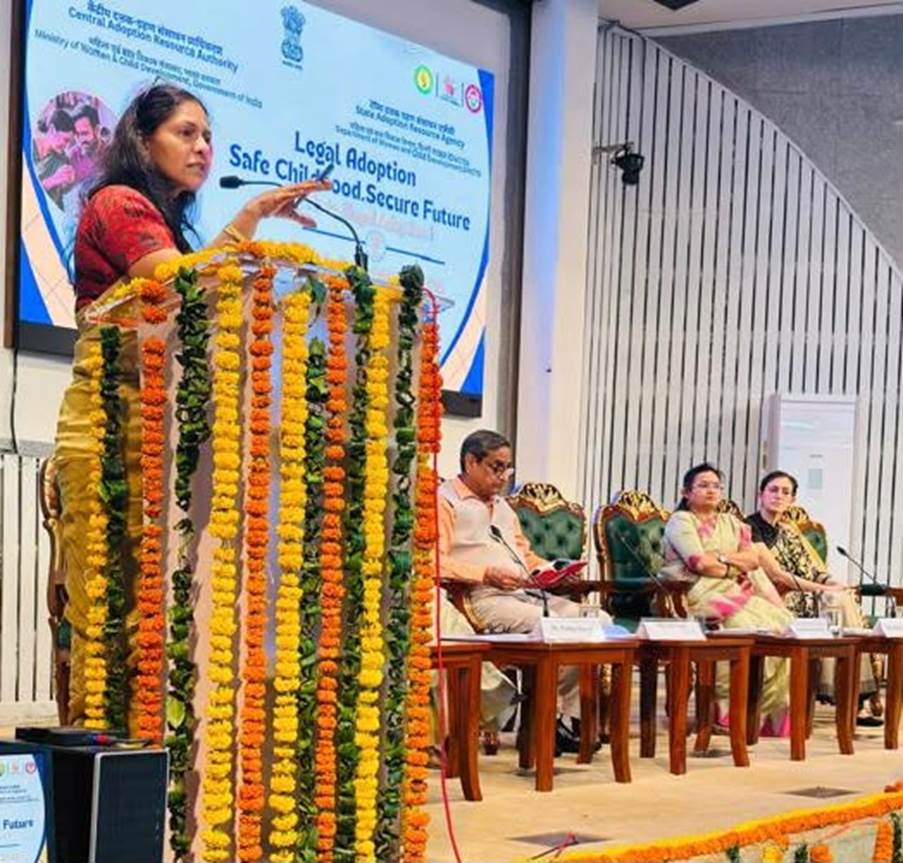
CARA CEO Bhavna Saxena stressed that awareness and vigilance across the entire child protection system are crucial to preventing illegal adoption.
She emphasised that there can be no shortcuts in the adoption process and called upon all stakeholders to ensure that prospective adoptive parents follow the authorised legal procedure while protecting the rights, dignity and best interests of every child.
Hospitals and Police Have a Critical Role
The workshop highlighted the important role played by hospitals, nursing homes, healthcare professionals and frontline health workers in identifying and preventing situations that could potentially lead to illegal adoption.
Police and judicial authorities were also sensitised about their responsibilities in responding to suspected cases and ensuring that children remain protected under the law.
Secretary, Department of Women and Child Development, Government of NCT of Delhi, Rashmi Singh, highlighted the significance of bringing together stakeholders ranging from Health and Police Departments to ANMs, Anganwadi workers, DCPUs and CWCs.
According to her, such participation reflects the need for an integrated institutional approach to creating safe and secure childhoods.
Three Sessions Examine Illegal Adoption Challenges
The workshop featured three thematic technical sessions covering important aspects of prevention and response.
The first session examined emerging trends and challenges related to illegal adoption, along with state and national responses.
The second focused on the role of hospitals, nursing homes, health systems, police and judiciary in preventing illegal adoption.
The third session addressed ways to strengthen the child protection system, with specific attention to SARAs, CWCs, DCPUs and CCIs.
The discussions underlined the importance of coordination between different institutions so that suspected cases can be identified and addressed at the earliest stage.
Real-Life Experience Highlights Ground-Level Challenges
A special experience-sharing session featured Arun Sharma, DCPO, who spoke about combating illegal adoption from a field perspective.
The session provided practical insights into the challenges faced by child protection officials and the importance of timely intervention. It also highlighted the role of frontline functionaries in identifying vulnerable situations and ensuring that children are brought within the formal child protection and legal adoption framework.
Fiction Film on Legal Adoption Launched
A fiction film on legal adoption was also launched during the workshop as part of the awareness initiative.
The film aims to communicate the importance of using the authorised adoption system while highlighting the risks associated with illegal adoption in a format that can reach a wider audience.
Play Raises Awareness About Child Rights
The programme also featured a play presented by DMRC Salam Baalak Trust, focusing on child rights, child protection and safety.
The performance reinforced the message that safeguarding children is not the responsibility of one department alone. Families, communities, government agencies, healthcare institutions, police, civil society and frontline workers all have a role to play.
Interactive Quiz Reinforces Key Messages
The workshop concluded with an interactive quiz designed to test participants’ understanding of legal adoption procedures, child protection provisions and the responsibilities of different stakeholders.
The activity helped reinforce the key messages discussed during the technical sessions while encouraging participants to engage with the subject in an interactive manner.
Why Illegal Adoption Is a Serious Child Protection Concern
The National Adoption Awareness Month 2026 theme—“Legal Adoption. Safe Childhood. Secure Future. Say No to Illegal Adoption!”—seeks to draw attention to the dangers associated with adoption outside the authorised legal framework.
Illegal adoption can deprive children of important legal safeguards, identity, rights and protection. It also undermines the regulated, transparent and child-centric adoption system established under Indian law.
The workshop therefore placed strong emphasis on timely reporting, institutional coordination, legal compliance and child-centred decision-making.
A Collective Responsibility for Every Child
The Delhi workshop brought together a wide network of stakeholders—from senior government officials and police personnel to medical professionals, CWCs, DCPUs, SAAs, CCIs, ASHA and ANM workers, Anganwadi workers, civil society organisations and media representatives.