
NEW DELHI: HL September 14, 2026
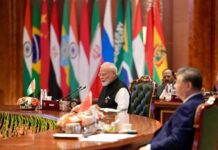
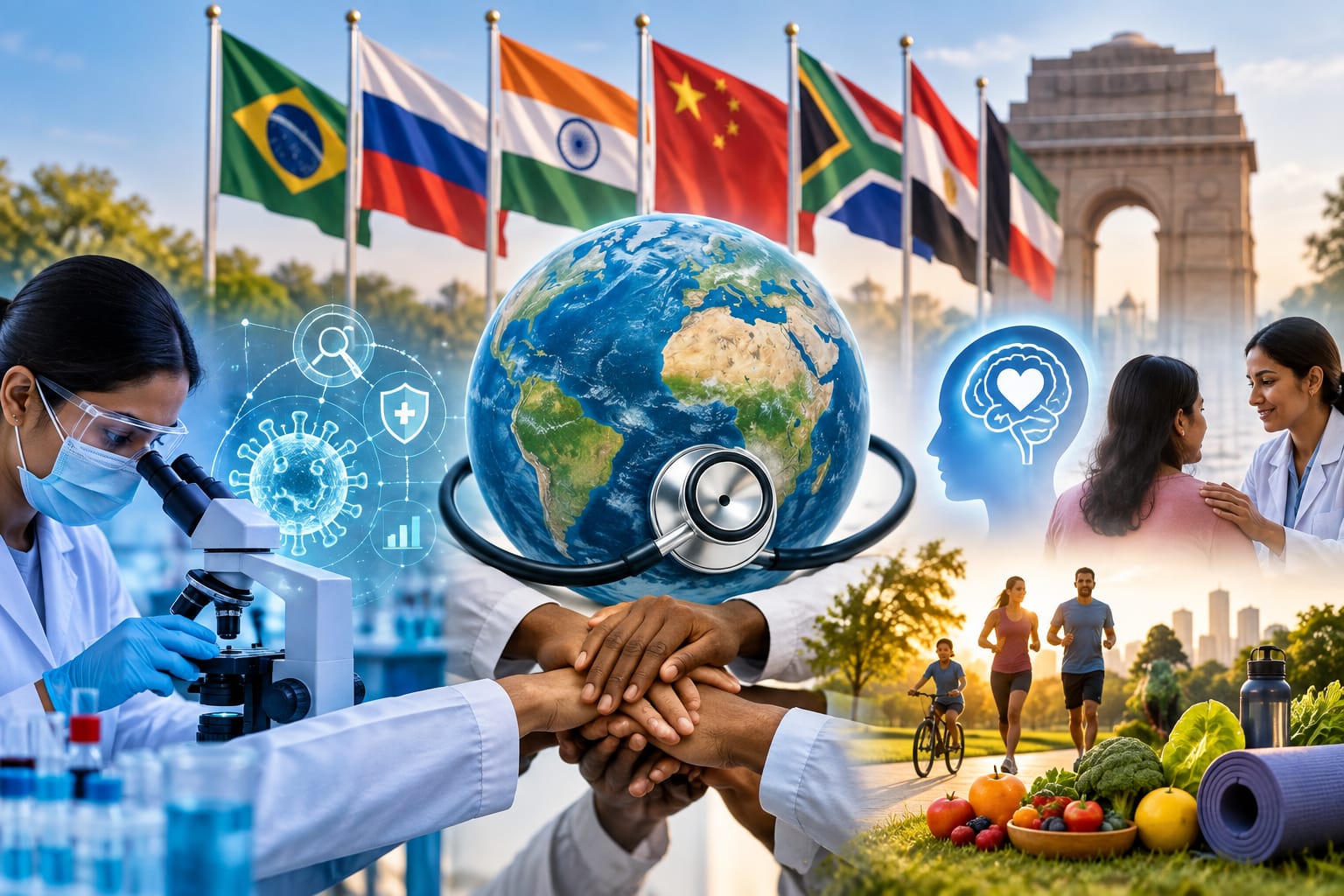
Health security and stronger cooperation on emerging health challenges emerged as important priorities at the 18th BRICS Summit held in New Delhi, with member countries placing greater emphasis on pandemic preparedness, infectious disease surveillance, mental health and the prevention of non-communicable diseases.
The health-focused outcomes reflect a broader BRICS effort to strengthen health systems and improve countries’ ability to respond collectively to future public-health emergencies.
Early Warning System for Infectious Diseases
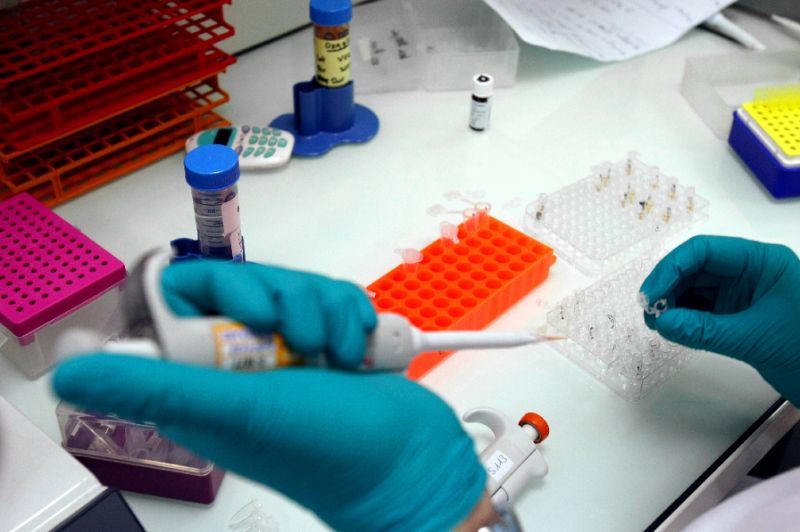
One of the significant areas of cooperation is the development of an early warning mechanism for infectious diseases. Such a system is intended to strengthen the ability of participating countries to identify potential outbreaks at an early stage and improve coordination in responding to emerging health threats.
The initiative places greater importance on disease surveillance, information sharing and preparedness, particularly in an increasingly interconnected world where infectious diseases can spread rapidly across borders.
Stronger early detection can help health authorities assess risks sooner, coordinate responses and reduce the potential impact of outbreaks on communities and health systems.
BRICS Centres of Excellence for Mental Health
Mental health has also received greater attention under the BRICS health agenda.
The summit backed the development of a network of BRICS Centres of Excellence for mental health, aimed at encouraging cooperation among member countries in areas such as research, knowledge exchange, capacity building and evidence-based approaches to mental-health challenges.
NIMHANS has been identified as the coordinating institution for this initiative, providing an important role for India in facilitating collaboration among BRICS countries.
The emphasis on mental health also reflects the growing recognition that psychological well-being is an integral part of overall health and resilient health systems.
Focus on Non-Communicable Diseases
BRICS countries also reaffirmed the importance of tackling non-communicable diseases (NCDs), including conditions associated with lifestyle and long-term health risks.
NCDs place a significant burden on individuals, families and healthcare systems because they often require long-term prevention, diagnosis, treatment and care.
The BRICS health agenda therefore places increasing importance on prevention, healthier lifestyles and public awareness alongside medical treatment.
Mission for Healthy Lifestyle 2026–29
The BRICS Mission for Healthy Lifestyle 2026–29 is another important component of the health cooperation agenda.
The initiative seeks to encourage healthier behaviours and strengthen preventive approaches to disease. Its focus is particularly relevant to the growing burden of lifestyle-related illnesses and other chronic conditions.
Promoting physical activity, healthier dietary practices, preventive healthcare and awareness can play an important role in reducing the long-term risk of NCDs.
From Pandemic Response to Health-System Resilience
The health outcomes of the New Delhi Summit indicate that BRICS cooperation is moving beyond responding to health emergencies after they occur.
The emphasis is increasingly on preparedness, early detection, prevention, research, knowledge sharing and resilient health systems.
The combination of infectious-disease surveillance, mental-health cooperation and NCD prevention provides a broader framework for addressing both sudden health emergencies and long-term public-health challenges.
India’s Role in the BRICS Health Agenda
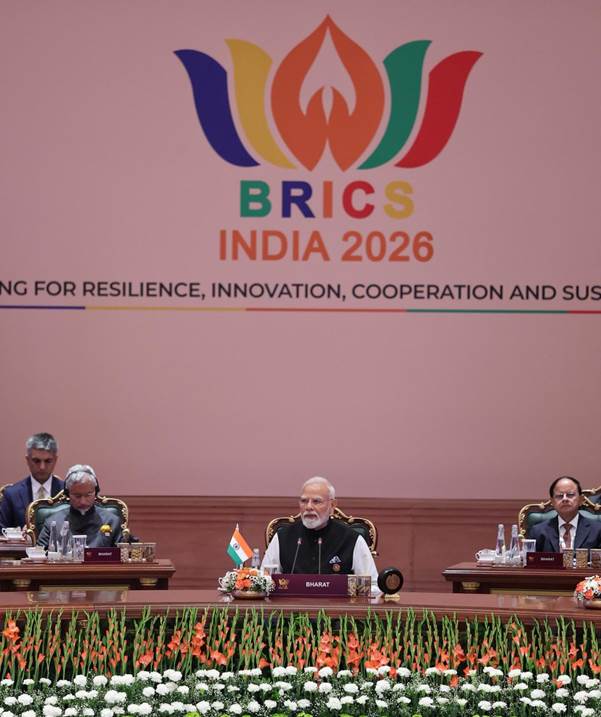
For India, the health sector outcomes provide an opportunity to strengthen its role in international health cooperation.
India’s institutions, including NIMHANS, can contribute expertise and facilitate collaboration with partner countries. The focus on prevention and healthy living also aligns with the wider shift towards strengthening public-health systems rather than relying exclusively on curative healthcare.
The New Delhi Summit consequently places health among the important areas where BRICS countries can build practical, long-term cooperation.
Key Health Takeaways from BRICS Delhi Summit
- Early warning cooperation for infectious diseases
- Greater preparedness for future pandemics and health emergencies
- Creation of a BRICS network of Centres of Excellence for mental health
- NIMHANS as a coordinating institution for the mental-health initiative
- Stronger cooperation against non-communicable diseases
- Promotion of preventive healthcare and healthier lifestyles
- BRICS Mission for Healthy Lifestyle 2026–29
- Greater emphasis on resilient and sustainable health systems
- Increased exchange of health expertise, research and best practices
The New Delhi health agenda signals a shift towards prevention, preparedness and collaboration—bringing infectious-disease security, mental well-being and healthy living together as key pillars of future BRICS health cooperation.