
NEW DELHI: HL October 15, 2026
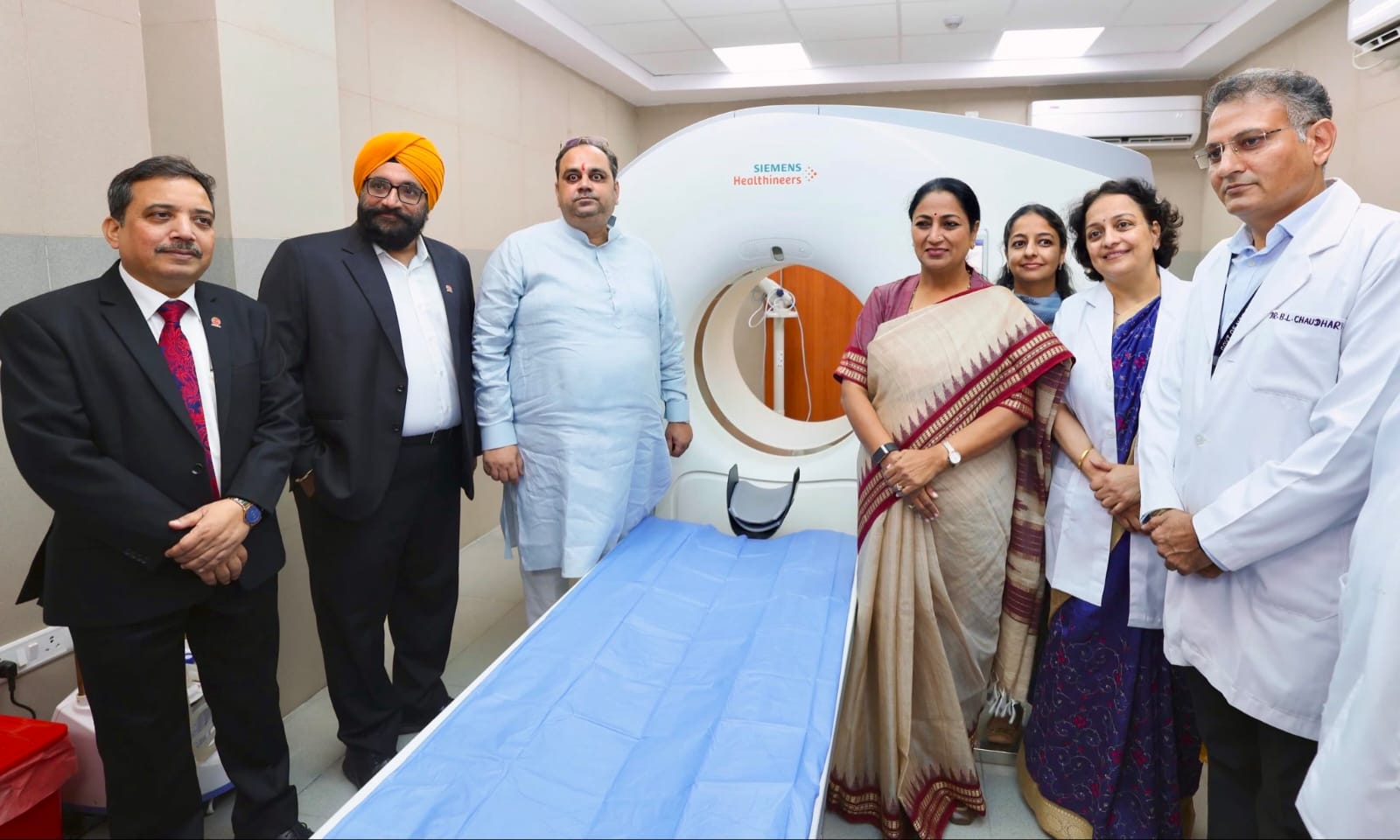
The Delhi government is strengthening advanced diagnostic facilities at Lok Nayak Hospital with the installation of a third-generation Dual Source CT Scanner and a 3-Tesla MRI system. Chief Minister Rekha Gupta inaugurated the state-of-the-art equipment under the government’s Sankalp Abhiyan, marking a significant step towards modernising public healthcare infrastructure in the national capital.
The advanced machines have been provided to the hospital by Indian Oil Corporation Limited (IOCL) under its Corporate Social Responsibility (CSR) initiative. The new equipment is expected to enhance diagnostic capacity, improve the speed and precision of medical investigations and support timely clinical decisions, particularly for patients requiring specialised and emergency care.
Third-Generation Dual Source CT Scanner for Faster Diagnosis
The newly installed Dual Source CT Scanner incorporates advanced imaging technology designed to deliver high-resolution scans with exceptional speed. The third-generation system is equipped with two Vectron X-ray tubes, a generator power of 2 × 120 kW and Stellar Infinity Detectors. It can produce images with slices as thin as 0.5 mm, enabling detailed examination of different parts of the body.
One of the system’s major advantages is its ability to complete a chest scan in less than one second. This capability can be particularly valuable in emergency departments and critical care settings, where rapid assessment is essential for patients with serious injuries, trauma or potentially life-threatening conditions.
The scanner also incorporates artificial intelligence-enabled dose-optimisation technologies, including CARE kV, CARE and Adaptive Dose Shield. These features help optimise radiation exposure while supporting diagnostic image quality.
Another specialised capability is the assessment of kidney stone composition and the detection of uric acid crystal deposits associated with gout without additional radiation exposure. Such information can help clinicians determine appropriate treatment strategies and improve the evaluation of certain metabolic and musculoskeletal conditions.
With these advanced capabilities, the CT scanner is expected to strengthen diagnostic services across emergency medicine, trauma care, cardiology, oncology and other clinical specialities.
3-Tesla MRI System to Strengthen Specialised Imaging
The advanced 3-Tesla MRI system will further expand Lok Nayak Hospital’s capabilities in detailed diagnostic imaging. The system features BioMatrix Technology, a 70 cm wide-bore design, a fully digital Tim 4G platform, DirectRF Technology and high-performance gradients.
These technologies are designed to support high-quality imaging, efficient examinations and improved patient comfort. The wide-bore design may also help make scanning more comfortable for patients who experience difficulty in confined spaces, although individual suitability depends on clinical circumstances.
The MRI system will strengthen investigations across several specialities, including neurology, angiography, cardiac imaging, oncology, breast imaging, urology, orthopaedics and paediatric care.
Advanced MRI imaging is particularly important in assessing neurological conditions, cardiovascular diseases, cancers and musculoskeletal disorders. The new system is expected to support the early and accurate diagnosis of conditions such as stroke, cancer and cardiac disease, helping doctors plan treatment based on detailed imaging findings.
Focus on Timely Diagnosis and Better Patient Care
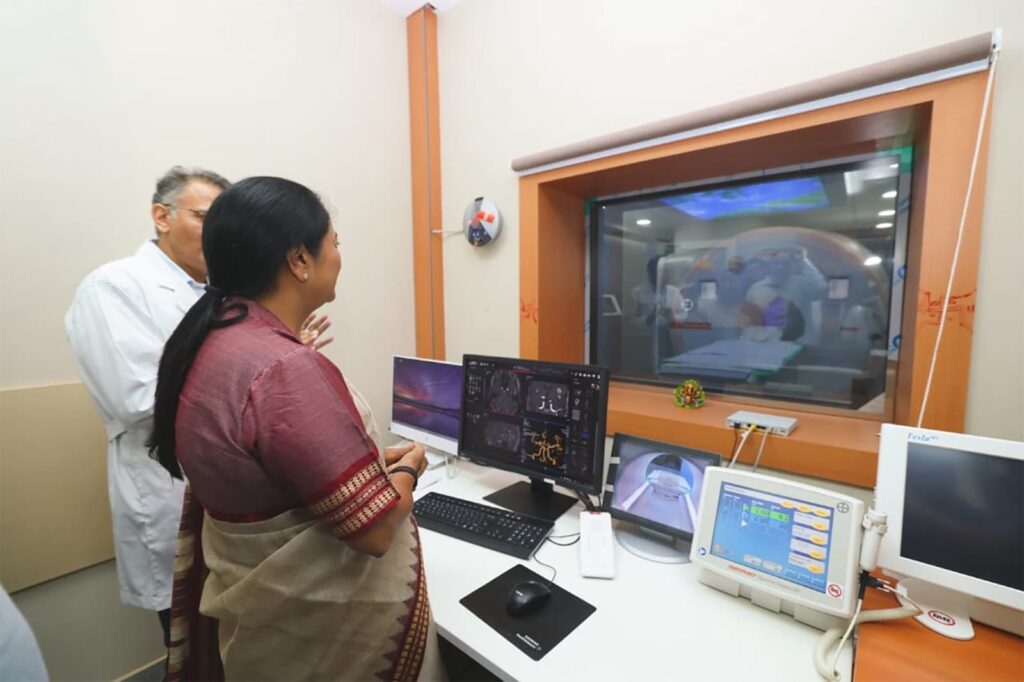
The introduction of these machines is part of the Delhi government’s broader efforts to modernise government hospitals, improve medical infrastructure and make advanced healthcare more accessible to the public.
Speaking during the inauguration, Chief Minister Rekha Gupta emphasised the government’s commitment to ensuring that financial constraints do not prevent citizens from accessing quality healthcare. The government is working to strengthen public hospitals through modern medical technology, improved infrastructure and expanded diagnostic capabilities.
Health Minister Dr. Pankaj Kumar Singh also highlighted the importance of advanced diagnostic services at Lok Nayak Hospital. The new facilities are expected to help doctors conduct investigations more efficiently and provide patients with access to specialised imaging within the public healthcare system.
Faster diagnostic procedures can be particularly important for patients with suspected strokes, traumatic injuries and other serious conditions in which timely assessment may influence treatment decisions. At the same time, high-resolution imaging can help clinicians investigate complex diseases and monitor patients more effectively.
The additional diagnostic capacity may also help hospitals manage patient workloads more efficiently. However, the extent to which waiting times decrease will depend on patient demand, staffing, machine availability and the operational scheduling of investigations.
Strengthening Delhi’s Public Healthcare Infrastructure
The installation of the third-generation Dual Source CT Scanner and the advanced 3-Tesla MRI system represents an investment in technology-driven healthcare at one of Delhi’s major government hospitals.
By combining rapid CT imaging with advanced MRI capabilities, Lok Nayak Hospital will be better equipped to support a wide range of diagnostic requirements, from emergency and trauma assessments to specialised neurological, cardiac and oncological investigations.
The initiative reflects a wider emphasis on improving the quality, accessibility and efficiency of public healthcare services in Delhi. With modern diagnostic equipment and continued investment in hospital infrastructure, the government aims to strengthen clinical services and improve the patient experience across the capital’s public health system.