
New Delhi: HL July 16, 2026
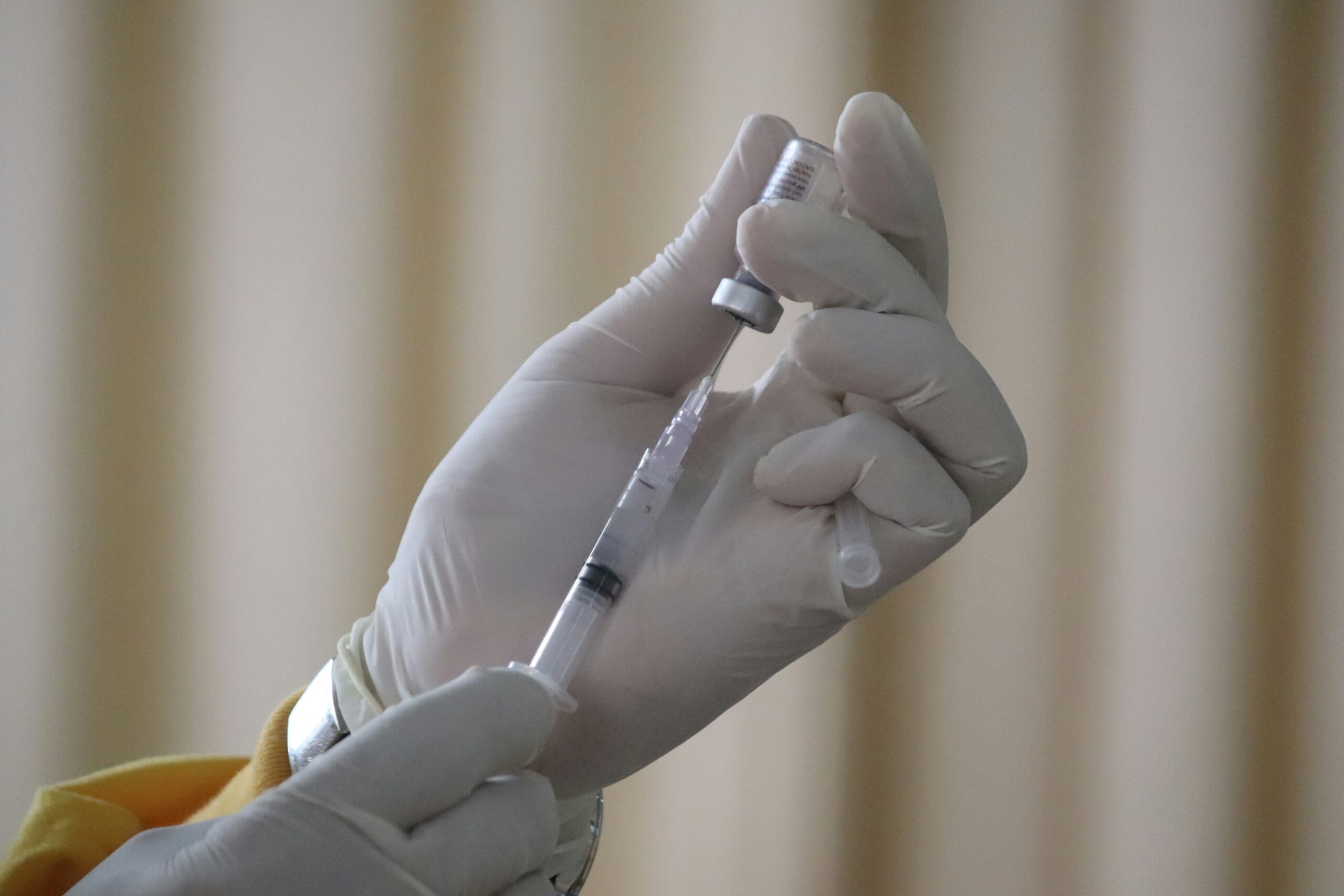
Global childhood immunization recorded modest progress in 2025, but millions of children remain without basic protection against life-threatening diseases, according to the latest WHO-UNICEF Estimates of National Immunization Coverage (WUENIC). The report reveals that 13.5 million infants did not receive a single vaccine during their first year of life, leaving them exposed to preventable infections and increasing the risk of disease outbreaks.
The assessment shows that around 85% of children worldwide—approximately 110 million—completed the recommended three-dose diphtheria, tetanus and pertussis (DTP3) vaccination schedule, while nearly 116 million infants (90%) received at least one dose of the vaccine. Although the number of “zero-dose” children fell by nearly 750,000 compared to 2024, international health agencies cautioned that progress remains uneven and fragile.
World Health Organization Director-General Dr. Tedros Adhanom Ghebreyesus said every child deserves equal access to life-saving vaccines, regardless of where they are born or the circumstances they face.
Measles Vaccination Gap Raises Global Concern
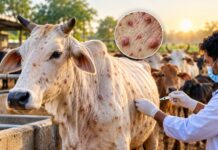
The report identifies measles as one of the biggest remaining challenges. Around 7.3 million infants received their first DTP vaccine but missed their first measles-containing vaccine (MCV1). Global measles vaccination coverage remains below the 95% level considered necessary to prevent widespread outbreaks.
In 2025:
84% of children received the first dose of the measles vaccine (MCV1).
77% received the second dose (MCV2).
As immunity gaps persisted, 57 countries experienced major or disruptive measles outbreaks during the year.
Health authorities highlighted recent outbreaks in Bangladesh and the United States as reminders of how rapidly measles can spread when vaccination coverage declines.
Bangladesh has reported over 113,000 suspected measles cases and 766 confirmed or suspected deaths, while the United States has recorded more than 2,200 confirmed cases across 42 jurisdictions, putting the country at risk of losing its measles elimination status.
WHO South-East Asia Region Officer-in-Charge Dr. Catharina Boehme warned that even small declines in vaccination coverage can quickly trigger outbreaks of highly contagious diseases.
Conflict and Poverty Continue to Limit Access
The report notes that more than half of all zero-dose children live in fragile, conflict-affected or vulnerable countries, despite these nations accounting for only about one-third of the global child population.
Armed conflict, political instability, displacement, weak health systems and chronic funding shortages continue to disrupt immunization programmes, preventing millions of children from receiving routine vaccines.
UNICEF Executive Director Catherine Russell said that while vaccination programmes have largely recovered from the disruptions caused by the COVID-19 pandemic, millions of children remain unreached because of conflict, poverty and displacement.
Mixed Progress Across Regions
The WUENIC report, which analysed data from 195 countries, presents a mixed global picture.
100 countries maintained DTP3 vaccination coverage of at least 90%.
30 countries improved coverage after falling below the 90% benchmark before the pandemic.
65 countries continue to report stagnant or declining vaccination rates, including 13 fragile or conflict-affected nations.
Among WHO regions, South-East Asia and the Americas have recovered to or surpassed pre-pandemic immunization levels, with South-East Asia emerging as the strongest performer. However, Africa, Europe and the Eastern Mediterranean remain below their 2019 coverage levels, while the Western Pacific continues to trail behind.
Funding Challenges Threaten Future Gains
WHO and UNICEF warned that reductions in international health funding could undermine recent progress and leave more children vulnerable to vaccine-preventable diseases.
The agencies urged governments and development partners to strengthen immunization services in fragile settings, combat vaccine misinformation, improve disease surveillance and ensure sustained domestic and international investment in vaccination programmes.
They stressed that achieving the Immunization Agenda 2030 targets will require continued political commitment and financial support to reduce the number of zero-dose children and prevent future outbreaks.