
New Delhi|HL
Calling metabolic disorders one of India’s fastest-growing public health challenges, the Institute of Liver and Biliary Sciences (ILBS) on Saturday urged the establishment of a National Centre for Liver and Metabolic Diseases to strengthen research, patient care and policy interventions.
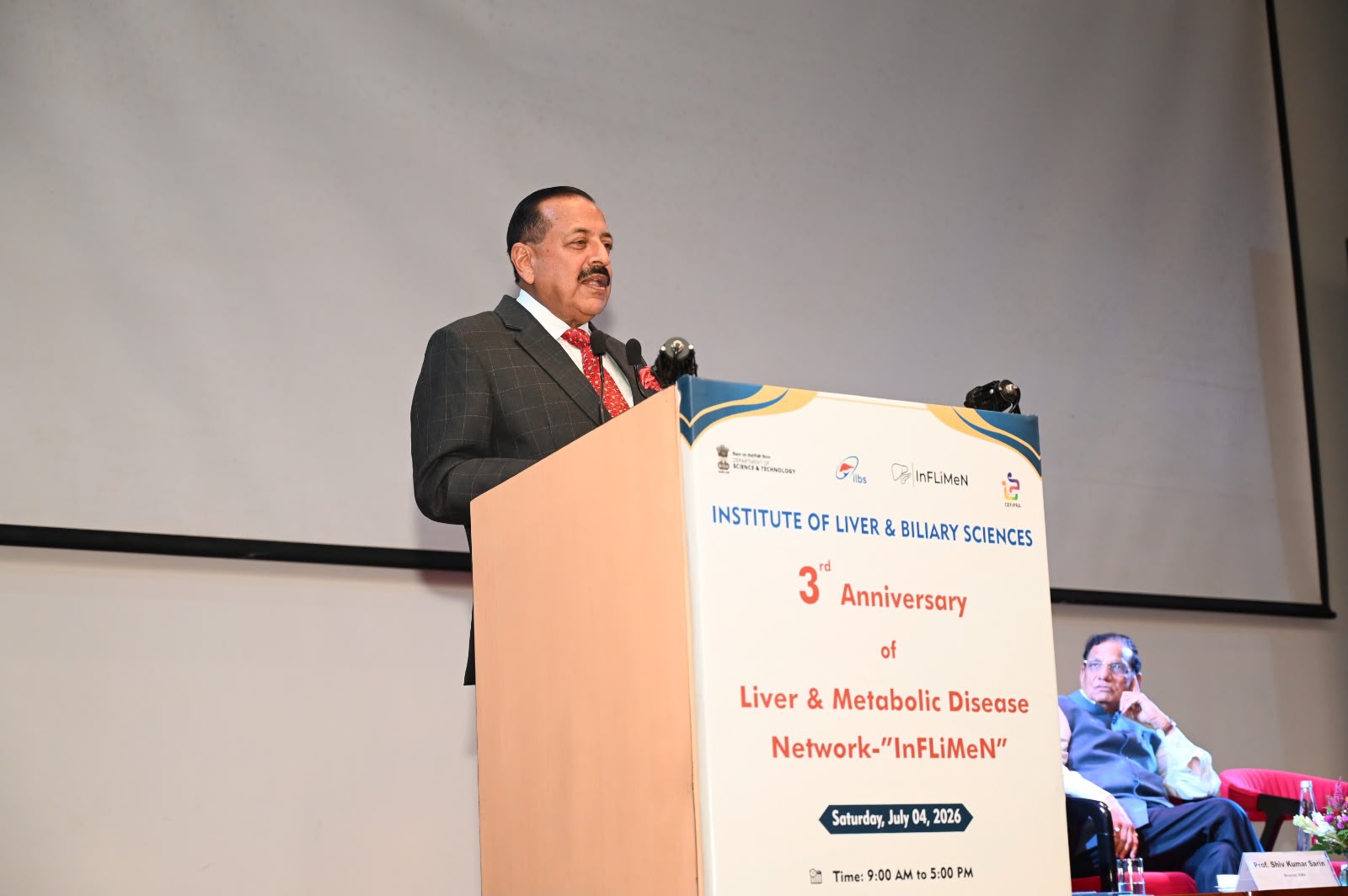
The proposal was made during the celebration of the third anniversary of the India–France Liver and Metabolic Disease Network (InFLiMeN), where leading clinicians, scientists, policymakers and international collaborators deliberated on strategies to tackle the increasing burden of liver and metabolic diseases.
While addressing the event Union Minister for Science & Technology and Earth Sciences Dr. Jitendra Singh said metabolic disorders are emerging as one of India’s most significant public health concerns. Stressing the need for preventive interventions from an early age, he highlighted paediatric obesity and metabolic disorders as areas requiring immediate attention.
The minister reaffirmed the Government of India’s commitment to supporting scientific research, innovation, public awareness and medical education aimed at improving liver and metabolic health. He also expressed support for establishing a National Centre for Liver and Metabolic Diseases at ILBS, stating that it could evolve into a national hub for research, clinical care and evidence-based policymaking.
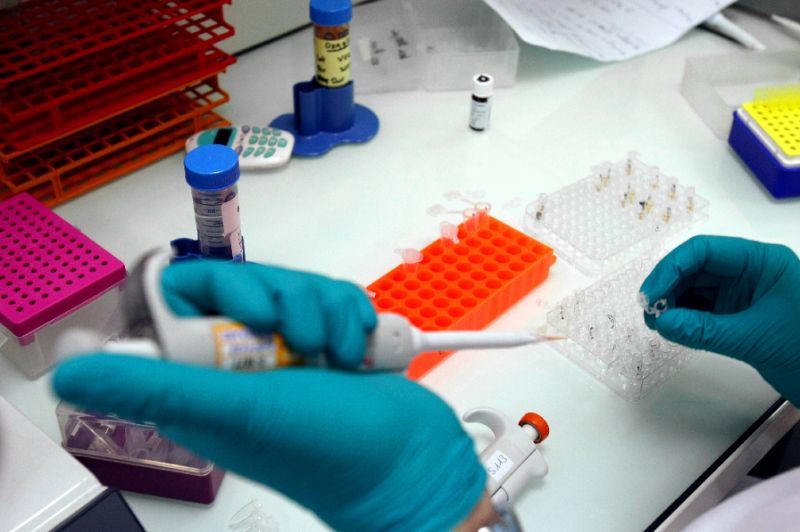
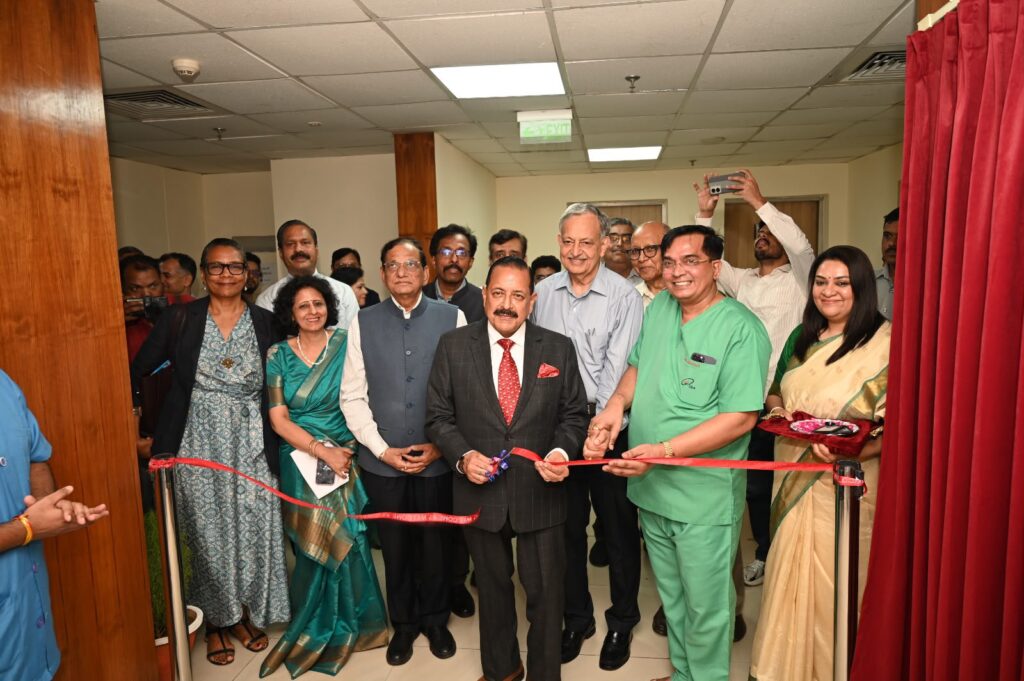
During the programme, Dr. Singh inaugurated ILBS’ Current Good Manufacturing Practice (CGMP) Facility for Cellular Therapy, which is expected to strengthen advanced translational research and accelerate the development of cell-based therapies. He also inaugurated the institute’s new Artificial Intelligence (AI) and Machine Learning (ML) Laboratory, aimed at enhancing data-driven research and precision medicine.
Speaking on the occasion, Department of Biotechnology Secretary Dr. Rajesh S. Gokhale said collaborative and multidisciplinary research would be critical to addressing the rapidly growing burden of metabolic diseases. Presenting research findings, he highlighted how tuberculosis bacteria affect the liver and contribute to resistance against isoniazid (INH), an important anti-tubercular drug. He also commended ILBS for establishing a dedicated AI and ML laboratory and bringing together experts from multiple disciplines.
ILBS Director Dr. Shiv Kumar Sarin outlined the achievements of InFLiMeN over the past three years and emphasized the success of the Indo-French collaborative initiative. Acknowledging the support of INSERM and Prof. Didier Samuel, he said strengthening international scientific partnerships remains essential for advancing liver and metabolic disease research.
Dr. Sarin proposed the creation of a National Centre for Liver and Metabolic Diseases at ILBS, saying an integrated institution combining research, clinical services, education, innovation and public health programmes would be vital for tackling the country’s growing metabolic disease burden.
He said effective action against metabolic diseases requires attention to five critical pillars—Problem, Population, Policies, Physicians and Products—and stressed that coordinated efforts across these areas are essential to improve health outcomes.
Delivering the keynote address, former NITI Aayog Member Dr. Vinod Paul underscored the importance of identifying biomarkers of metabolic disorders from the neonatal stage through young adulthood. Early screening and long-term monitoring, he said, could substantially reduce the future burden of non-communicable diseases.
Representing France, Science and Technology Attaché at the Embassy of France Dr. Sylviane Pied highlighted the importance of Indo-French scientific cooperation in addressing liver and metabolic diseases. She said collaborative initiatives such as InFLiMeN have emerged as successful models of international scientific partnership and should be further strengthened.
The conference concluded with a renewed commitment from 17 scientific groups across India to expand collaborative research in liver and metabolic diseases. Scientific sessions focused on recent advances in metabolic liver diseases, liver fibrosis, liver cancer and emerging therapeutic interventions, reinforcing ILBS’ role as a leading institution in liver and metabolic disease research.