
New Delhi| June 20, 2026
While hemophilia remains a lifelong genetic bleeding disorder requiring specialized medical care, experts believe that safe and supervised yoga can significantly improve the overall well-being of people living with the condition.
Speaking on the role of yoga in hemophilia management, Head of the Aadiyogam and trained at Morarji Desai National Institute of Yoga, Delhi, Yoga Guru Aanchal emphasized that yoga serves as a valuable complementary practice that supports physical fitness, emotional resilience, and confidence among patients.
“Yoga cannot cure hemophilia, nor can it replace medical treatment. However, when practiced safely under expert guidance, it can help patients maintain better joint mobility, muscle strength, balance, and mental well-being,” said Aanchal.
Hemophilia affects the body’s ability to form blood clots, leading to prolonged bleeding and frequent joint-related complications. Many patients experience pain, stiffness, and reduced mobility due to repeated bleeding episodes in the joints and muscles. According to Aanchal, carefully selected yoga practices can help address some of these challenges.
“Gentle yoga improves flexibility, posture, coordination, and body awareness. It also helps reduce stress and anxiety, which are common among individuals managing chronic health conditions. A positive mindset and emotional stability are essential for overall health, and yoga contributes significantly in this area,” she said.
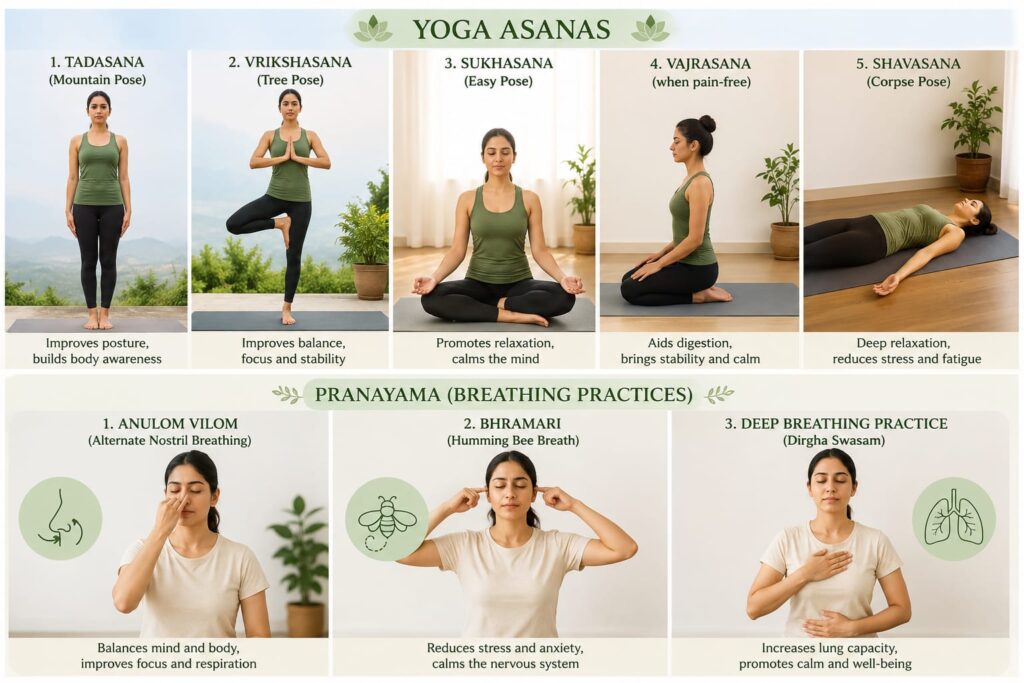
The yoga expert recommended low-impact asanas such as Tadasana (Mountain Pose), Vrikshasana (Tree Pose), Sukhasana (Easy Pose), Vajrasana (when pain-free), and Shavasana (Corpse Pose). She also highlighted the benefits of breathing exercises and pranayama techniques, including Anulom Vilom, Bhramari, and deep breathing practices, for promoting relaxation and improving respiratory efficiency.
“Yoga helps patients connect with their bodies in a safe and mindful manner. Improved balance and coordination can also reduce the risk of accidental falls and injuries, which is particularly important for individuals with hemophilia,” Aanchal noted.
She stressed that safety must remain the top priority. Patients should avoid strenuous, high-impact, or advanced postures that may strain joints or increase the risk of injury. Yoga should not be practiced during active bleeding episodes or severe joint pain, and medical consultation is essential before starting any exercise program.
Health experts agree that a comprehensive approach combining modern medical treatment, regular monitoring, healthy lifestyle choices, and safe yoga practices can empower hemophilia patients to lead healthier, more active, and self-confident lives.
“Awareness, timely treatment, and safe yoga can together help people with hemophilia achieve a better quality of life. Yoga is not just physical exercise—it is a tool for building strength, confidence, and emotional well-being,” Aanchal concluded.