
New Delhi: HL August 02, 2026
Thalassemia is emerging as a significant public health concern in the national capital, with new findings indicating that a large number of newborns carry the inherited blood disorder. According to research conducted by the Indian Council of Medical Research (ICMR), approximately one out of every 18 babies born in Delhi is a carrier of thalassemia, underlining the urgent need for widespread awareness, timely screening and preventive healthcare.
Thalassemia is an inherited condition that affects the body’s ability to produce healthy haemoglobin, the protein responsible for carrying oxygen in the blood. While carriers usually do not experience serious health problems, two carrier parents have a higher chance of having a child with Thalassemia Major, the most severe form of the disease.
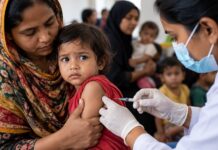
Children affected by Thalassemia Major require lifelong medical care. They often need blood transfusions every two to four weeks to maintain adequate haemoglobin levels. Frequent transfusions can result in excess iron accumulating in the body, making iron chelation therapy essential to prevent damage to vital organs such as the heart, liver and endocrine glands.
Health experts estimate that nearly 200 children with Thalassemia Major are born in Delhi every year. Many of these patients require around 30 units of blood annually, making a continuous supply of safe blood crucial for their survival. Doctors emphasize that voluntary blood donation remains one of the most important lifelines for thalassemia patients.
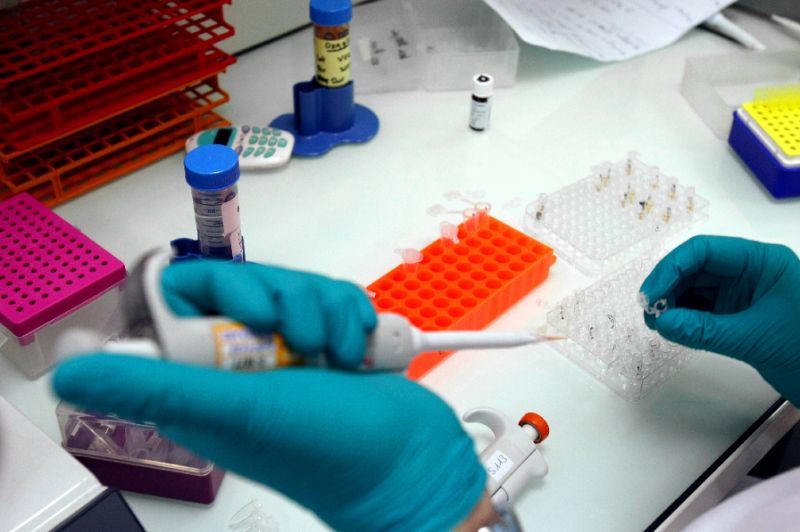
Medical professionals also stress that prevention is possible through premarital screening, genetic counselling and antenatal testing. Identifying carriers before marriage or during pregnancy can significantly reduce the number of children born with severe thalassemia. Increasing awareness among young couples and integrating routine screening into healthcare services are considered key strategies to tackle the disease.
Delhi’s major government hospitals, including AIIMS, Safdarjung Hospital, Dr. Ram Manohar Lohia Hospital, Lady Hardinge Medical College, Guru Teg Bahadur Hospital, Lok Nayak Hospital and Chacha Nehru Bal Chikitsalaya, provide treatment facilities such as regular blood transfusions, diagnostic services and iron chelation therapy for thalassemia patients.
Public health experts believe that stronger screening programmes, uninterrupted availability of medicines, regular blood donation drives and community awareness campaigns can substantially reduce the burden of thalassemia and improve the quality of life for thousands of affected families.