
New Delhi : HL August 04, 2026
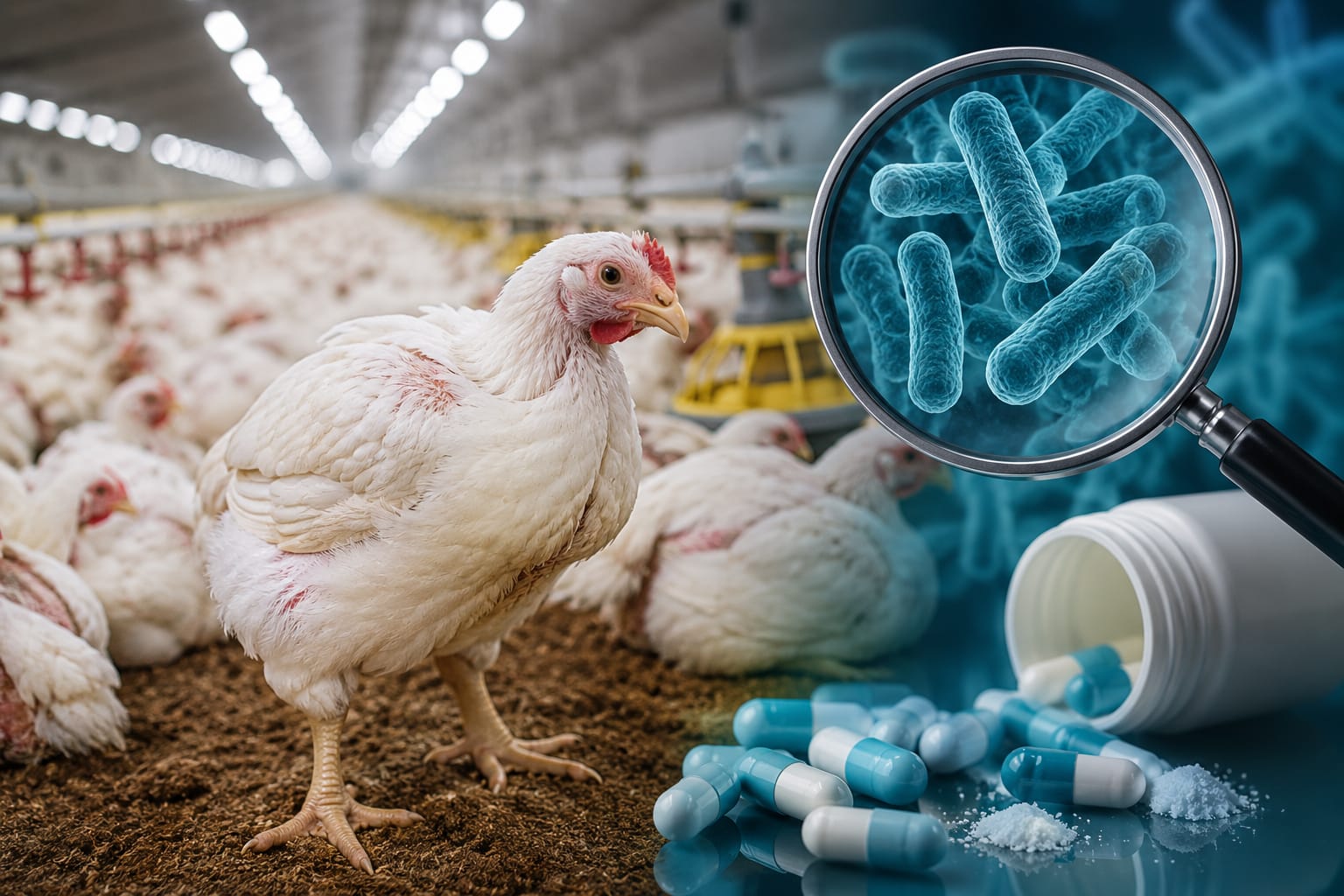
The rapid expansion of commercial poultry farming has helped meet the growing demand for affordable chicken across India and the world. At the same time, scientists, public health experts, and food safety regulators continue to study the impact of antibiotic use in poultry production and its potential role in the global challenge of antimicrobial resistance (AMR).
While modern broiler farming has significantly improved productivity, experts emphasize that responsible antibiotic use, proper animal husbandry, and strict compliance with food safety regulations are essential to protect both animal and human health.
Fast-Growing Broiler Chickens
Commercial broiler chickens are selectively bred to reach market weight much faster than traditional backyard chickens. With specialized nutrition and improved breeding practices, many broilers are ready for processing in about 35–45 days.
Although this system increases production efficiency, rapid growth can also place additional stress on the birds’ skeletal system if welfare standards are not adequately maintained. Veterinary experts recommend proper nutrition, ventilation, stocking density, and welfare management to reduce health complications.
Why Antibiotics Are Used in Poultry Farming
Antibiotics may be prescribed by veterinarians to treat or control bacterial infections in poultry flocks. In densely populated farms, disease can spread quickly if biosecurity measures are inadequate.
Wrong Practices in Poultry Farming
Some irresponsible poultry farms may engage in practices that can compromise animal welfare and food safety, including:
- Unnecessary or unsupervised use of antibiotics.
- Administering antibiotics without veterinary guidance.
- Failure to observe the mandatory antibiotic withdrawal period before slaughter.
- Overcrowded housing that increases disease transmission.
- Poor hygiene and inadequate biosecurity measures.
- Excessive reliance on antibiotics instead of proper farm management.
These practices can contribute to the development of Antimicrobial Resistance (AMR), making bacterial infections harder to treat in both animals and humans. Responsible poultry farming emphasizes veterinary supervision, vaccination, biosecurity, good nutrition, and compliance with food safety regulations.
Responsible poultry management focuses on:
- Veterinary-supervised antibiotic treatment only when necessary.
- Improved hygiene and biosecurity.
- Vaccination programmes.
- Better housing and ventilation.
- Good nutrition and clean drinking water.
Many countries, including India, are strengthening regulations to discourage the misuse of antibiotics for routine growth promotion.
Importance of Withdrawal Periods
Food safety regulations require farmers to observe a mandatory withdrawal period after administering approved antibiotics. This interval allows medicine residues to decline before birds enter the food supply.
Failure to follow these prescribed timelines can increase the risk of antibiotic residues remaining in meat. Regulatory agencies conduct surveillance and testing to ensure compliance with established food safety standards.
Understanding Antimicrobial Resistance (AMR)
Antimicrobial Resistance occurs when bacteria evolve and become less responsive to medicines that previously killed them.
Health experts consider AMR one of the most significant global public health challenges because resistant bacteria can make common infections harder to treat. The development of AMR is influenced by multiple factors, including inappropriate antibiotic use in humans, animals, and agriculture.
Reducing unnecessary antibiotic use across all sectors, along with strong surveillance and responsible prescribing practices, is considered essential for slowing the spread of resistance.
Safe Consumption Practices
Consumers can reduce food safety risks by following good kitchen hygiene:
- Cook chicken thoroughly to the recommended internal temperature.
- Avoid cross-contamination between raw meat and ready-to-eat foods.
- Wash hands, utensils, and cutting boards after handling raw poultry.
- Purchase meat from reliable and licensed vendors.
Diversifying Protein Sources
Nutrition experts also encourage including a variety of protein sources in the diet. Pulses, lentils, beans, chickpeas, soy products, dairy, eggs, nuts, and seeds provide valuable nutrients while supporting dietary diversity.
A balanced diet containing both animal and plant-based proteins can help meet nutritional requirements and promote long-term health.