
New Delhi : HL July 28, 2026
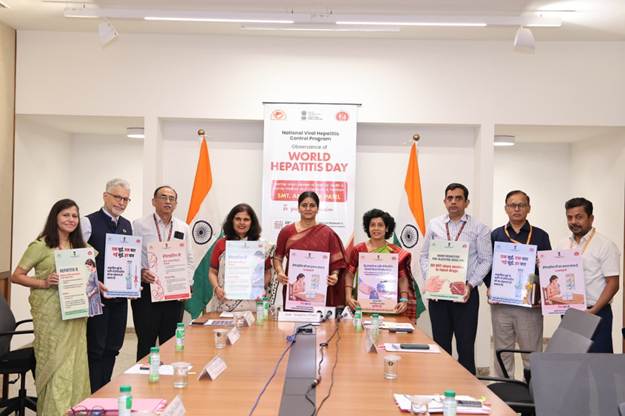
Reinforcing its commitment to eliminate viral hepatitis as a public health threat by 2030, the Union Ministry of Health and Family Welfare observed World Hepatitis Day 2026 on Tuesday and celebrated eight years of the National Viral Hepatitis Control Programme (NVHCP). The event, organised under the global theme “Hepatitis: Let’s Break It Down”, highlighted the country’s progress in prevention, screening, diagnosis and treatment of Hepatitis B and Hepatitis C.
Union Minister of State for Health and Family Welfare, Anupriya Patel, called for a united effort by the Centre, States and healthcare stakeholders to build a “Hepatitis-Mukt Bharat.” She said India is among the few nations that provide free treatment for Hepatitis C and free management services for Hepatitis B, ensuring that patients receive quality care without financial burden.
The Minister noted that access to hepatitis services has expanded significantly through more than 1.85 lakh Ayushman Arogya Mandirs, bringing screening and treatment closer to communities. She also highlighted that the cost of medicines has reduced substantially while diagnostic facilities have become more widely available.
Focusing on prevention, Patel said the Hepatitis B birth-dose vaccination coverage has crossed 92 percent under the Universal Immunisation Programme. However, she urged all States and Union Territories to achieve 100 percent screening of pregnant women for Hepatitis B so that newborns of infected mothers can receive timely protection through vaccination and Hepatitis B Immunoglobulin (HBIG) within the first 24 hours of birth.
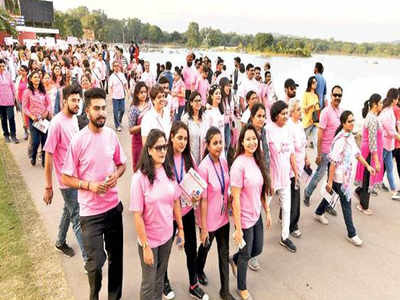
Describing Hepatitis B and Hepatitis C as “silent killers”, she stressed the need to create greater public awareness, vaccinate healthcare workers and strengthen screening among high-risk groups to reduce liver disease and liver cancer linked to viral hepatitis.
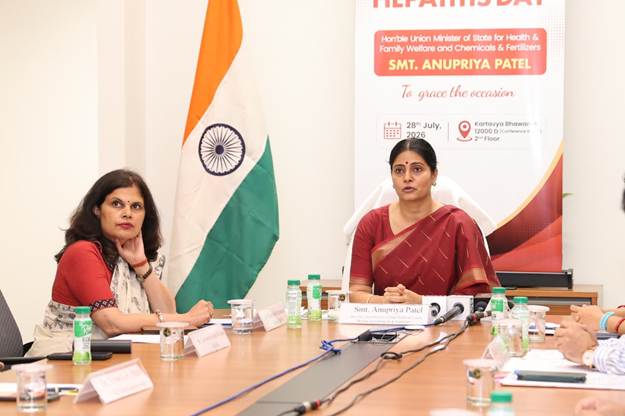
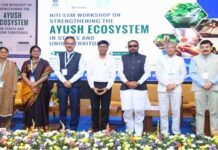
Union Minister of State for Health and Family Welfare, Anupriya Patel and Union Health Secretary Punya Salila Srivastava (L)
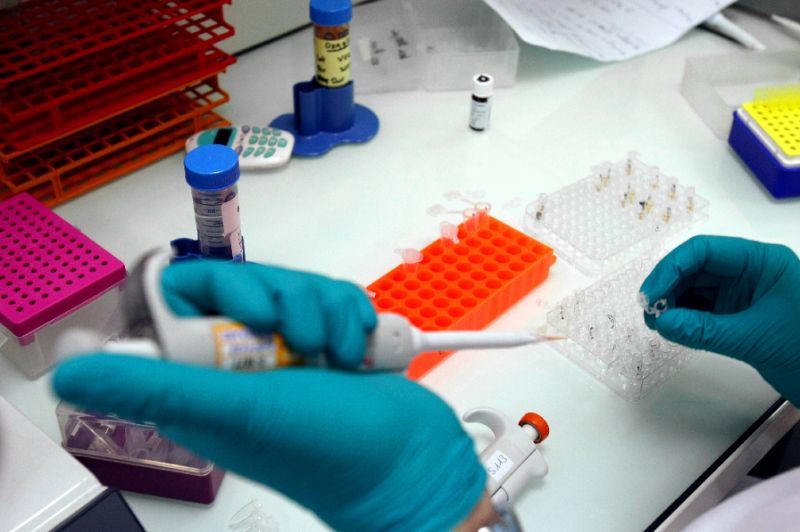
Sharing the programme’s achievements, Union Health Secretary Punya Salila Srivastava said that over 21 crore people have been screened and more than six lakh patients have received free treatment under the NVHCP. She added that the country now has 1,153 hepatitis treatment centres, including more than 70 specialised facilities offering advanced care.
She further informed that 7.64 crore pregnant women have been screened under the programme, while 2.24 lakh newborns born to Hepatitis B-positive mothers have received HBIG to prevent mother-to-child transmission. She emphasised better patient tracking through the programme’s digital case management system integrated with the Ayushman Bharat Digital Mission.
Additional Secretary and NHM Mission Director Aradhana Patnaik said the programme is being implemented in coordination with the Reproductive and Child Health Programme and the National AIDS Control Programme, enabling wider outreach to vulnerable populations and improving early detection and treatment services.
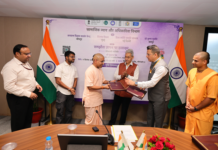
During the event, the Ministry also released new Information, Education and Communication (IEC) materials on Hepatitis B and Hepatitis C to spread awareness about disease transmission, prevention, testing and treatment services available under the National Viral Hepatitis Control Programme.
With sustained investment in vaccination, screening and free treatment, the Centre reaffirmed its resolve to eliminate viral hepatitis as a public health threat and achieve the national target by 2030.
The Director General of Health Services (DGHS), Dr. Lavneet Gopal Krishna; Joint Secretary, National Viral Hepatitis Control Programme (NVHCP), Shri Nikhil Gajraj; WHO Representative to India, Dr. Yvan J.-F. Hutin; Deputy Commissioner, NVHCP, Dr. Sandhya Kabra; Additional Chief Secretaries (Health) and senior officers of the Ministry were also present on the occasion. The event was also attended virtually by Principal Secretaries (Health), Mission Directors from States and Union Territories, programme officers, experts and other stakeholders.